Datasensing DATAVS2 Series
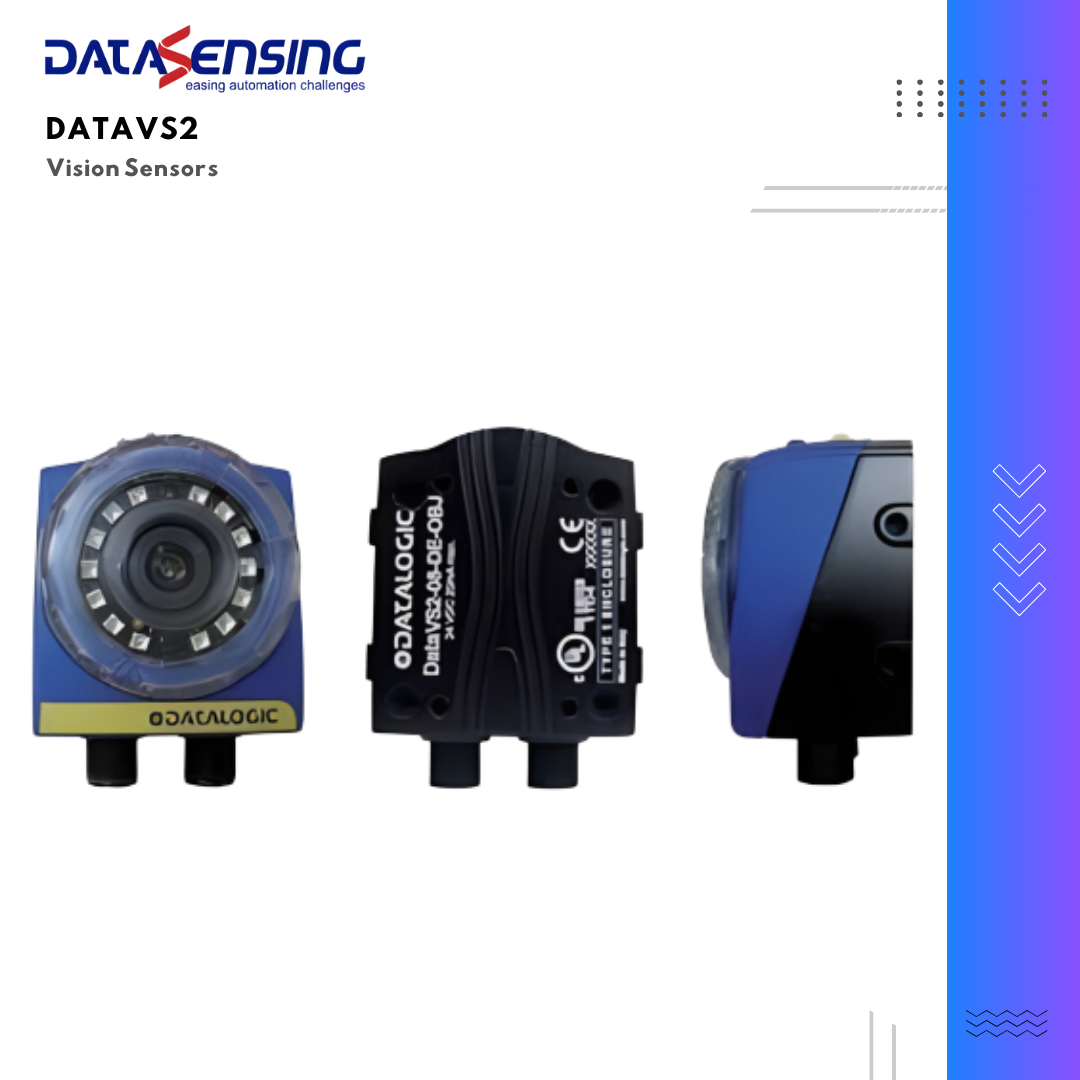
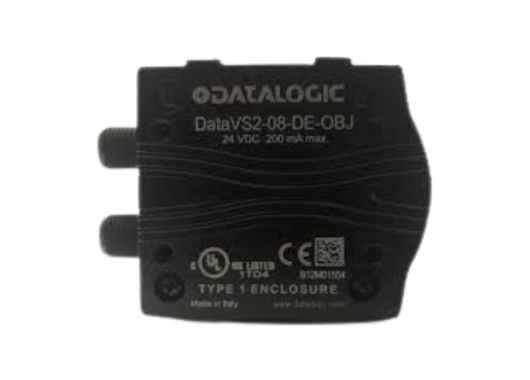
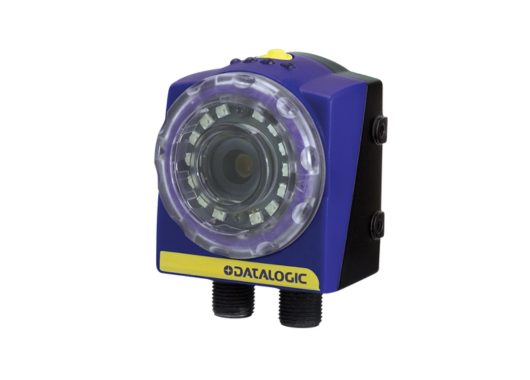
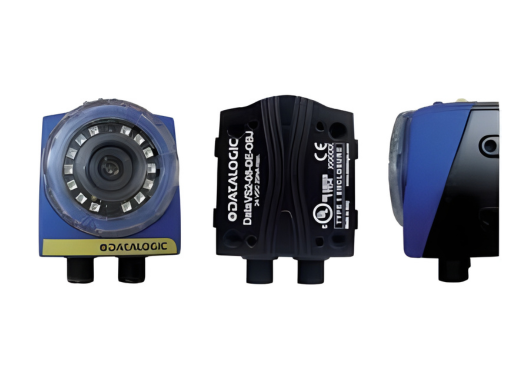
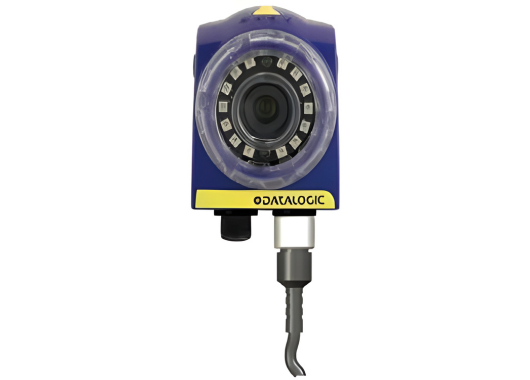
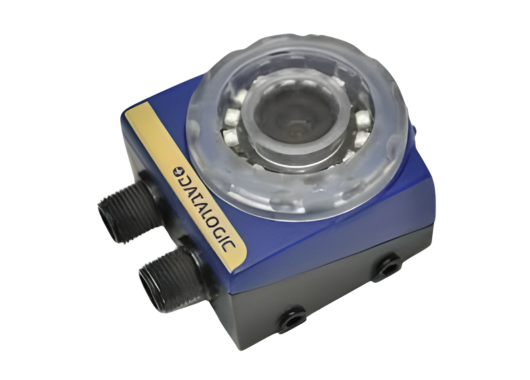
The DATAVS2 Series offers a versatile family of embedded vision sensors, engineered for intuitive configuration, broad inspection capabilities, and industrial reliability. The sensors integrate optics, LED illumination, electronics and connectivity in a compact housing and are supplied with configuration software, enabling machine vision functionality without the complexity of a full vision system.
Design & Functionality
- The DATAVS2 sensors feature a compact block-style housing (dimensions approx. 52 Γ 60 Γ 40 mm) including optics, red LED illuminator and electronics β designed to simplify installation in automation frames and keep footprint small.
- Setup and configuration are made easy via PC software through Ethernet, offering guided configuration and memory for up to 20 inspections.
- Inspection modes include a wide selection of control tools: brightness, contrast, position, width, count, pattern match, 360Β° contour match (in Pro models), barcode/Datamatrix/OCV, logical operators (AND/OR/NOT/NAND/NOR) and a TURBO mode to double processing speed β delivering multiple functionalities in one device.
- Output interface options include multiple PNP outputs, Ethernet connectivity (and in some ID models RS-232) β enabling integration with PLCs, automation systems and networked control.
- The series is available in versions for object recognition (OBJ), advanced object recognition (AOR), identification (ID) and professional (PRO) β giving you the right level of inspection power for your application.
Total Crossed Beams
(In this context, the term βTotal Crossed Beamsβ is interpreted as the sensor delivering complete, reliable inspection/vision coverage across the target zone rather than literal crossed optical beams.)
- The DATAVS2 ensures a stable inspection field, even on moving conveyors or varying target orientations β helping minimise missed faults and improve repeatability in production lines.
- Its embedded vision capability in a compact housing means you achieve machine-vision level inspection without the footprint of full vision setups β reducing mechanical footprint and simplifying integration.
Beam Pitch Options
(Here interpreted as variant options for inspection/optics rather than literal beam spacing.)
- Example: Object-recognition model (OBJ) designed for basic recognition tasks at nominal distance 500 mm.
- Example: Identification (ID) model capable of barcode/Datamatrix/OCV with 12 mm lens variant.
- Example: Advanced Object Recognition (AOR) or Professional (PRO) models featuring 6 mm lens variant and 360Β° contour match support.
- These variant options allow you to select a DATAVS2 sensor that matches your target image size, field of view, inspection complexity and connectivity β delivering design flexibility.
Intrinsic Synchronism
- The optics, illumination, electronics and communication are fully integrated in the housing β no external camera, lens, lighting, frame-grabber or PC required β simplifying wiring, mechanical design and commissioning.
- With built-in Ethernet connectivity, selectable functions, memory for inspections and guided software setup, commissioning time is reduced and maintenance is simplified β ideal for production line integration.
Operational Advantages
- Embedded vision in compact form: The DATAVS2 Series brings powerful vision and ID functions into a compact sensor format rather than bulky standalone vision systems.
- Versatile inspection capability: With support for object/fault recognition, barcode/Datamatrix reading and multiple control tools, the series covers a wide spectrum of industrial inspection tasks.
- Easy integration: Ethernet connectivity, PNP outputs, teach/GUI setup, and memory for repeated inspections make the sensors automation-ready.
- Industrial robustness: Compact, robust housing, standard industrial connectivity and guided configuration make the DATAVS2 suitable for packaging, manufacturing, conveyor inspection and quality-control environments.
- Applications: Ideal for packaging inspection (logo presence, print control, product completeness), bottle/can production (fill-level, orientation), barcode/Datamatrix reading on fast lines, electronics manufacturing (component presence/absence, orientation) and any system requiring compact vision integration, flexible inspection functionality, and reliable performance.