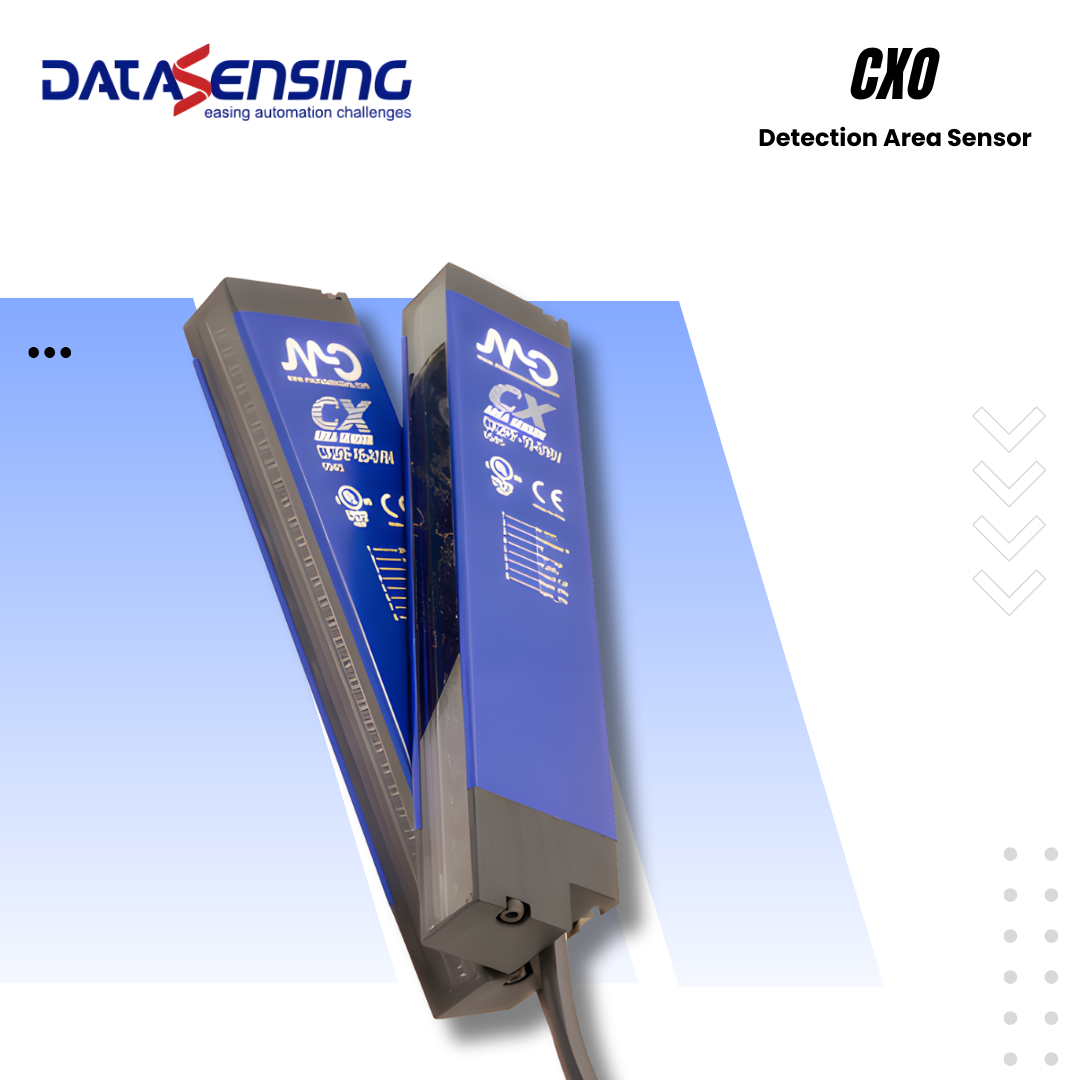
Datasensing CX0 Series
The Datasensing CX0 Series consists of slim area sensors des...

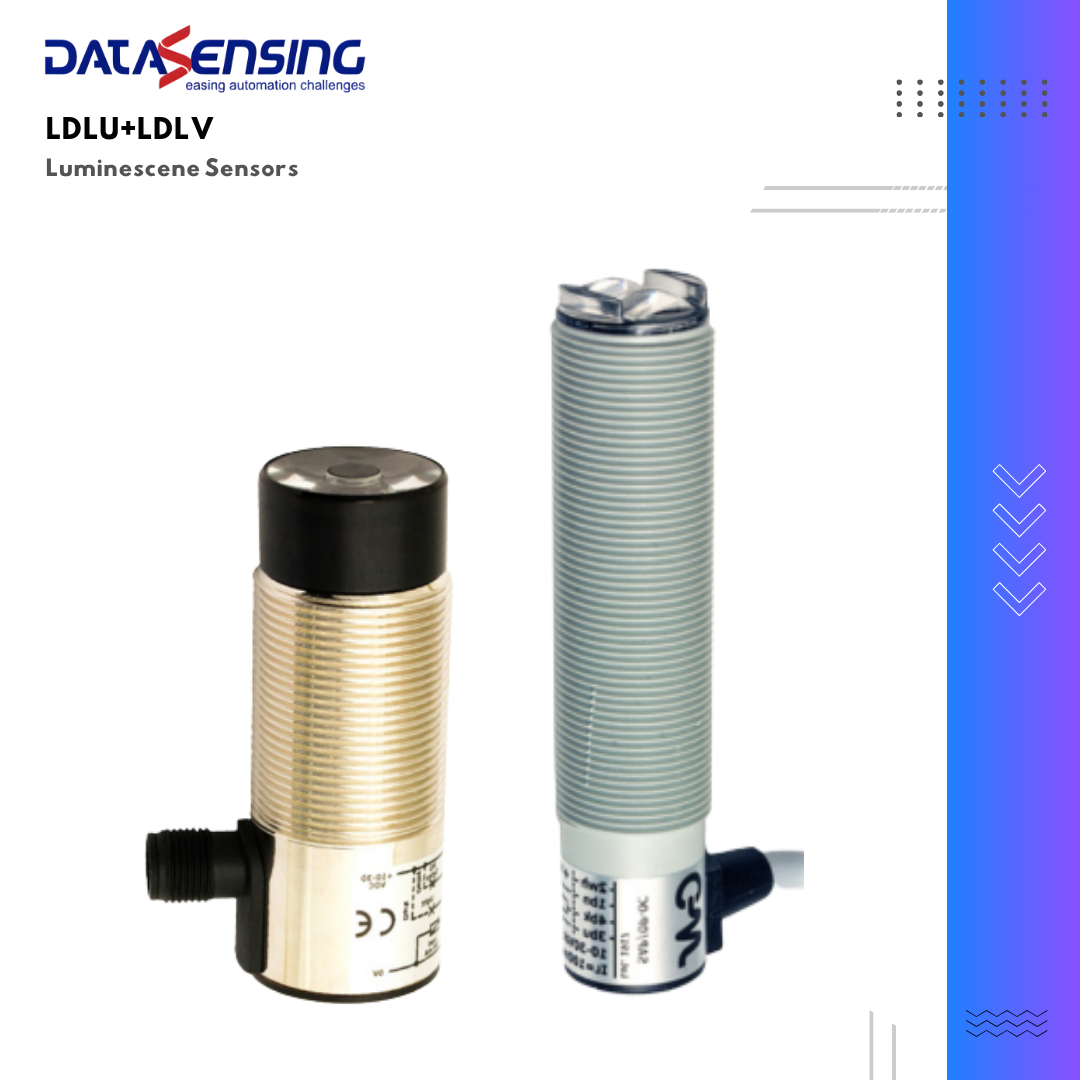
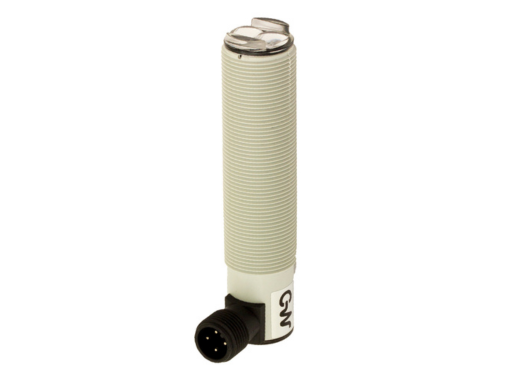
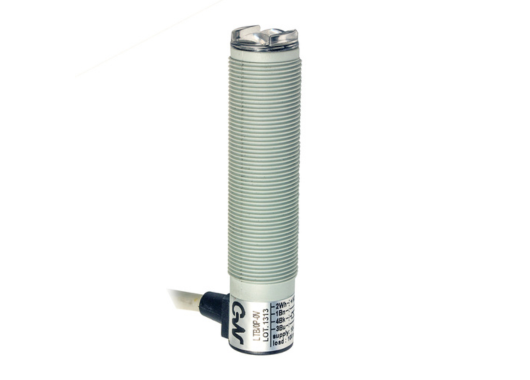
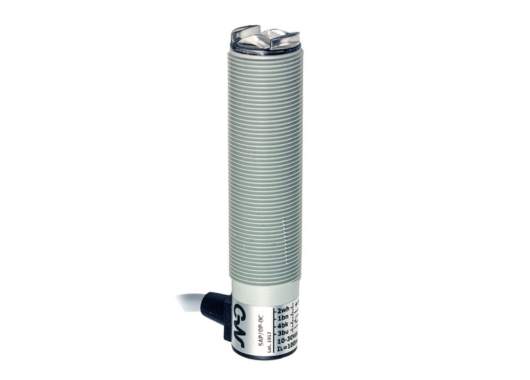
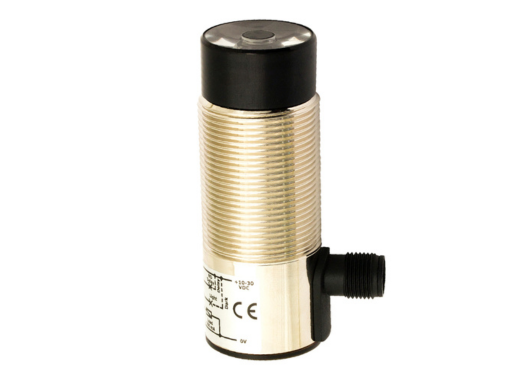
The LDLU + LDLV Series provides a specialized range of luminescence scanners engineered for fluorescent-target detection, in two compact industrial formats (M18 and M30). With models offering dual emission (white/UV), local or remote Teach-in, selectable Light-On/Dark-On outputs, and ultra-fast switching, this series delivers high-precision detection, rapid response, and industrial-grade performance in challenging automation scenarios.
(In this luminescence-sensor context, the “total crossed beams” concept refers to ensuring a stable and reliable detection signal path across the target area rather than literal optical beams.)
(Here interpreted as selectable sensing-distance/focal-variants rather than literal beam spacing.)
Parameter | LDLU Series (M18, ~12/25 mm Sn Models) | LDLV Series (M30, ~30 mm Sn Models) |
|---|---|---|
| Product Line | LDLU | LDLV |
| Function | Luminescence Scanner, M18 cylindrical housing, UV/white-light emission | Luminescence Scanner, M30 cylindrical housing, UV emission |
| Nominal Sensing Distance (Sn) | ~12 mm (with STF-12) or ~25 mm (with SFT-25) for fluorescent targets | ~30 mm for fluorescent targets |
| Spot Dimension | Ø 1 mm (STF-12) / Ø 0.8 mm (SFT-25) | ~3 × 1 mm at 30 mm Sn |
| Operating Voltage | 10…30 V DC | 10…30 V DC |
| No-Load Supply Current | ≤ 40 mA | ≤ 20 mA |
| Load Current Max | ≤ 100 mA | ≤ 100 mA |
| Leakage Current (No Target) | ≤ 10 µA | ≤ 10 µA |
| Output Voltage Drop (Iload=100 mA) | ≤ 1.2 V | ≤ 1.4 V |
| Switching Frequency / Response Time | Up to 10 kHz / ~50 µs | ~400 Hz / ~1.1 ms |
| Time Before Availability (Startup) | ≤ 200 ms | ≤ 200 ms |
| Protection Rating (IP) | IP65 | IP65 |
| Housing / Mounting | M18 plastic housing (PBT) | M30 metal / nickel-plated brass |
| Operating Temperature | -5 °C … +55 °C (without freeze) | -5 °C … +55 °C |
You may also like similar items from this category
The Datasensing CX0 Series consists of slim area sensors des...
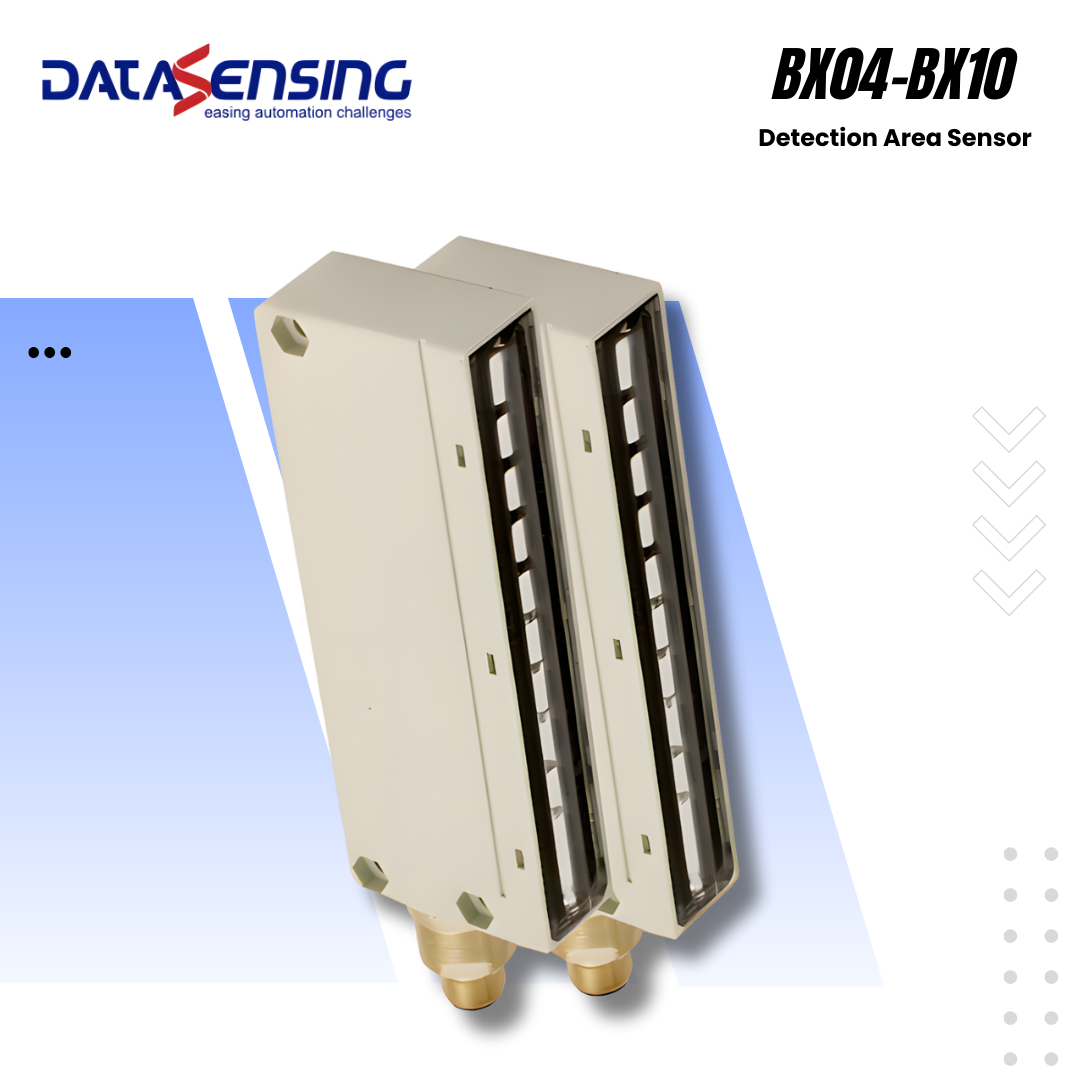
The Datasensing BX04-BX10 Series comprises compact crossed-b...
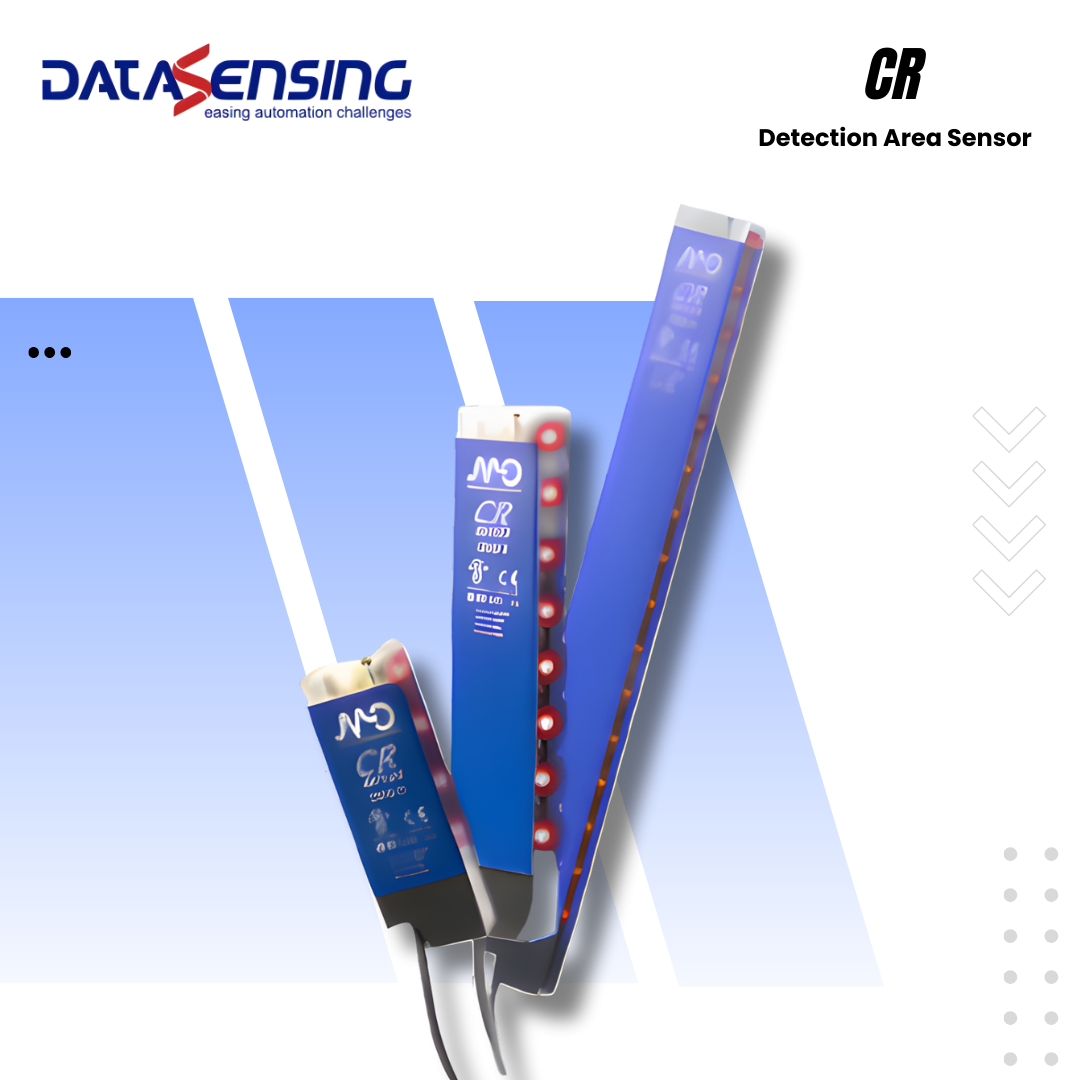
The Datasensing CR Series are polarized retro-reflective are...
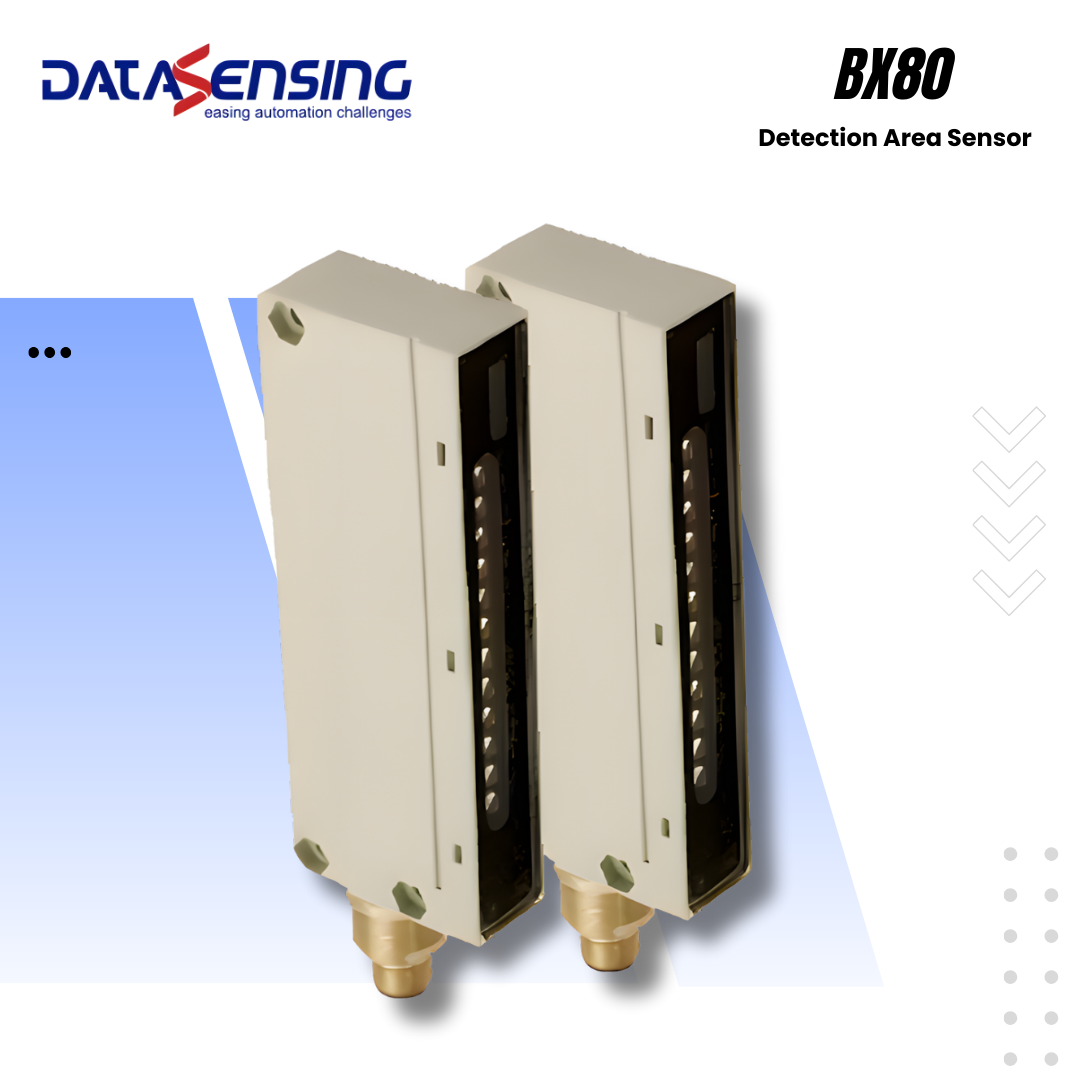
The BX80 Series are high-resolution crossed-beam area sensor...
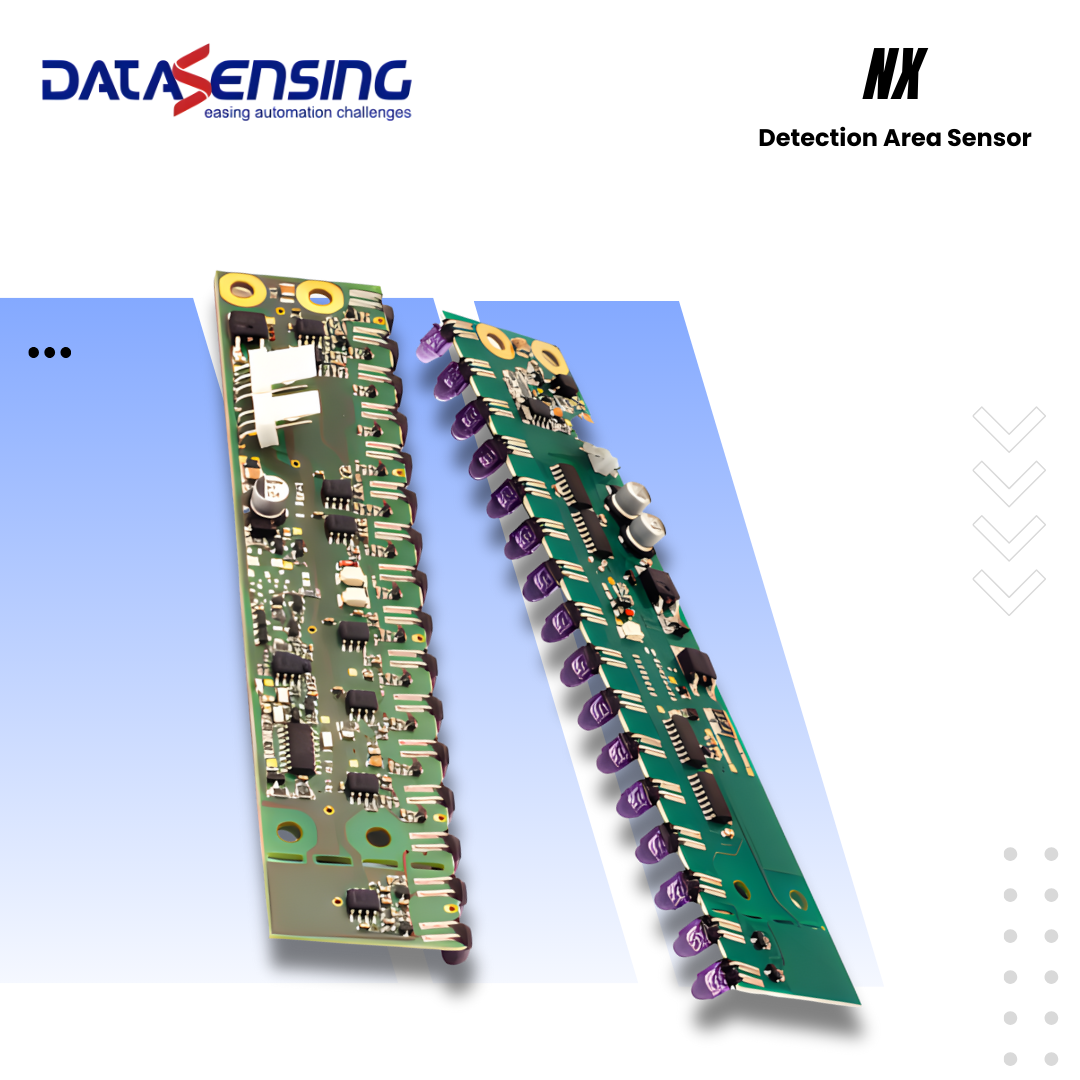
The NX Series are compact, medium-resolution crossed-beam ar...
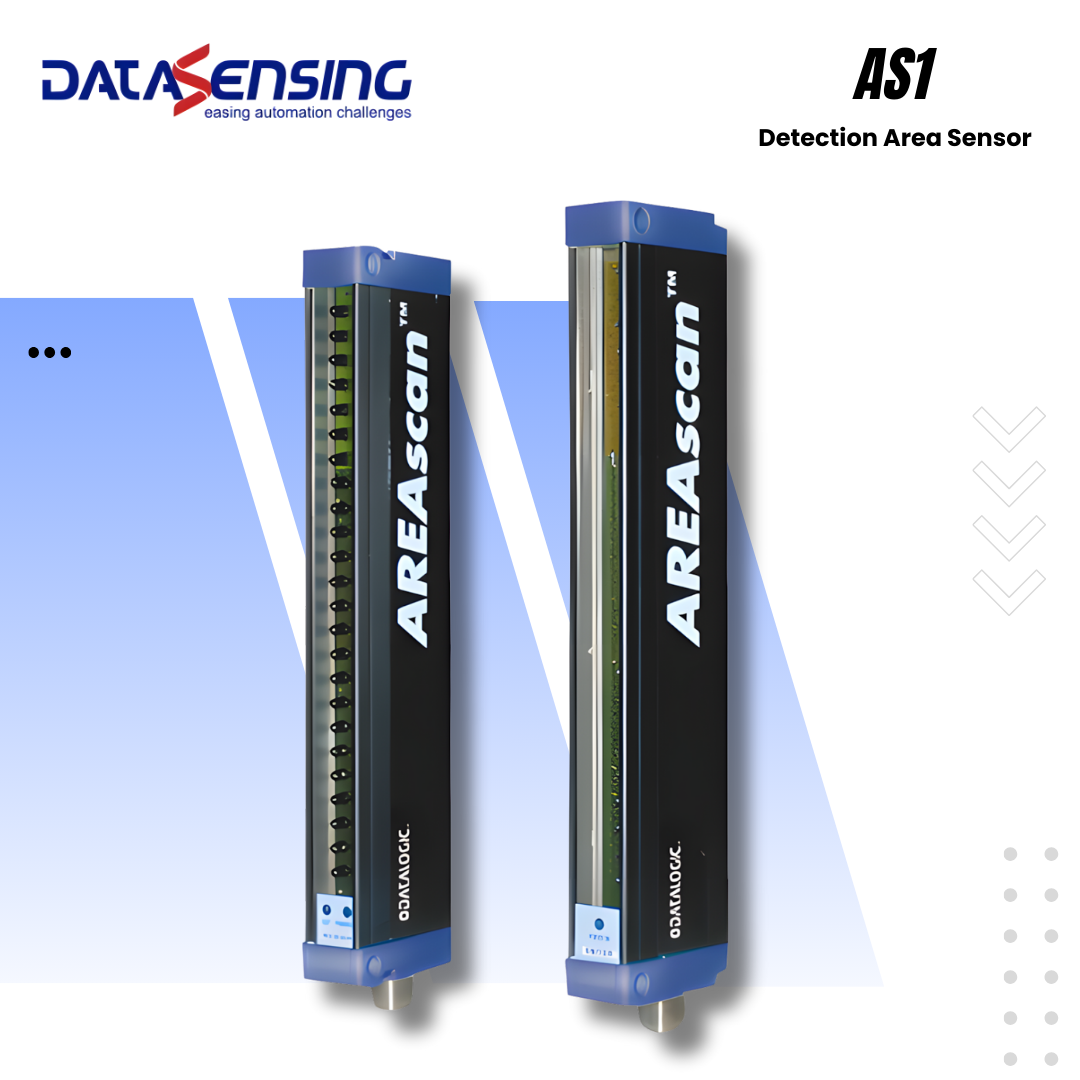
The AS1 Series are compact crossed-beam area sensors with a...
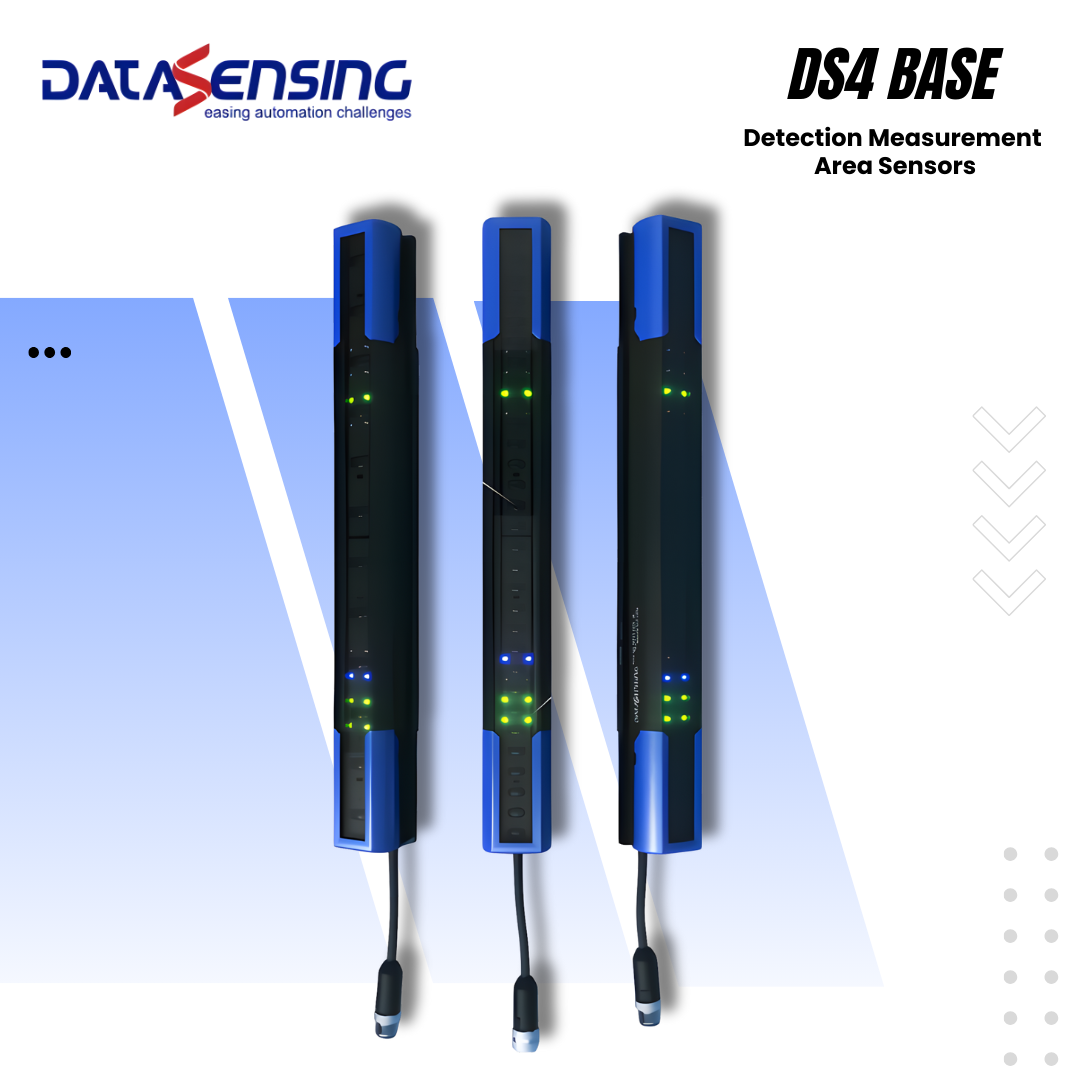
The DS4 Base Series are basic yet high-performance detection...
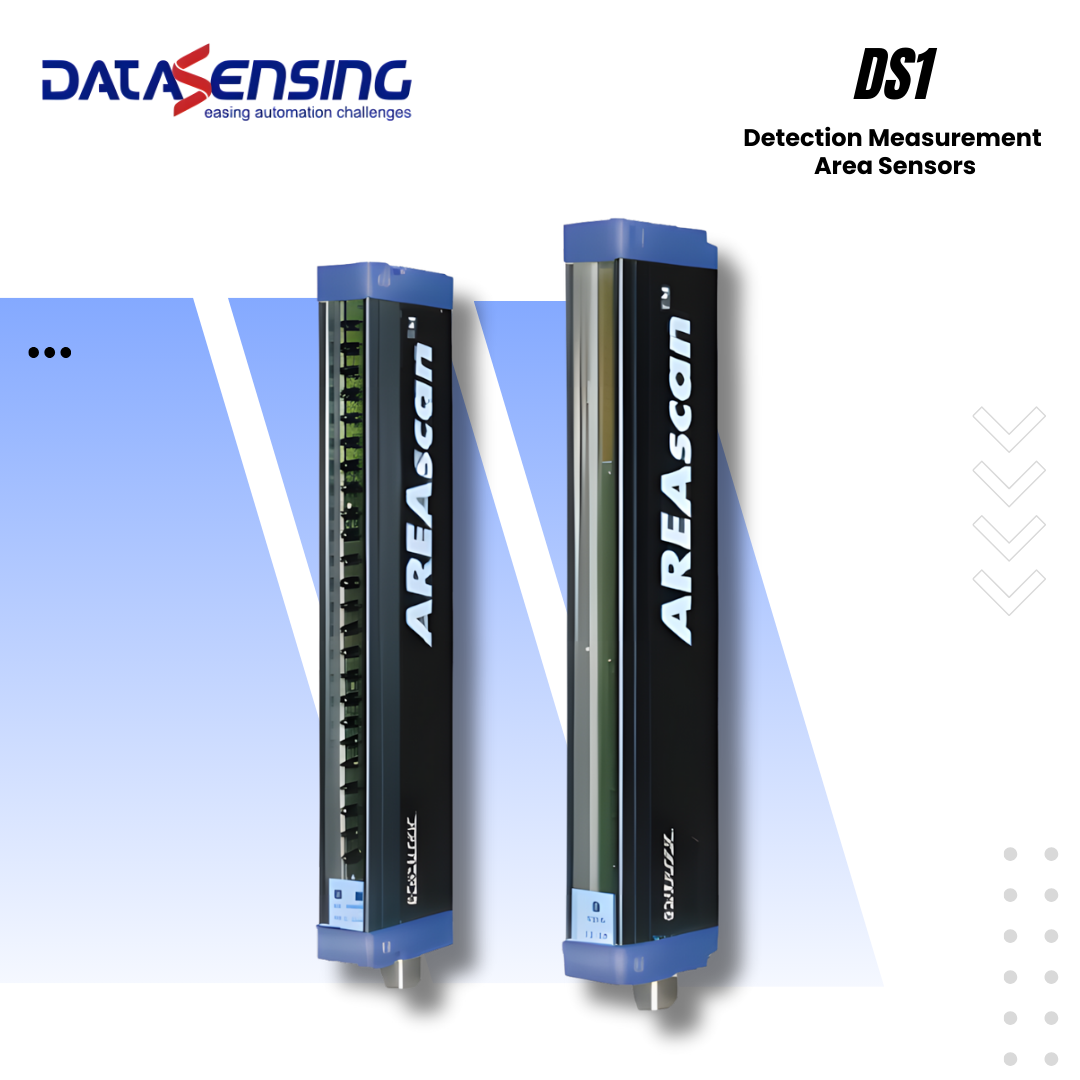
The DS1 Series are slim multi-beam detection and measurement...