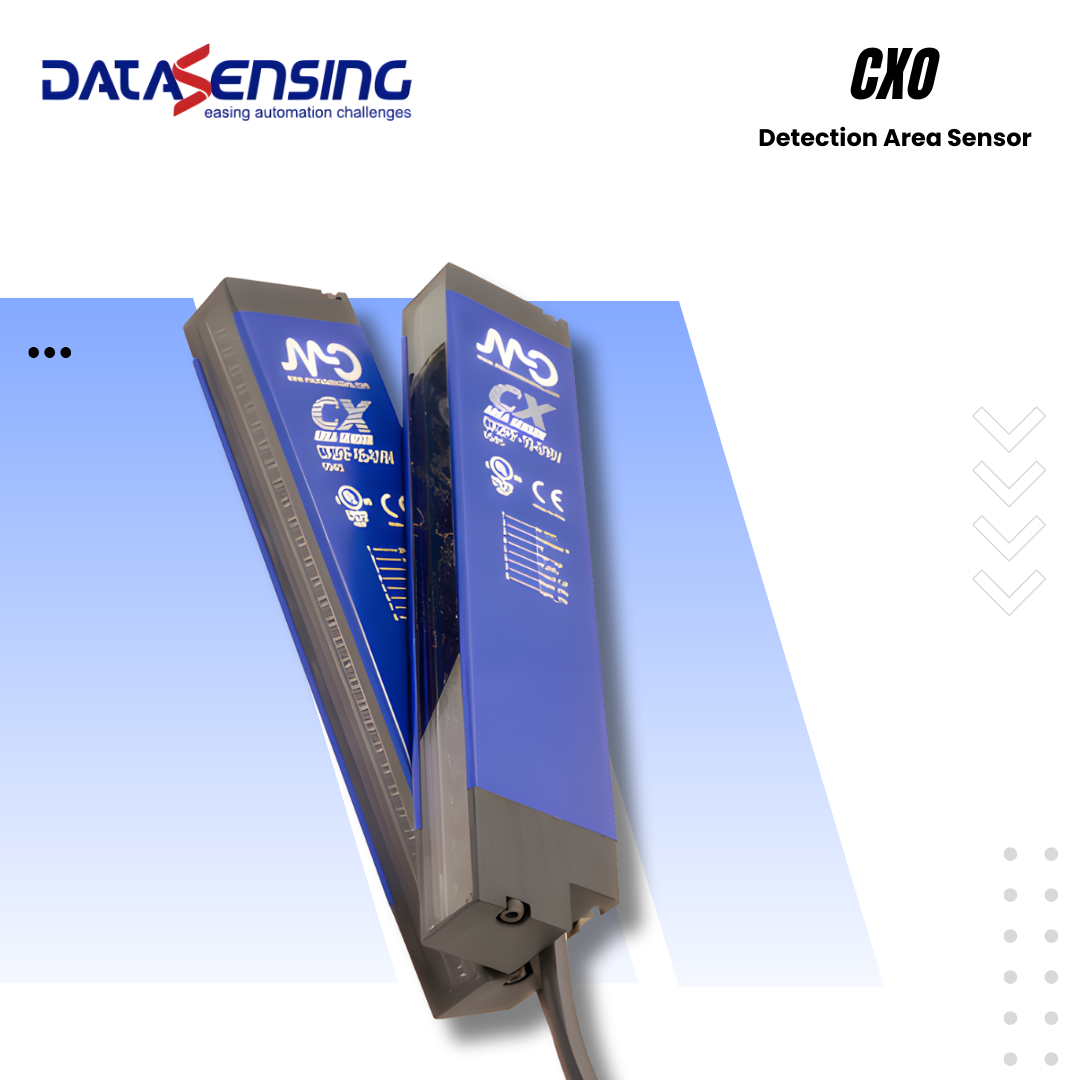
Datasensing CX0 Series
The Datasensing CX0 Series consists of slim area sensors des...

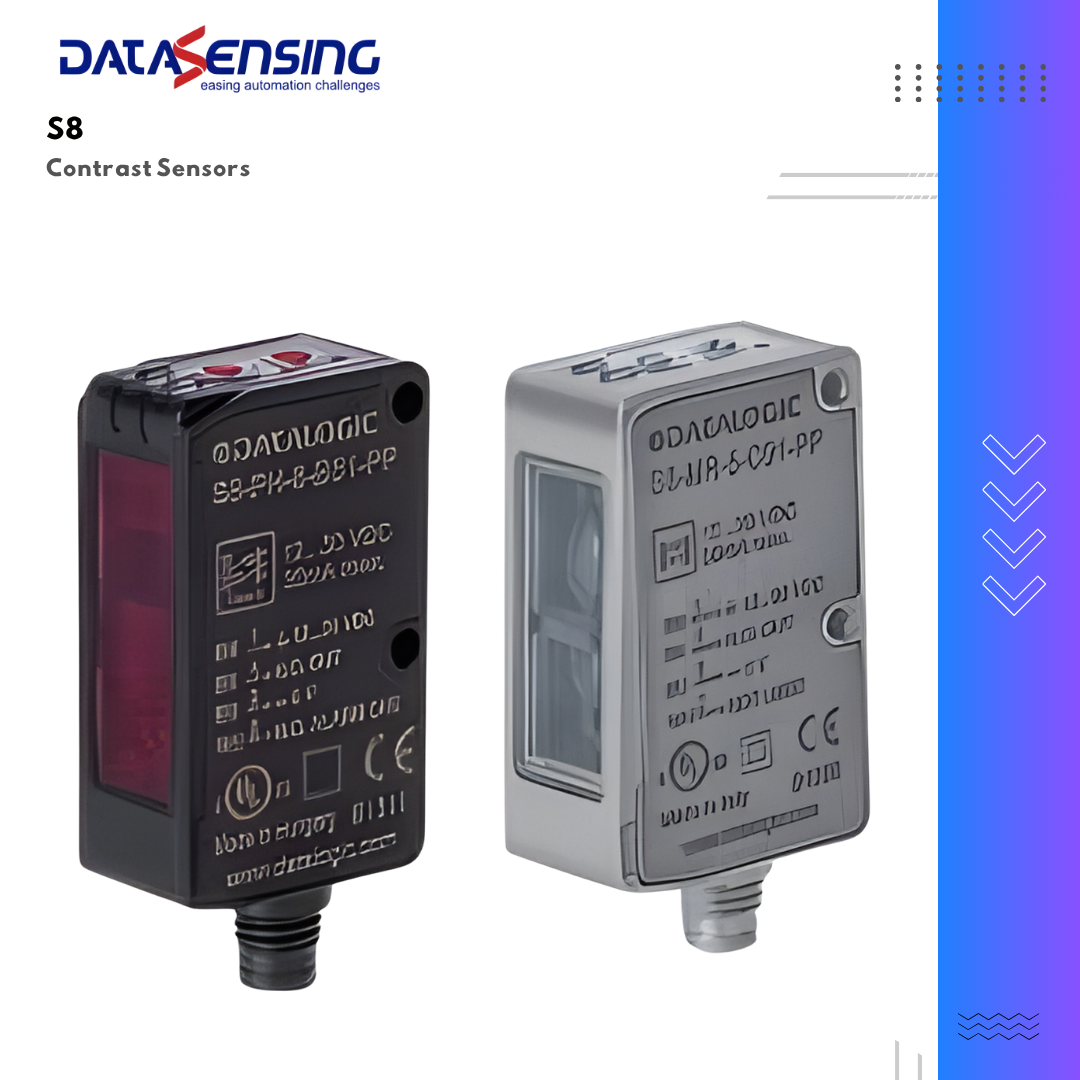
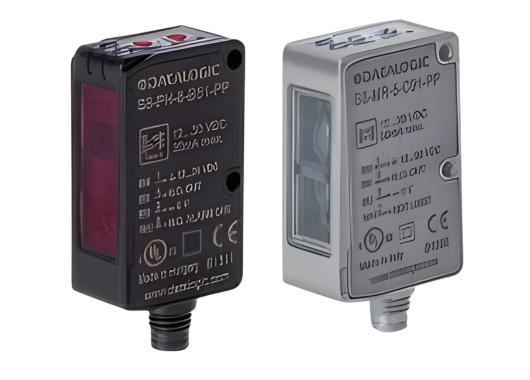
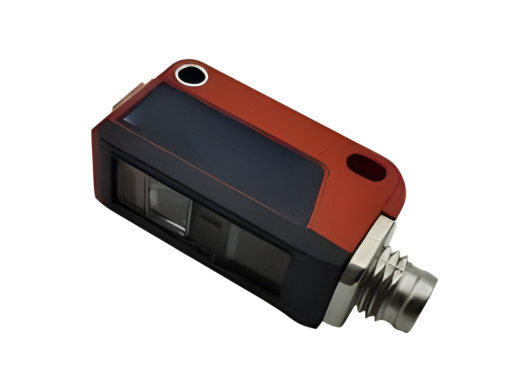
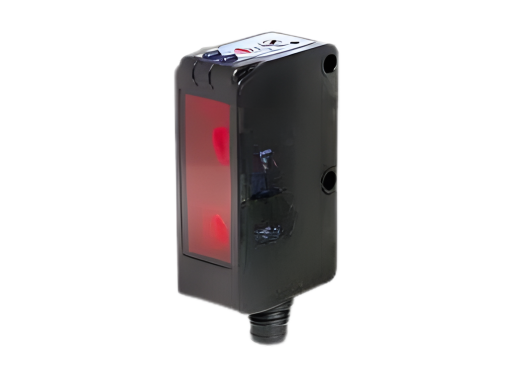
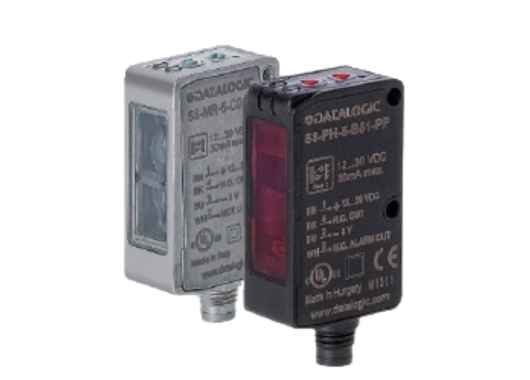
The S8 Series delivers a premium family of compact cubic photo-electric sensors, engineered for tight-space installation, versatile optical modes, and industry-grade reliability. With optical variants covering background suppression on transparent materials, high-resolution contrast detection, laser-spot precision and stainless-steel wash-down ruggedness, the series provides exceptional flexibility, superior detection of difficult targets, and robust performance in harsh or hygienic environments.
(In this context, this term is used to indicate that the sensor delivers consistent detection coverage across its sensing field rather than literal crossed optical beams.)
(Here interpreted as variant options for sensing distance / optical mode rather than literal beam spacing.)
Parameter | S8 Series Typical Compact Mode (e.g., Contrast / Proximity) | S8 Series Typical Long-Span Mode (e.g., Through-Beam / Retro-Reflective / Laser) |
|---|---|---|
| Product Line | S8 | S8 |
| Function | Compact photo-electric sensor – Contrast, Background Suppression, Proximity | Compact photo-electric sensor – Through-Beam, Retro-Reflective, Laser |
| Nominal Sensing Distance (Sn) | Example: ~10 mm (Contrast mode) | Up to ~25 m (Through-Beam) or ~0.1…5 m (Polarised Retro) and 50…300 mm (Background suppression) |
| Operating Voltage | 12…30 V DC | 12…30 V DC |
| No-Load Supply Current | ≤ 30-35 mA typical | ≤ 40 mA (for laser mode) |
| Load Current Max | ≤ 100 mA typical | ≤ 100 mA |
| Switching Frequency / Response Time | Up to ~25 kHz (Contrast W13 models) | Response times ~0.1-1 ms depending on variant |
| Protection Rating (IP) | IP67 for plastic housing, IP69K for stainless version | IP67/IP69K depending on housing |
| Housing / Mounting Dimensions | Approx. 14 × 42 × 25 mm housing | Same compact footprint |
| Operating Temperature Range | –25 °C … +55 °C typical (storage up to +70 °C) | Similar range |
You may also like similar items from this category
The Datasensing CX0 Series consists of slim area sensors des...
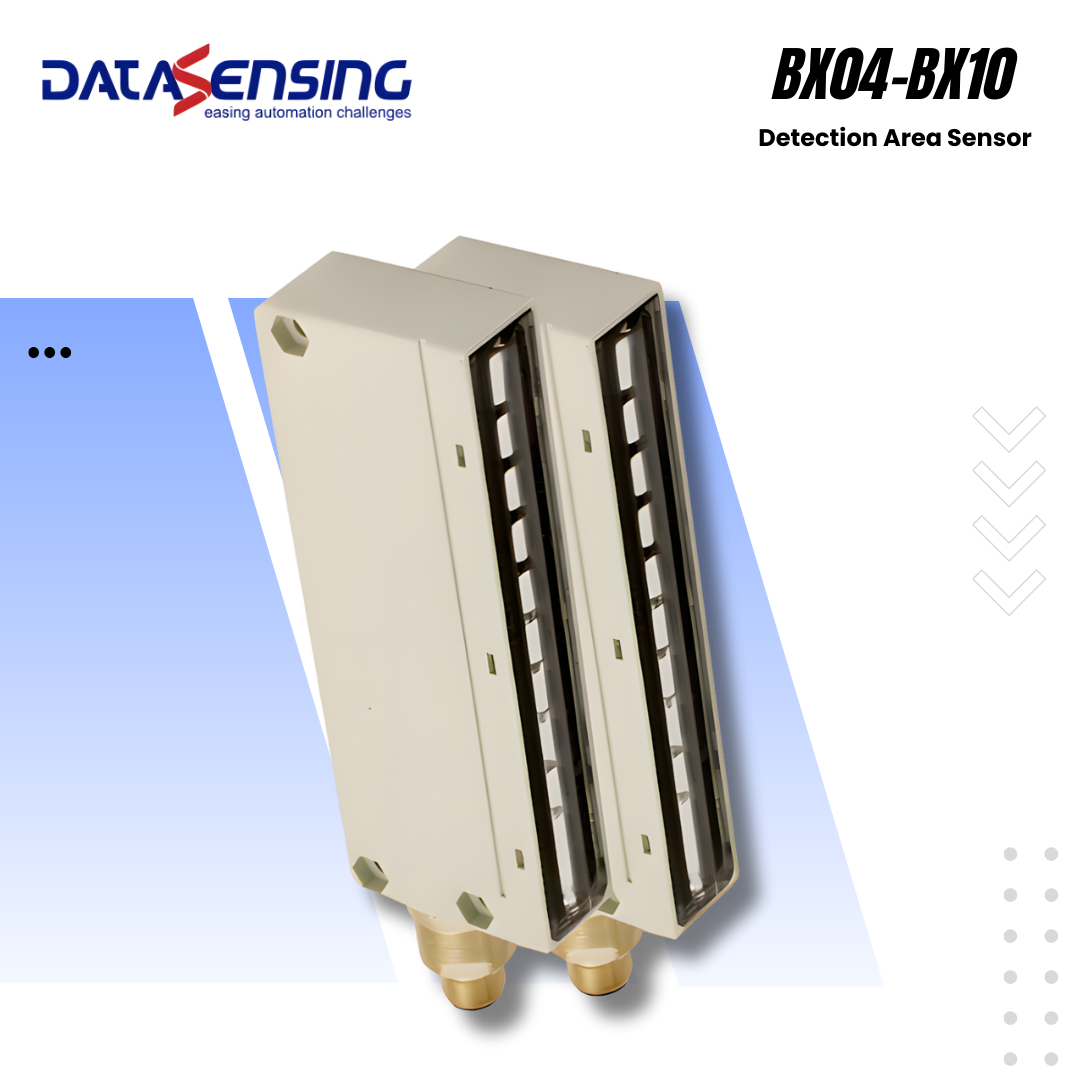
The Datasensing BX04-BX10 Series comprises compact crossed-b...
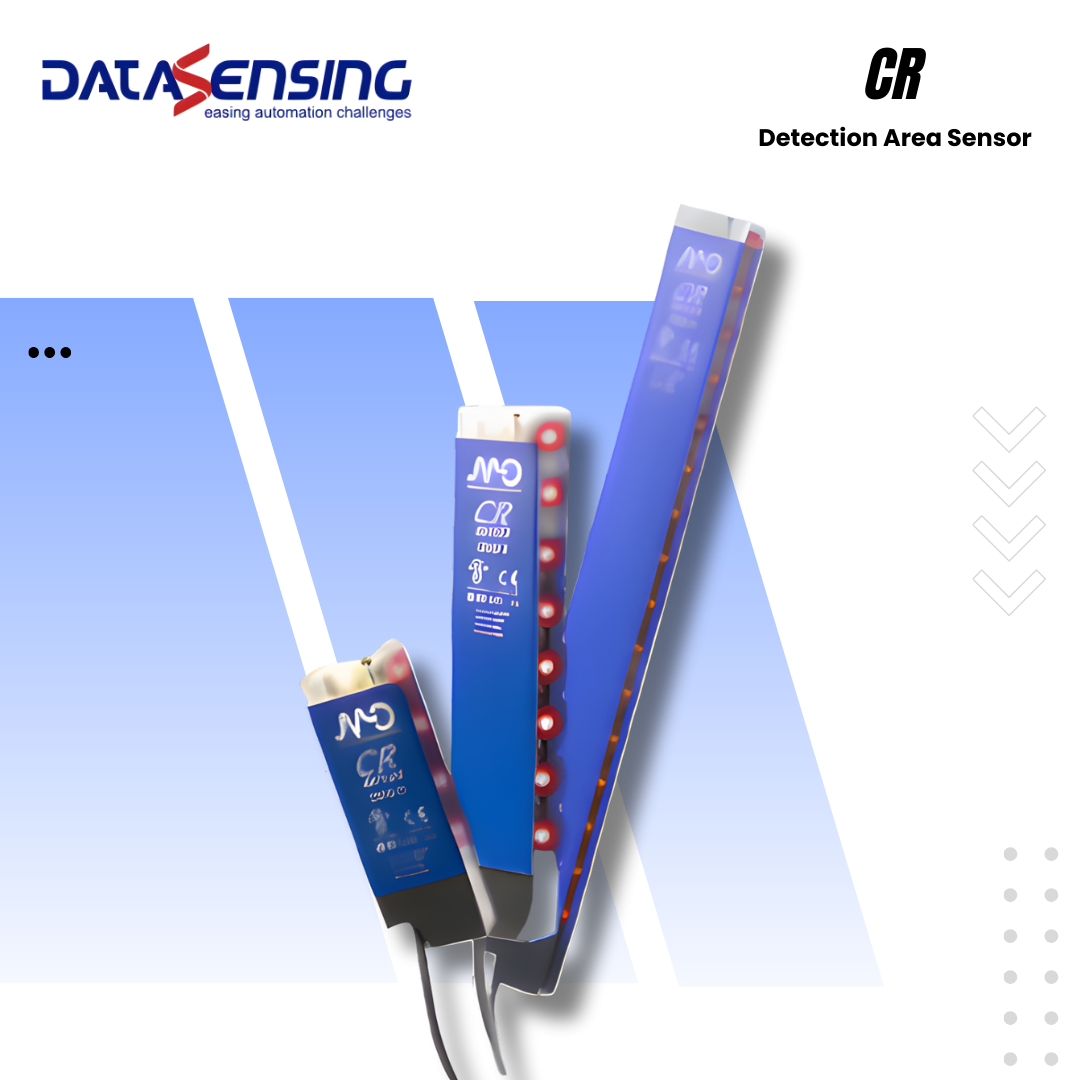
The Datasensing CR Series are polarized retro-reflective are...
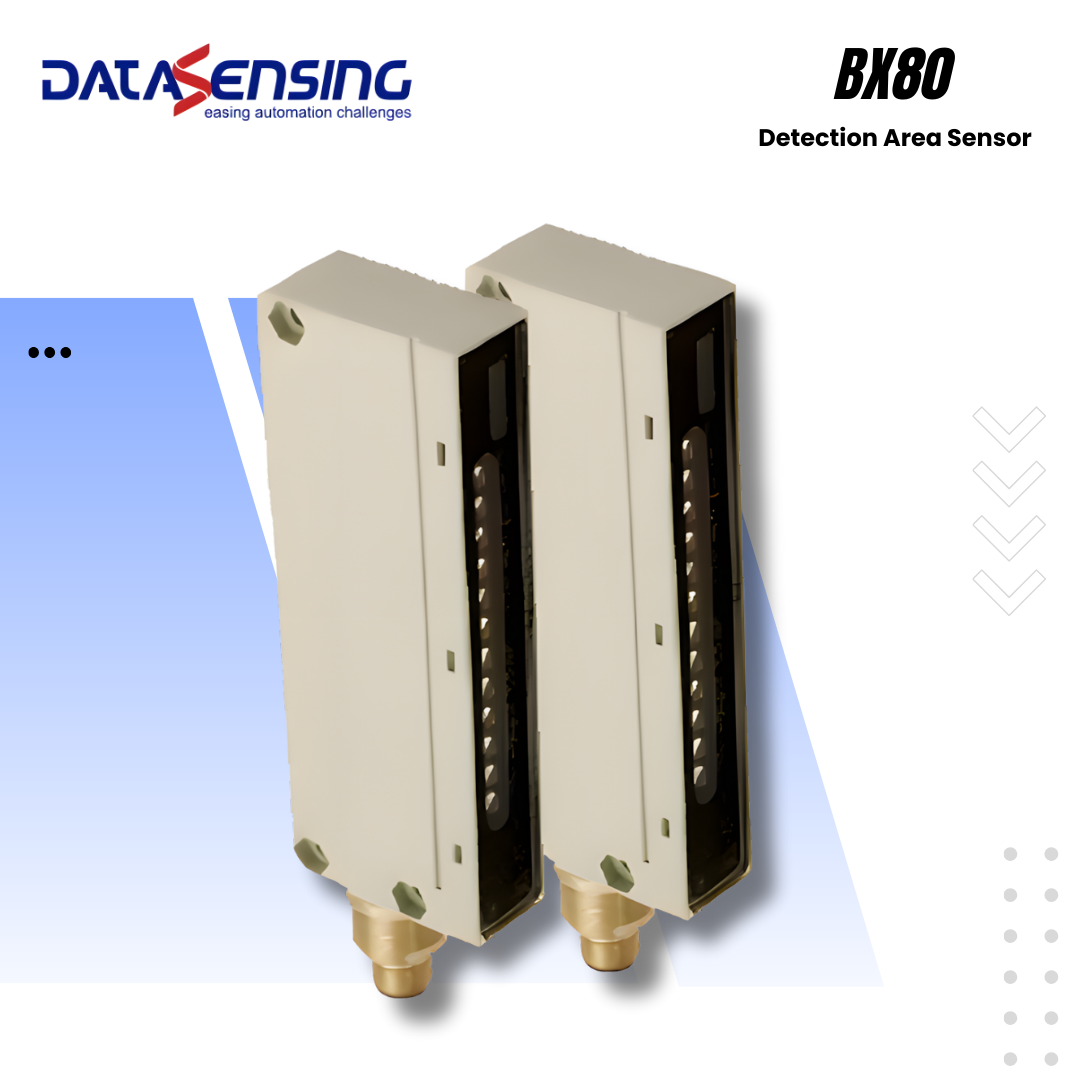
The BX80 Series are high-resolution crossed-beam area sensor...
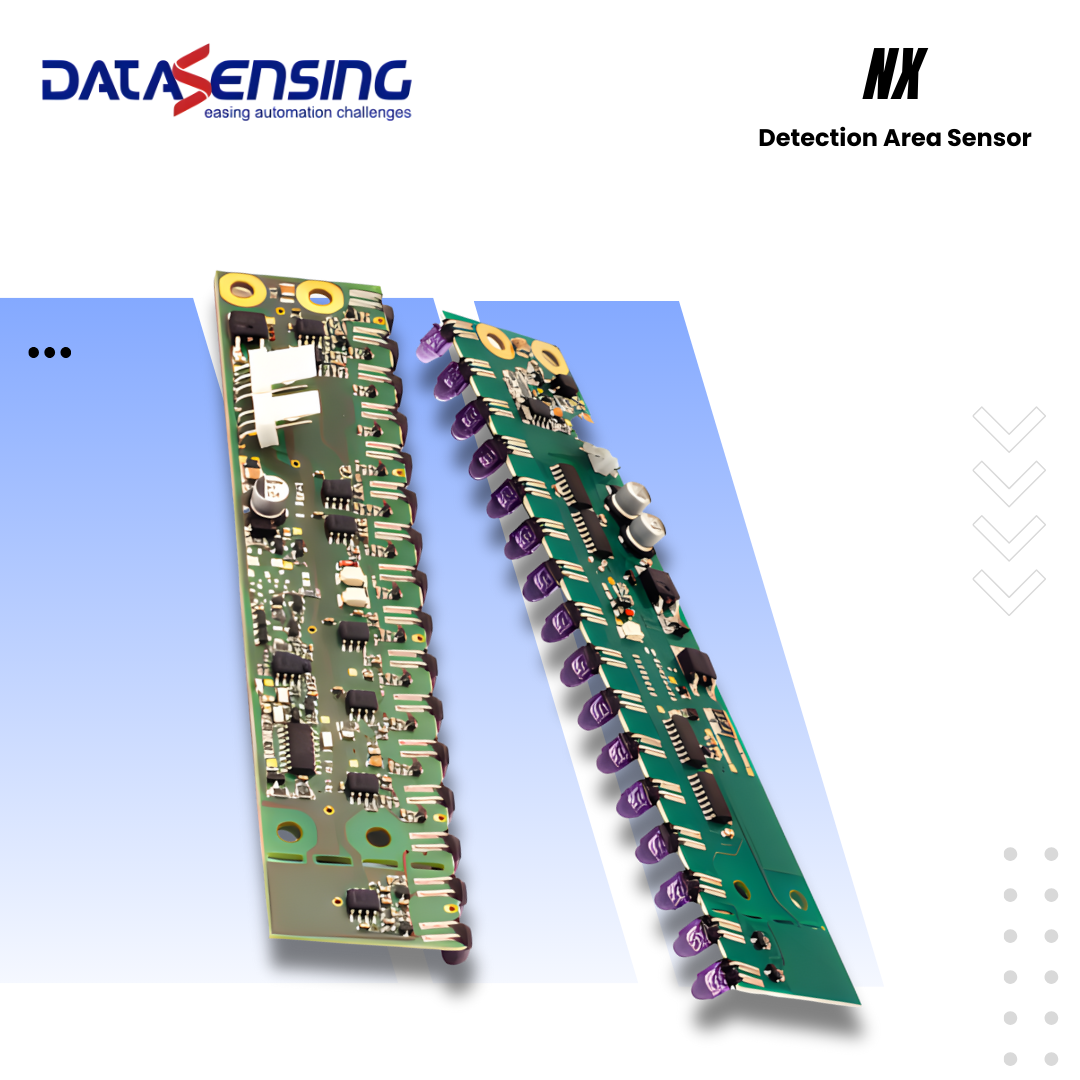
The NX Series are compact, medium-resolution crossed-beam ar...
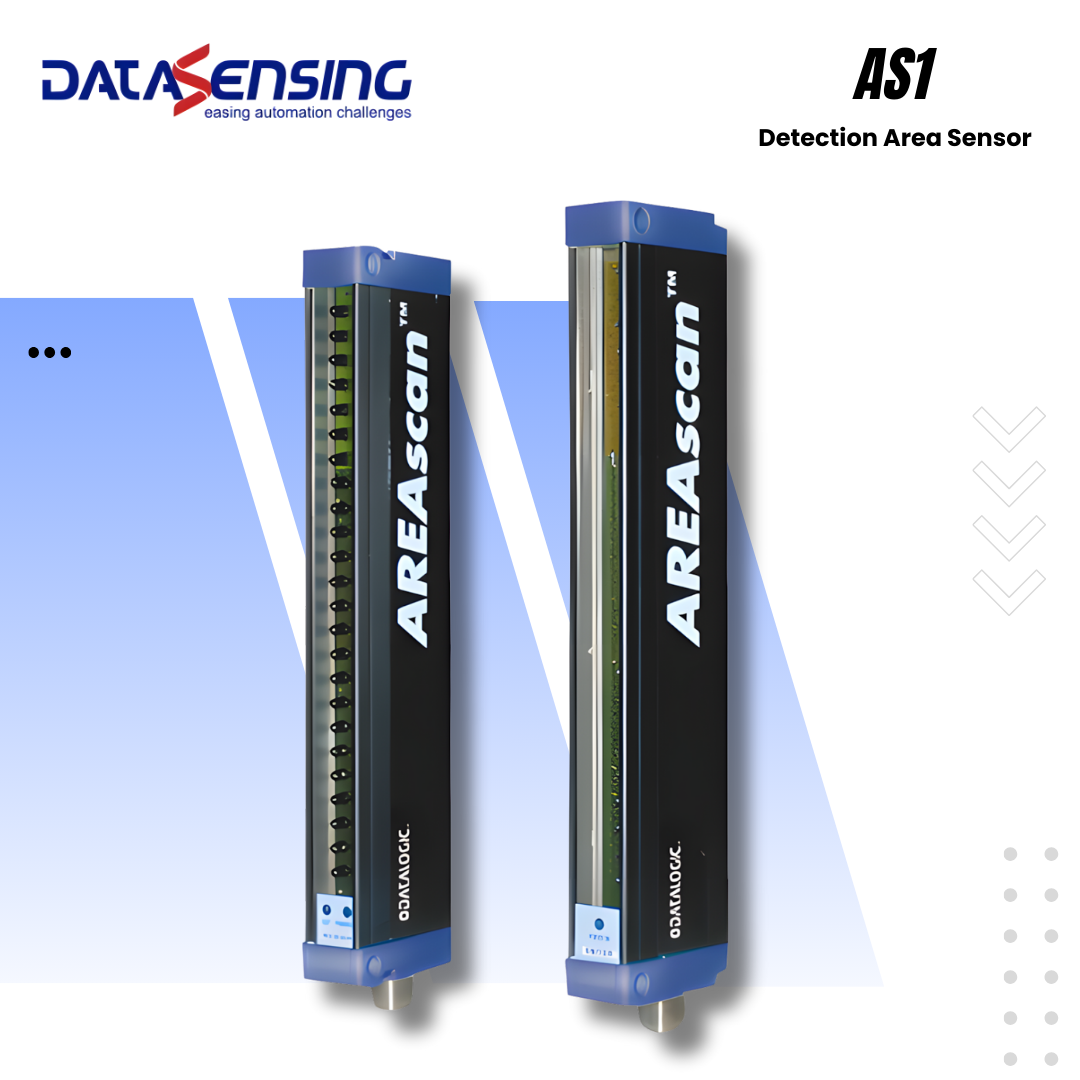
The AS1 Series are compact crossed-beam area sensors with a...
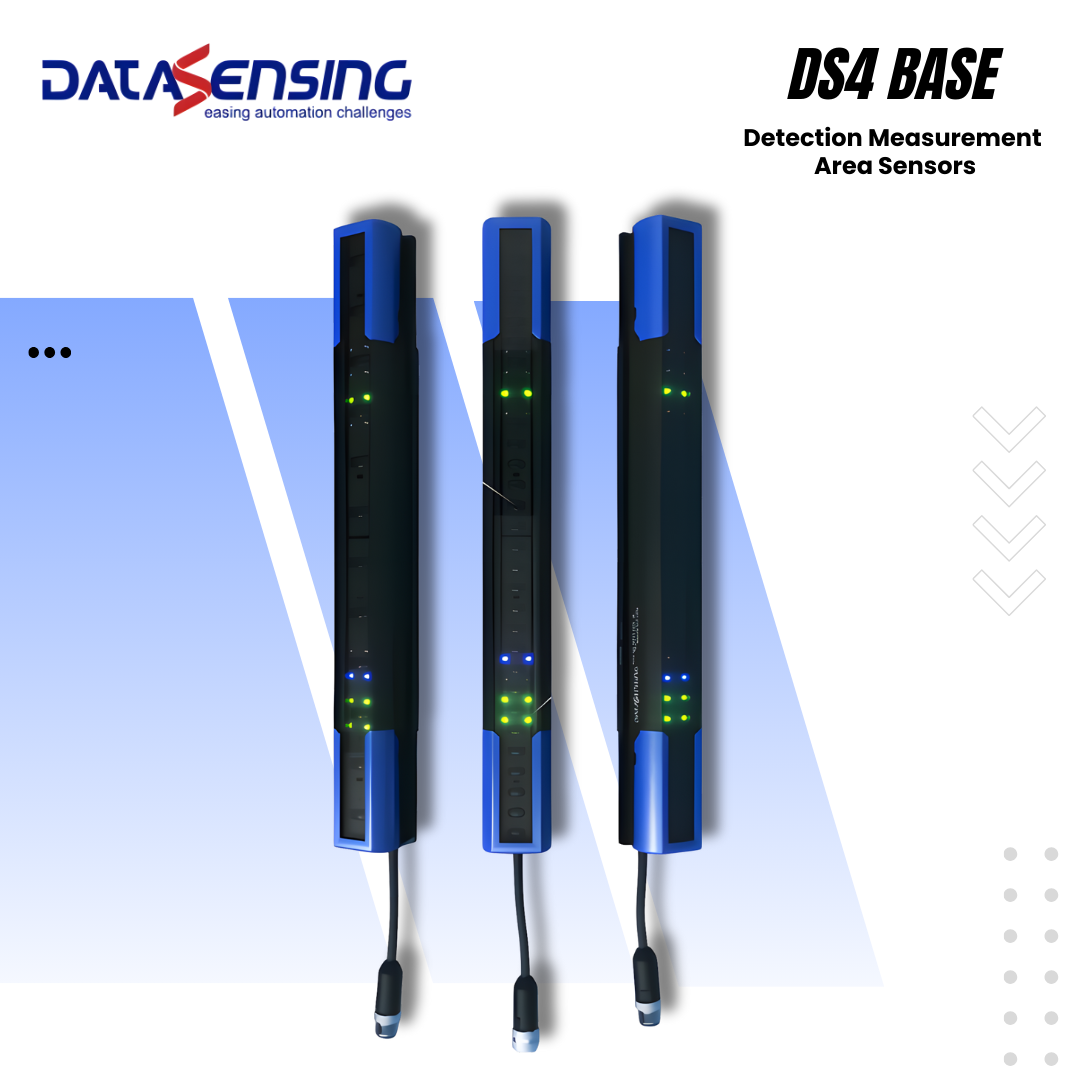
The DS4 Base Series are basic yet high-performance detection...
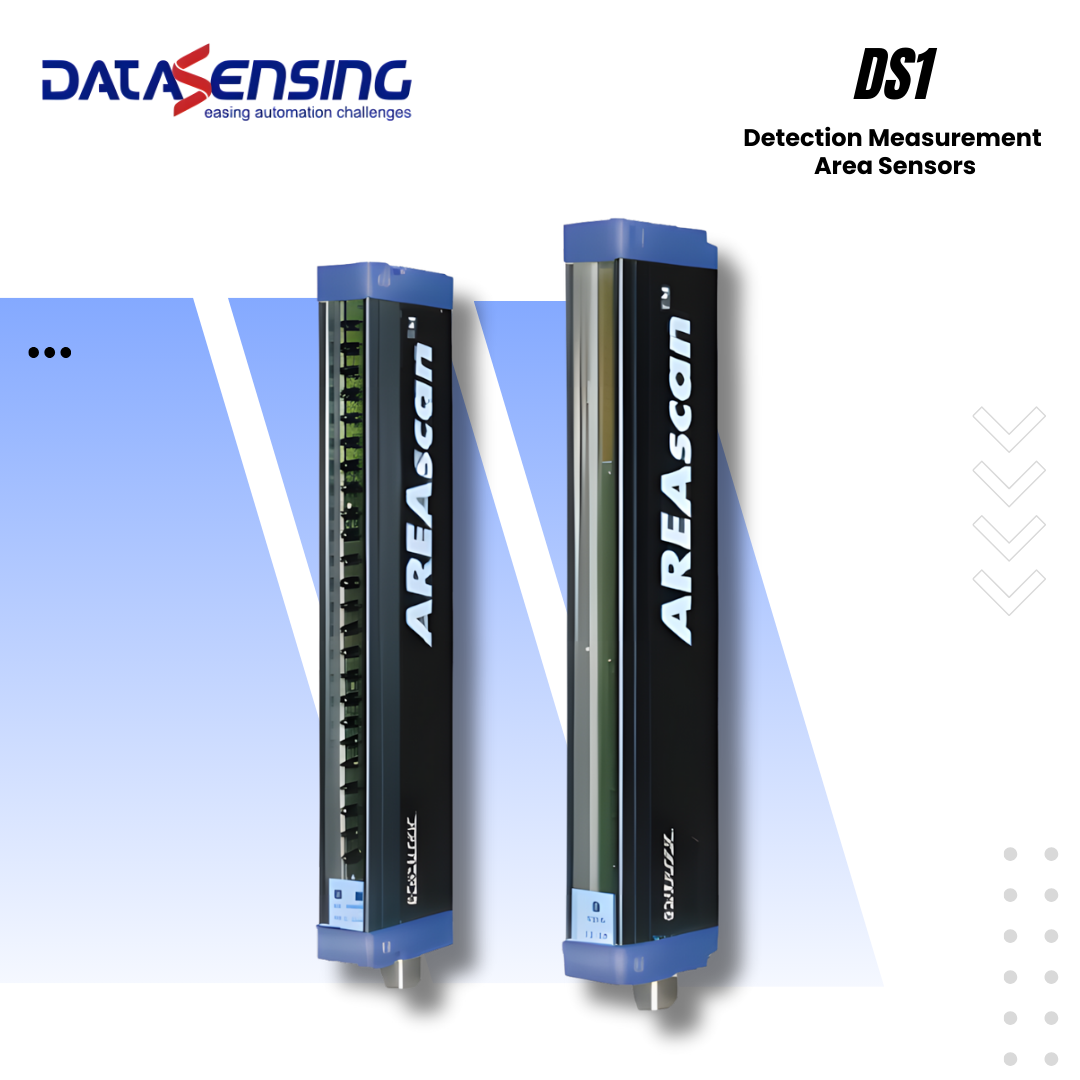
The DS1 Series are slim multi-beam detection and measurement...