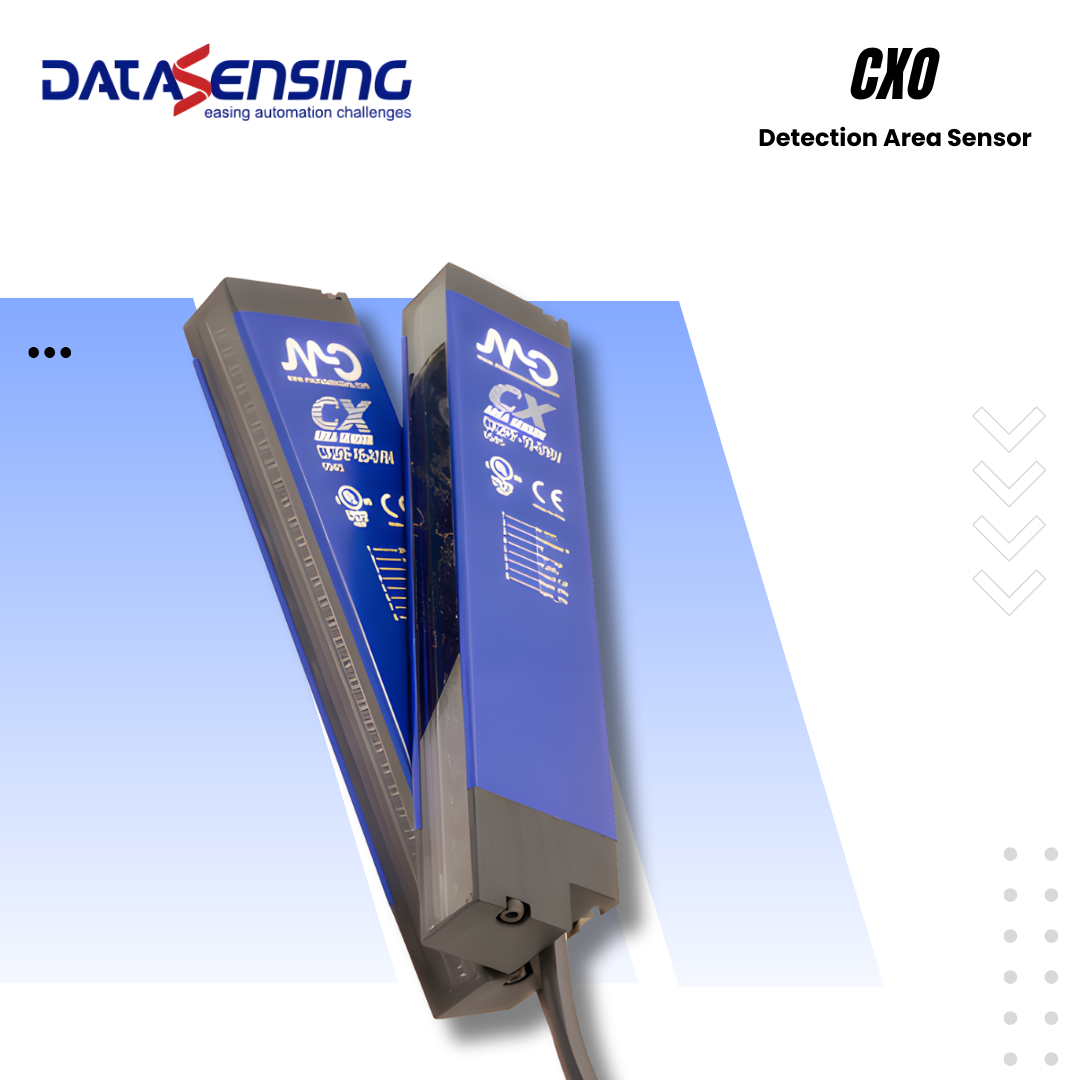
Datasensing CX0 Series
The Datasensing CX0 Series consists of slim area sensors des...

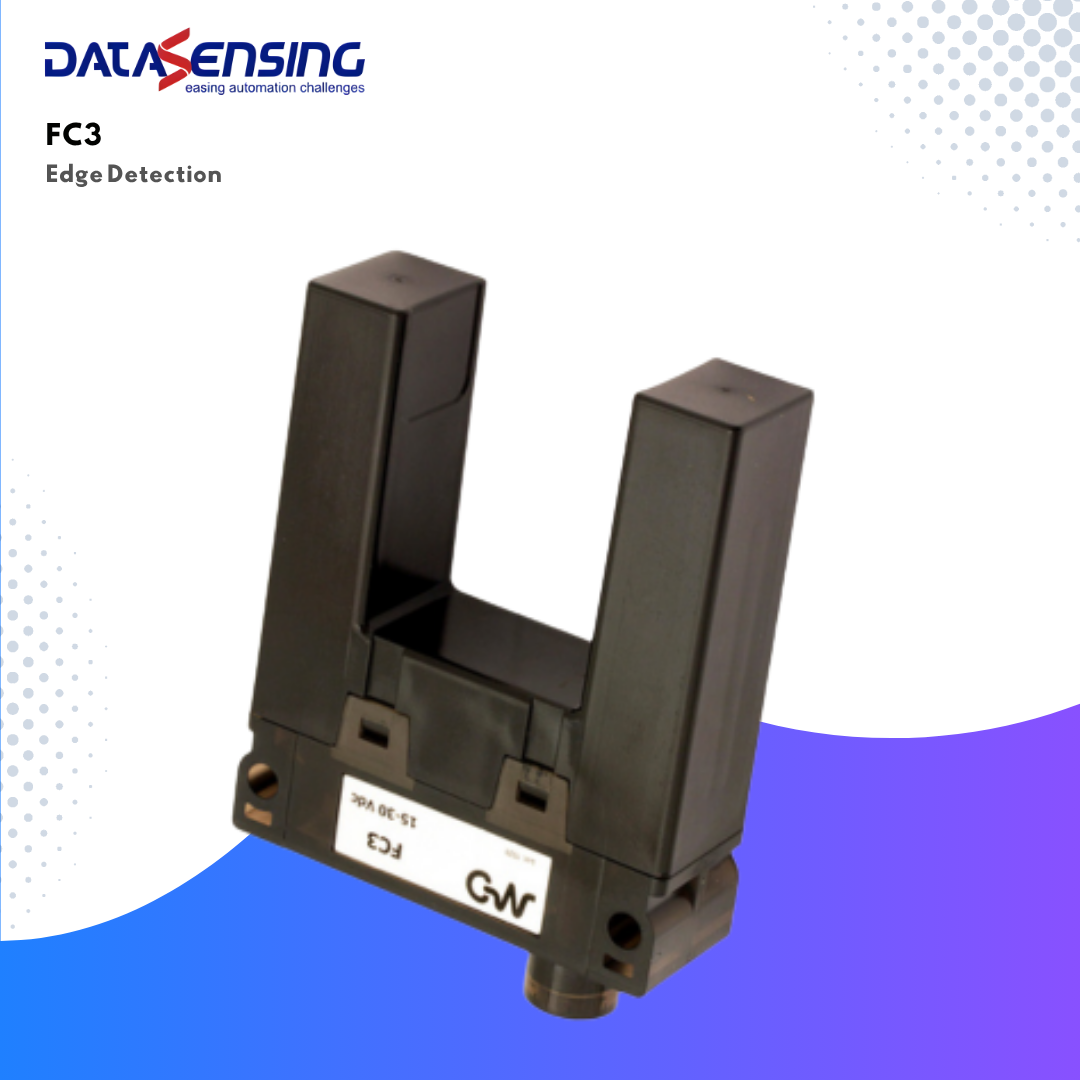
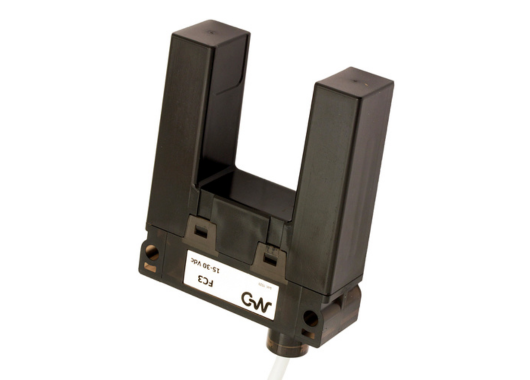
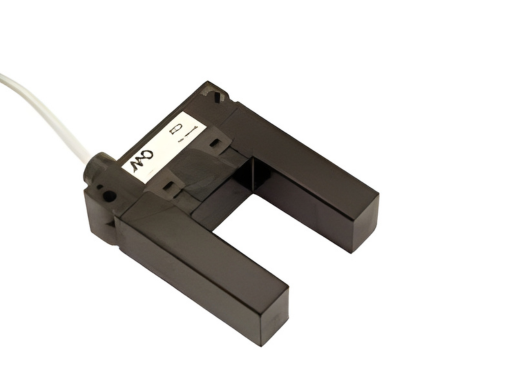
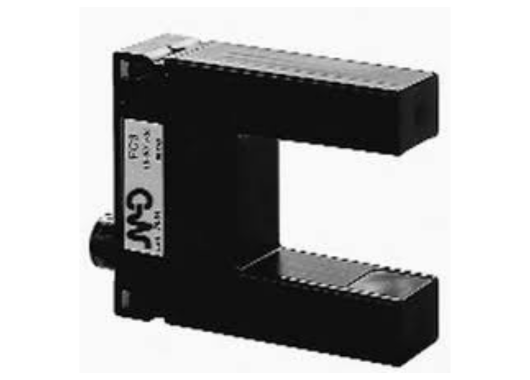
The FC3 Series offers a high-performance family of fork-type photoelectric sensors, engineered specifically for reliable detection of web edges, belts and leading/trailing edges of materials in high-precision industrial automation. With a dual-beam design, selectable output logic (Light-On/Dark-On), and output types including TRIAC or MOSFET, the FC3 delivers repeatable edge detection, high immunity to dust, and straightforward integration into machine systems.
Important: With its dual-beam 6.8 mm spacing and selectable output logic, the FC3 Series delivers stable edge detection even on coloured or textured belts.
(Adapted for the dual beam fork sensor concept)
(Here interpreted as spacing and geometry of the two beams)
Important: The 6.8 mm inter-beam spacing is optimised for edge-detection applications and supports reliable sensing of belt edges, perforations or webs.
Parameter | FC3 Series – Standard Edge Detector | FC3/A Variant – MOSFET Output Version |
|---|---|---|
| Product Line | FC3 | FC3/A |
| Function | Fork (slot) photoelectric edge sensor with dual beams | Same function with MOSFET output |
| Beam Spacing (Inter-beam) | 6.8 mm | 6.8 mm |
| Output Type | Solid-state TRIAC (up to 110 V AC / 500 mA) | Solid-state MOSFET (up to 30 V DC) |
| Supply Voltage | 10–30 V DC | 10–30 V DC |
| Edge to Detect | Belt/web edge, sheet edge | Same |
| Housing / Slot Configuration | Fork-slot form, designed for edge alignment systems | Same |
| Protection Rating | Dust-resistant (industrial rating) | Same |
| Operating Temperature | –20 °C … +70 °C (model dependent) | –20 °C … +70 °C |
You may also like similar items from this category
The Datasensing CX0 Series consists of slim area sensors des...
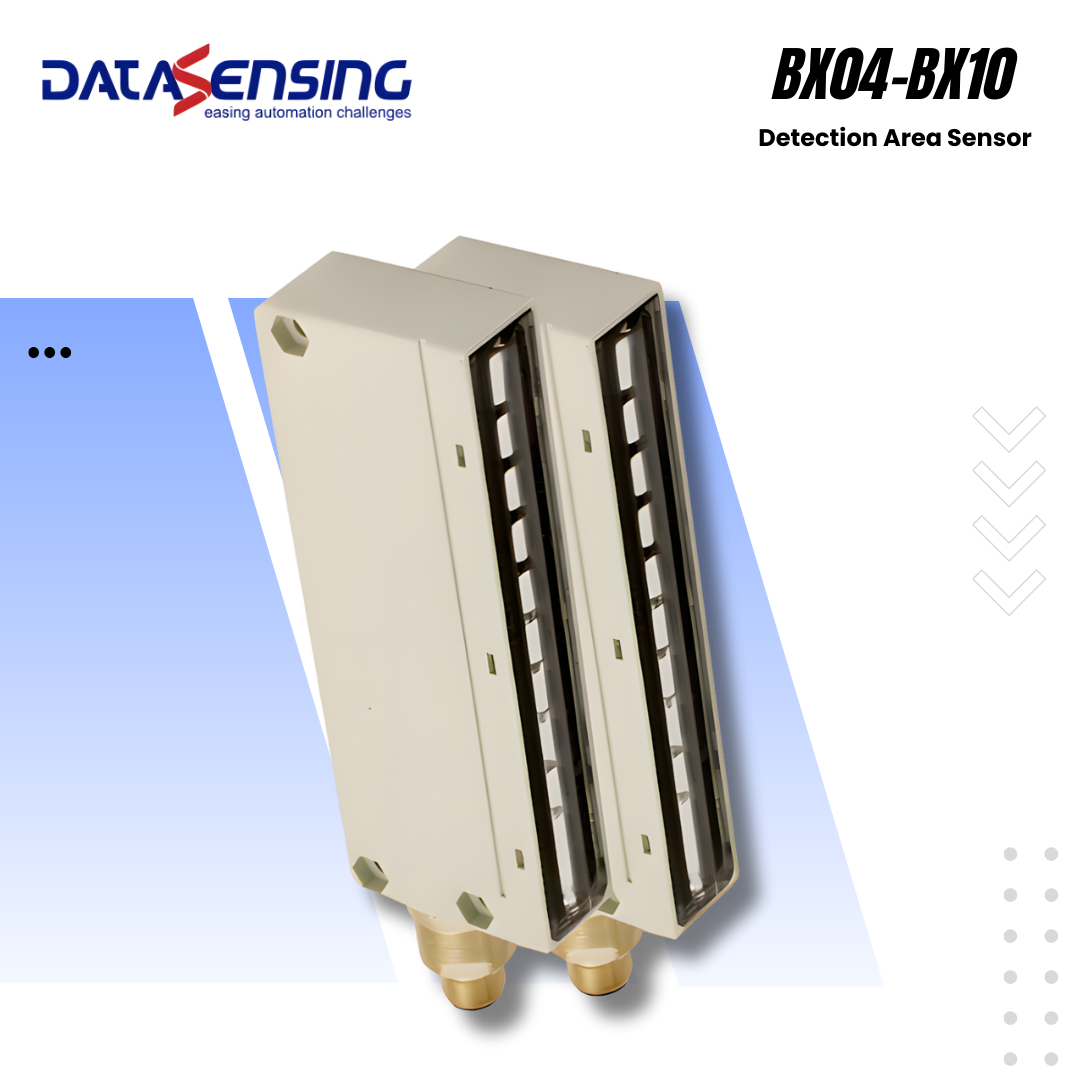
The Datasensing BX04-BX10 Series comprises compact crossed-b...
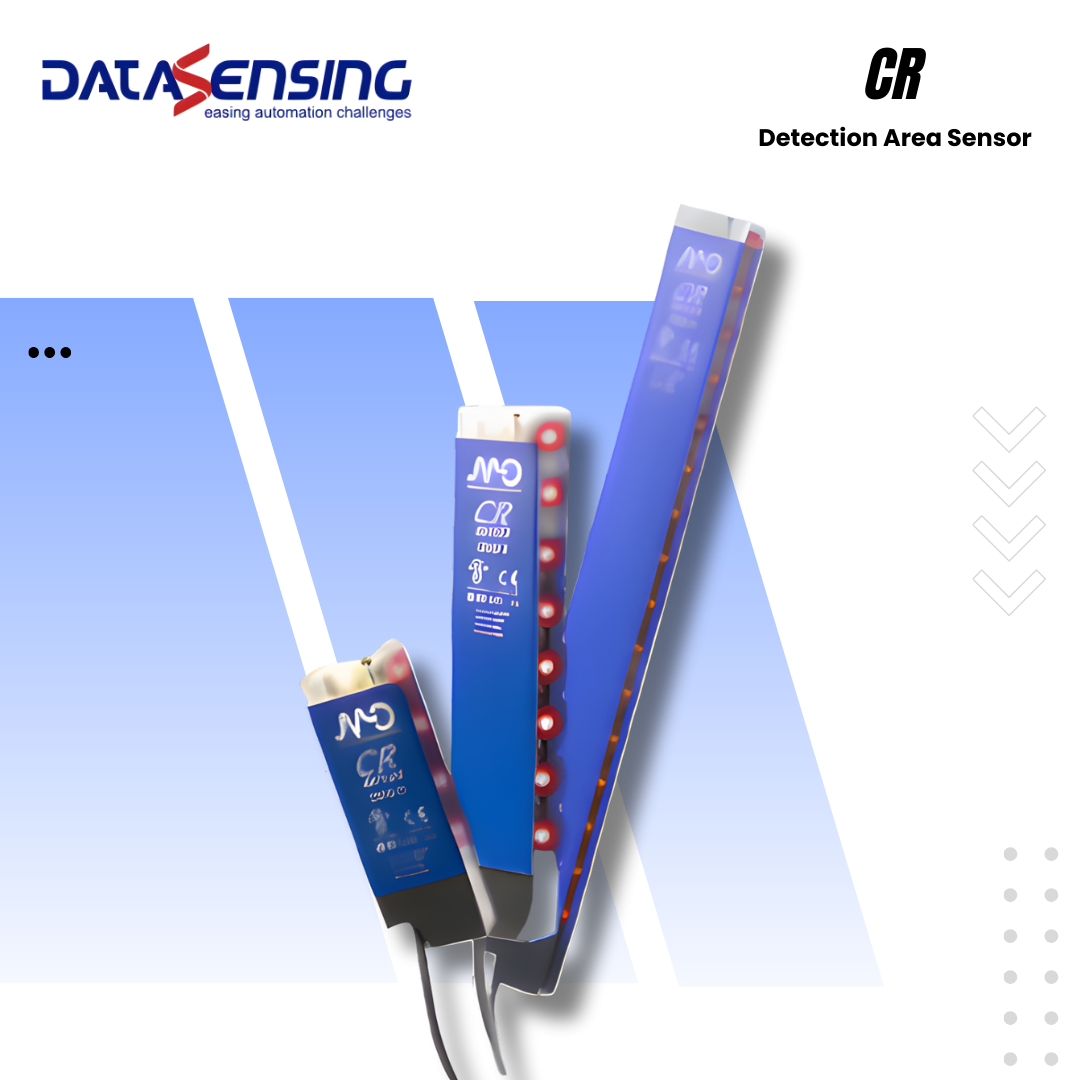
The Datasensing CR Series are polarized retro-reflective are...
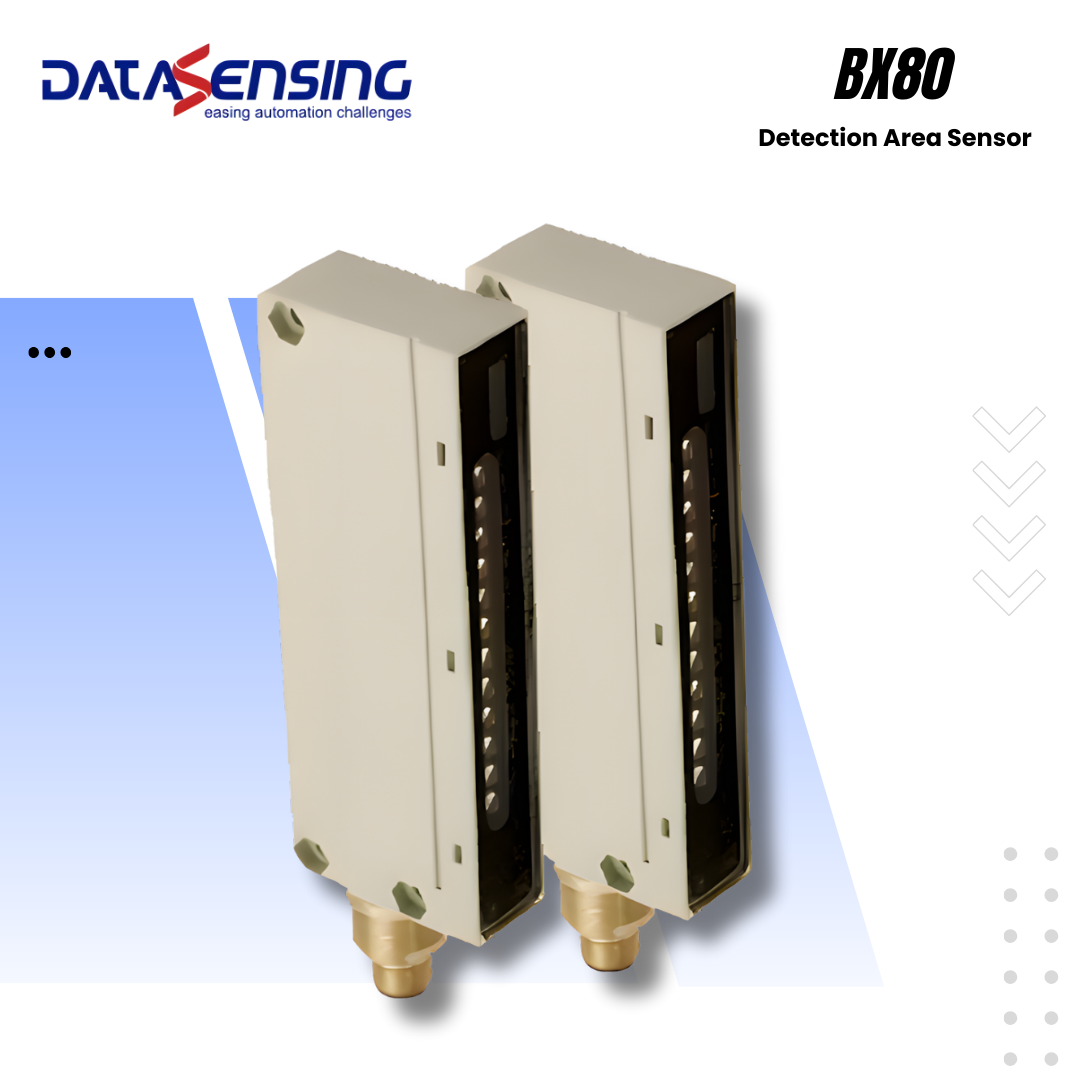
The BX80 Series are high-resolution crossed-beam area sensor...
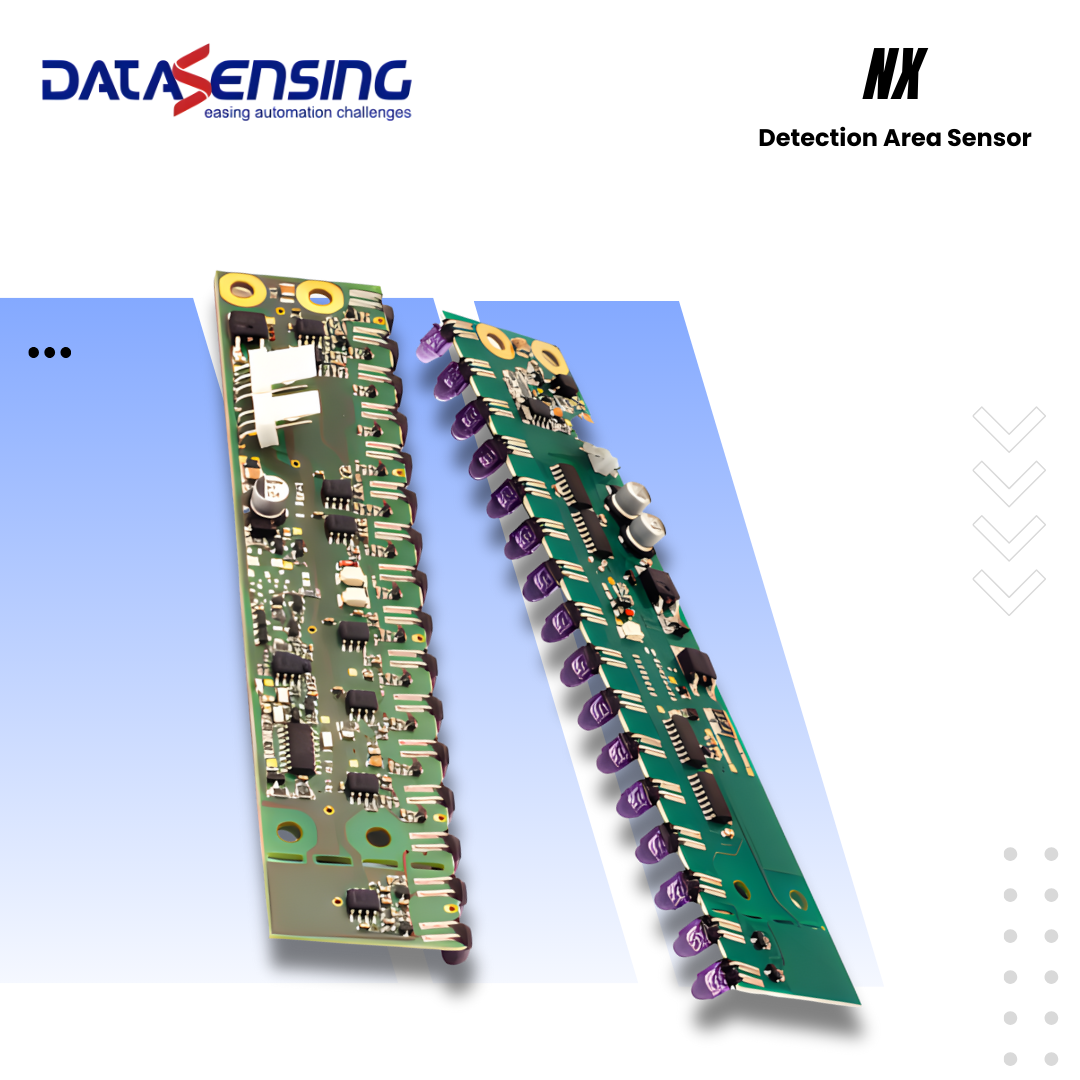
The NX Series are compact, medium-resolution crossed-beam ar...
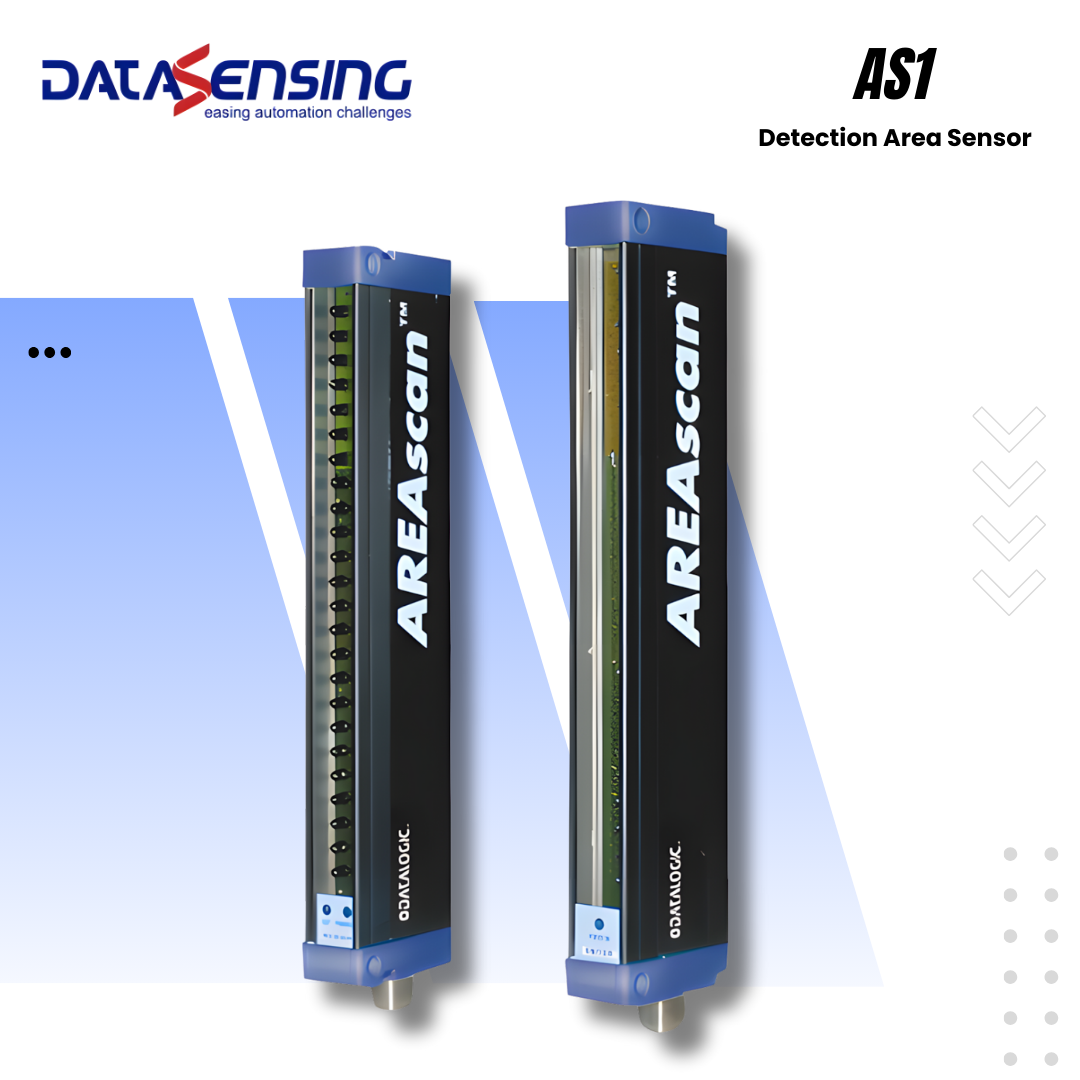
The AS1 Series are compact crossed-beam area sensors with a...
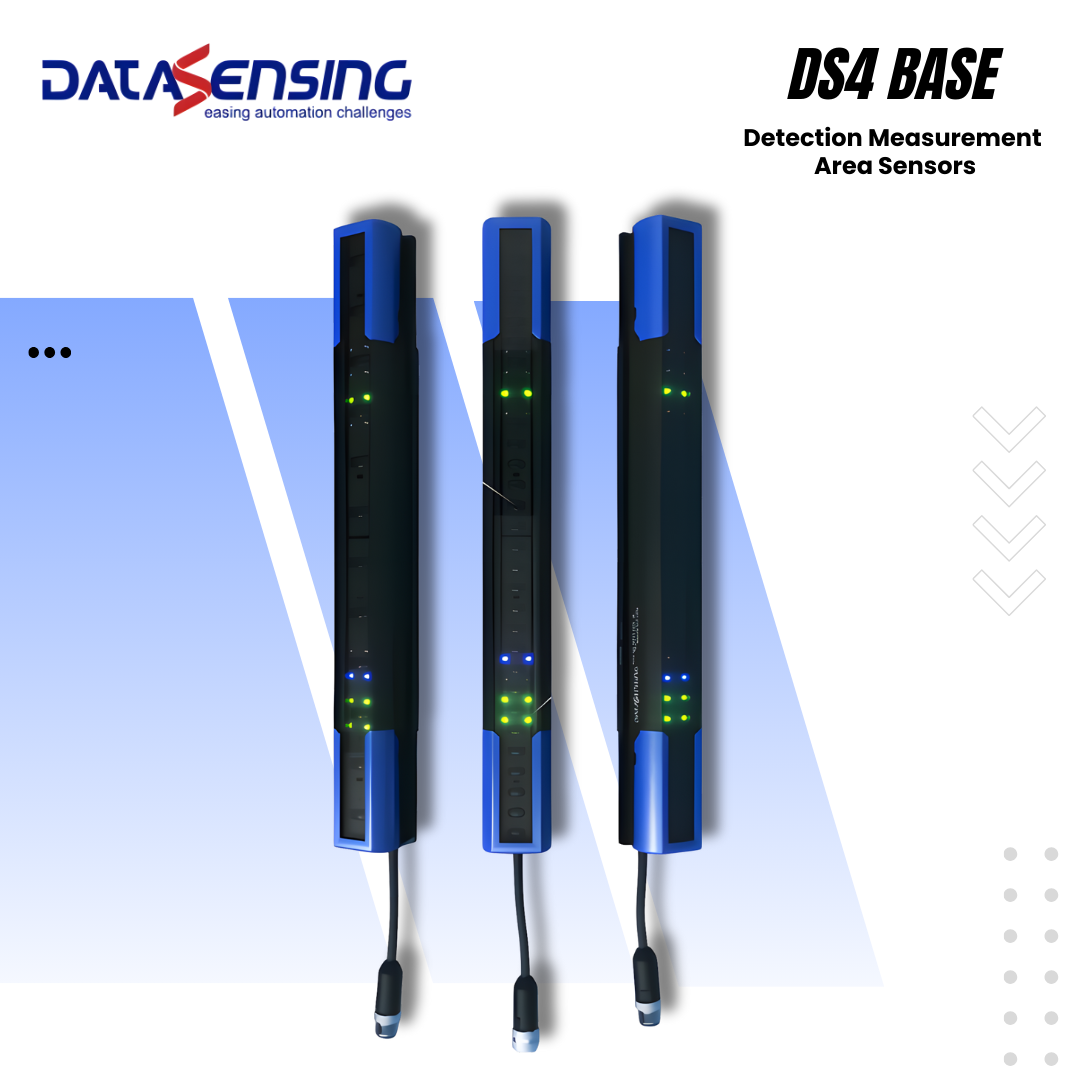
The DS4 Base Series are basic yet high-performance detection...
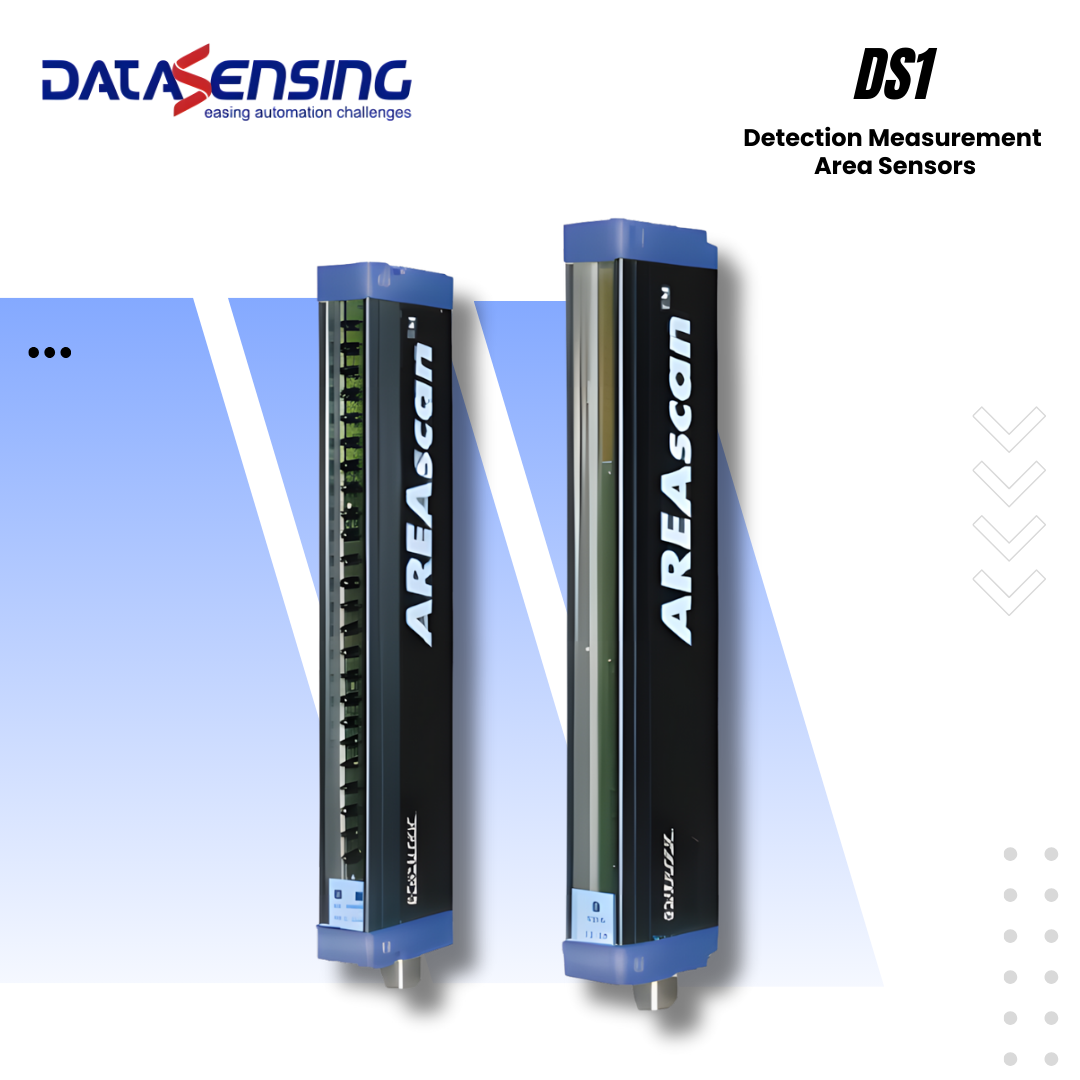
The DS1 Series are slim multi-beam detection and measurement...