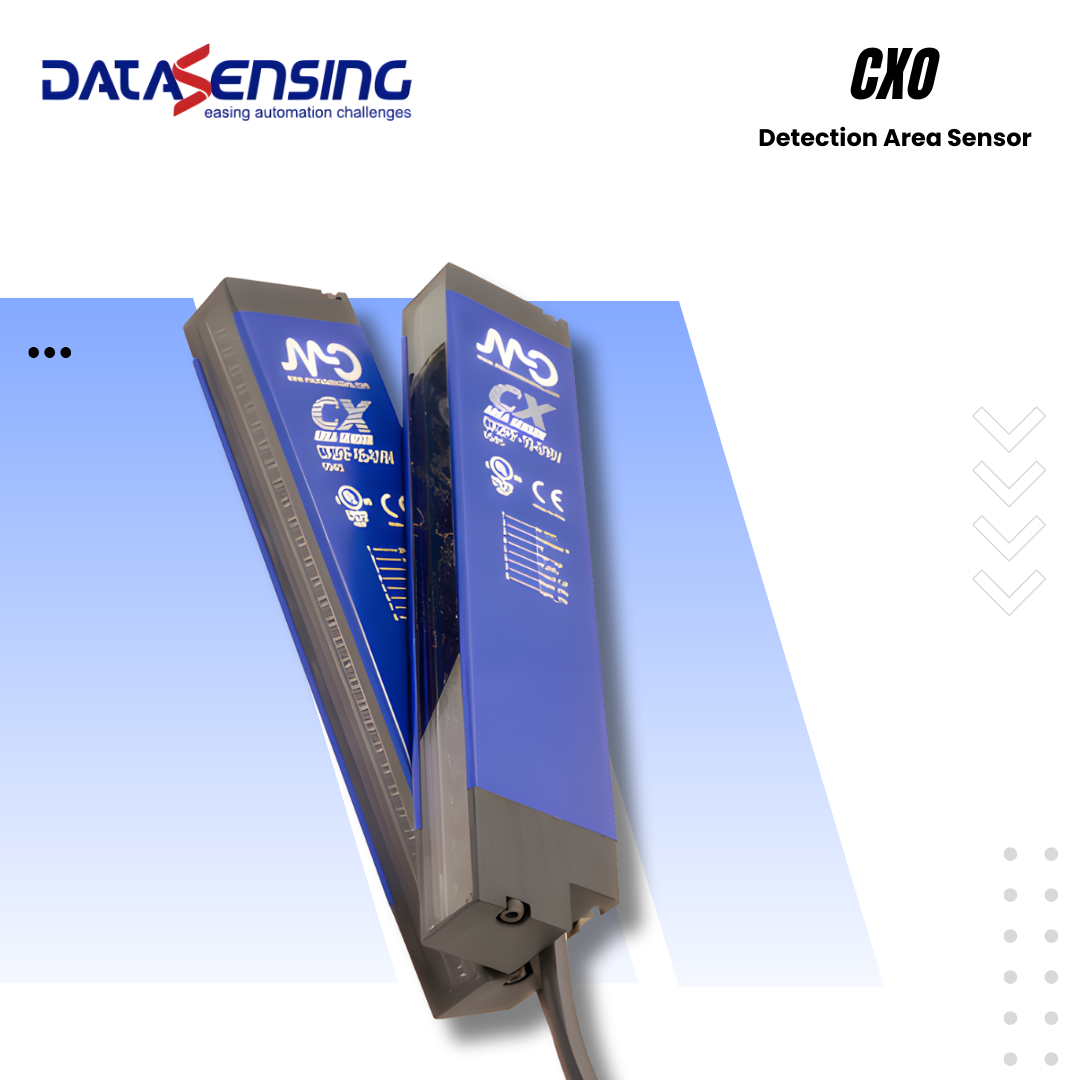
Datasensing CX0 Series
The Datasensing CX0 Series consists of slim area sensors des...

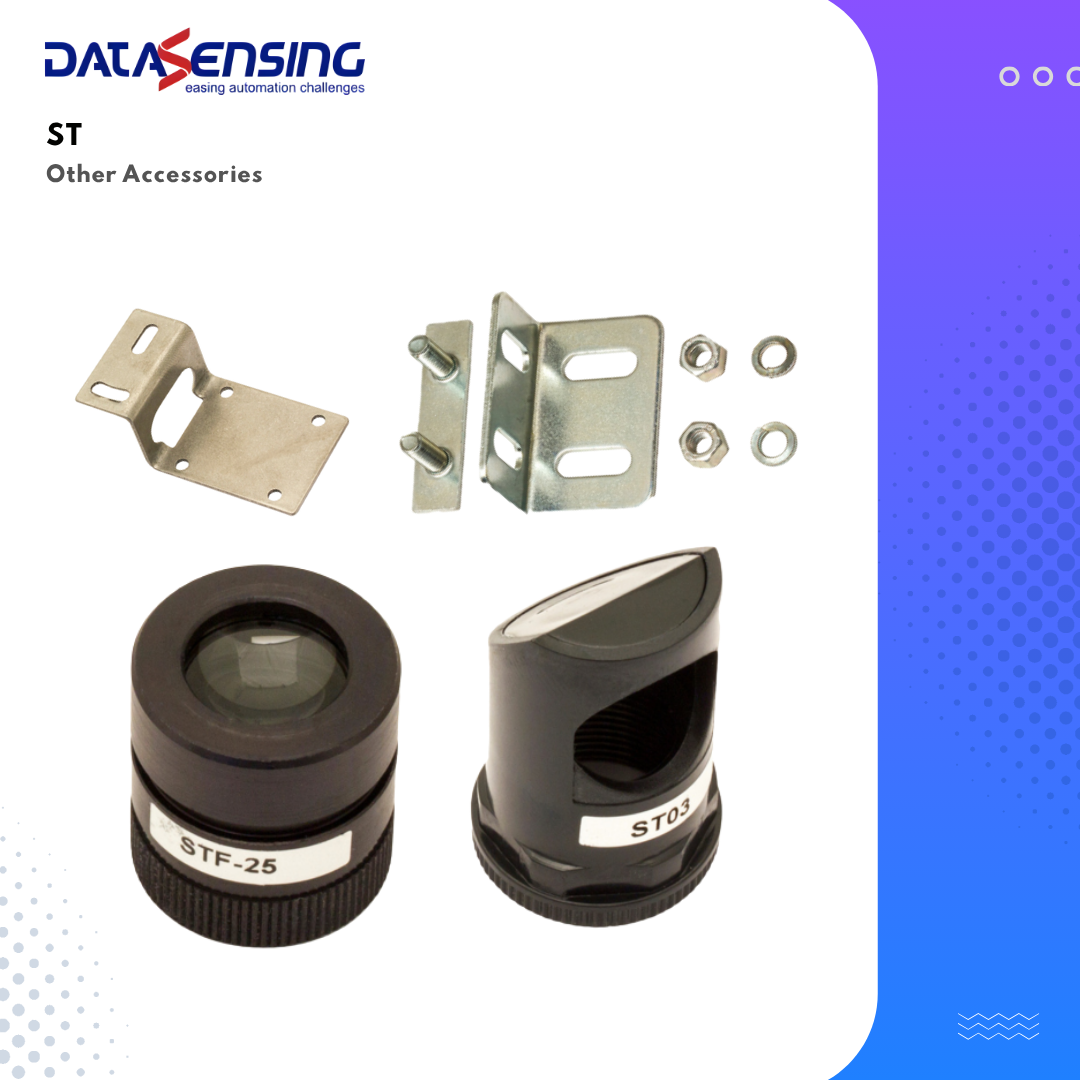
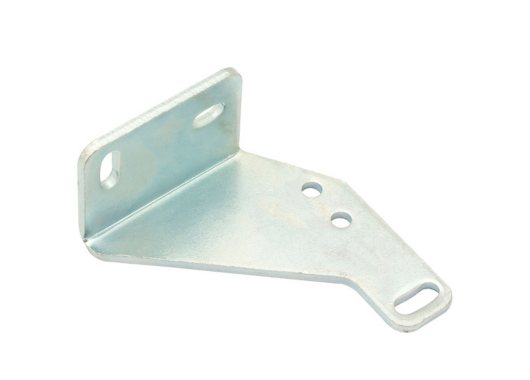
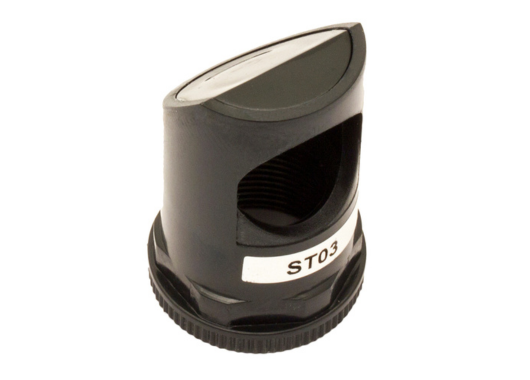
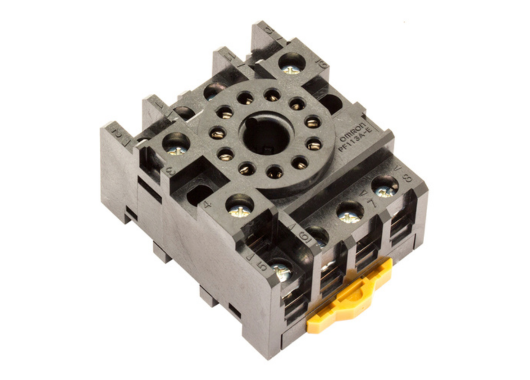
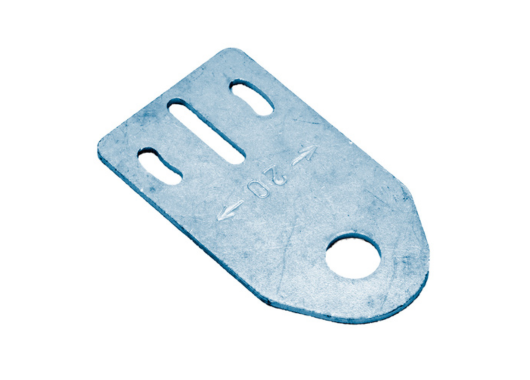
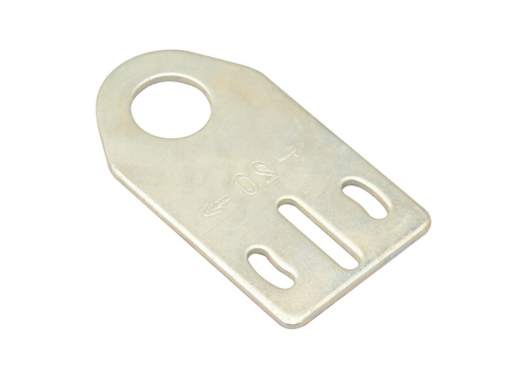
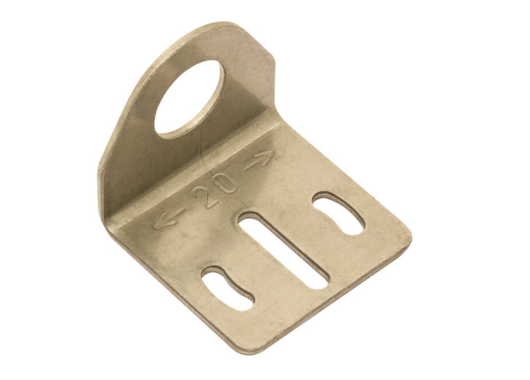
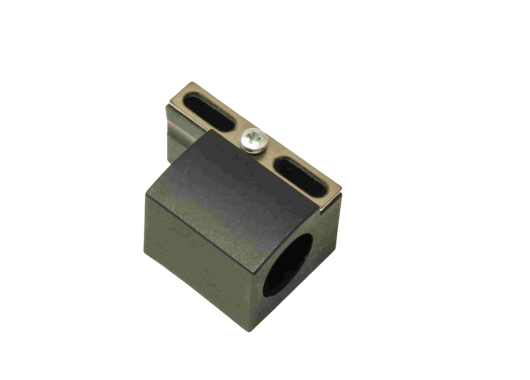
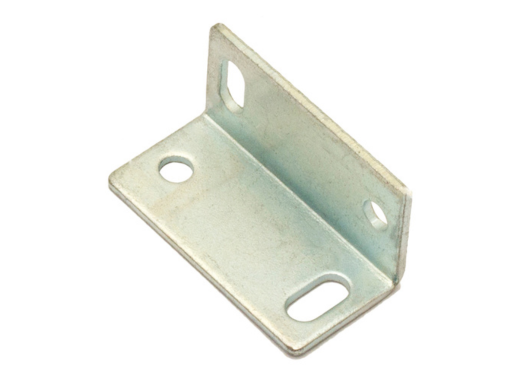
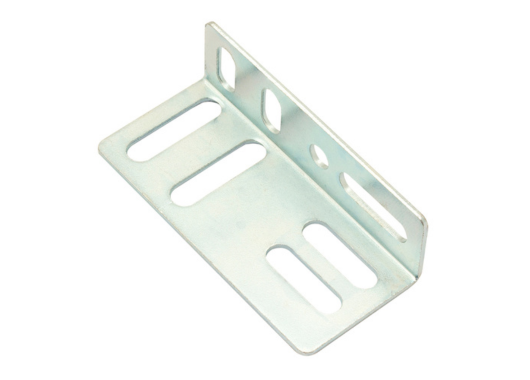
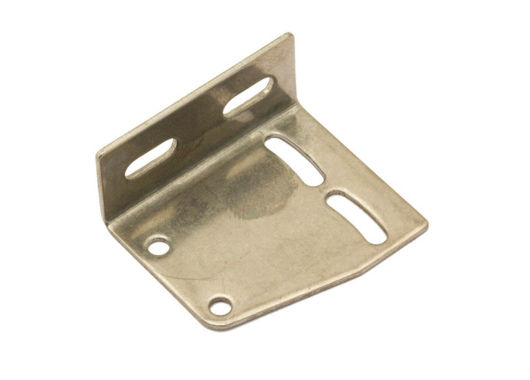
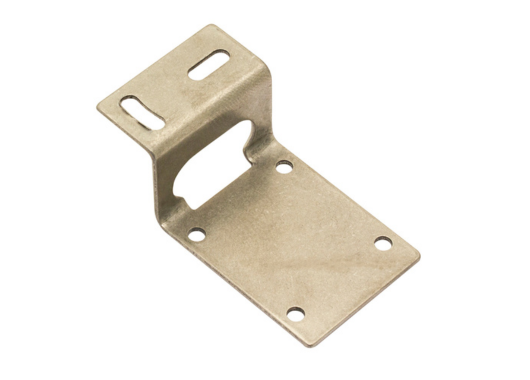
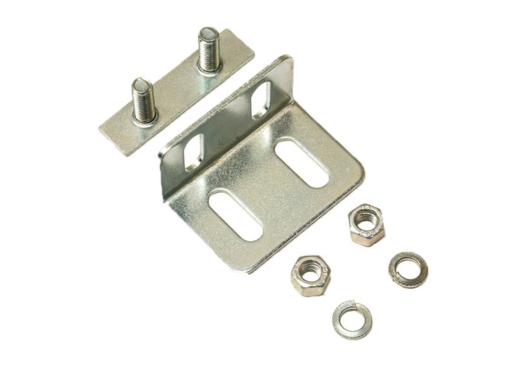
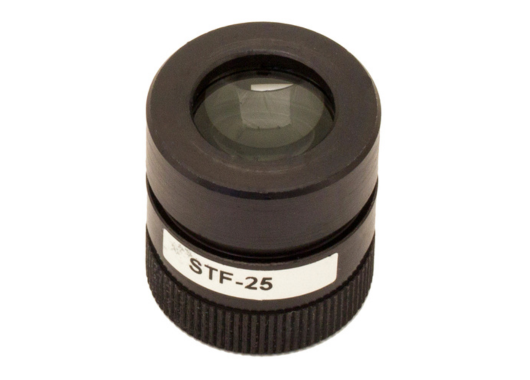
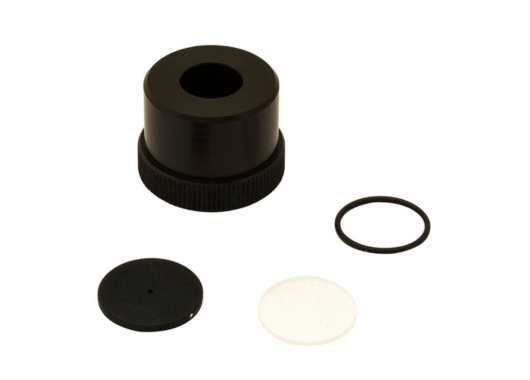
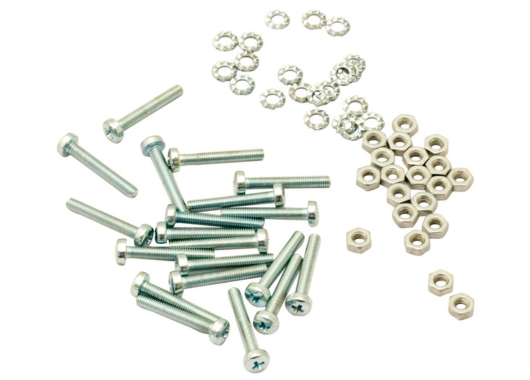
The ST Series provides a comprehensive family of industrial mounting accessories, engineered for secure sensor fixation, flexible alignment adjustment, and robust performance under heavy-duty conditions. With heavy-duty metal construction, multiple mounting styles (L-brackets, swivel mounts, sliding profiles), and compatibility with a wide range of sensors, this series delivers stable installation, precise alignment, and long-term reliability in demanding production environments.
(Here the term is adapted to mean “full mounting flexibility and coverage” rather than literal optical beams.)
(Here interpreted as variant options of bracket size, style and adjustability rather than literal beam spacing.)
Parameter | ST Series Typical – Compact L-Bracket Variant | ST Series Typical – Adjustable Profile/Swivel Mount Variant |
|---|---|---|
| Product Line | ST | ST |
| Function | Fixed L-shaped metal mounting bracket for sensor installation | Adjustable mounting profile/swivel bracket for sensor arrays |
| Material | Steel with zinc plating or anodised aluminium | Steel or aluminium profile with locking adjusters |
| Dimensions (Example) | Approx. 40 × 120 × 40 mm | Variable length (e.g., 200–400 mm) by 50 mm increments |
| Mounting Adjustment Features | Slotted holes ±10 mm adjustment | Sliding slot rail with ±20 mm fine-adjustment and angle bracket |
| Fixings / Screws | M5 mounting screws, lock-nuts included | M6 mounting bolts, locking clamp included |
| Vibration Resistance | Rated for typical industrial conveyor vibration | Suitable for high-speed machine frames and robotic cells |
| Surface Finish | Zinc-plated steel (corrosion resistance) | Anodised aluminium or painted steel |
| Applicable Sensor Families | Compatible with multiple sensor series | Designed for multi-sensor alignment and retrofitisation |
You may also like similar items from this category
The Datasensing CX0 Series consists of slim area sensors des...
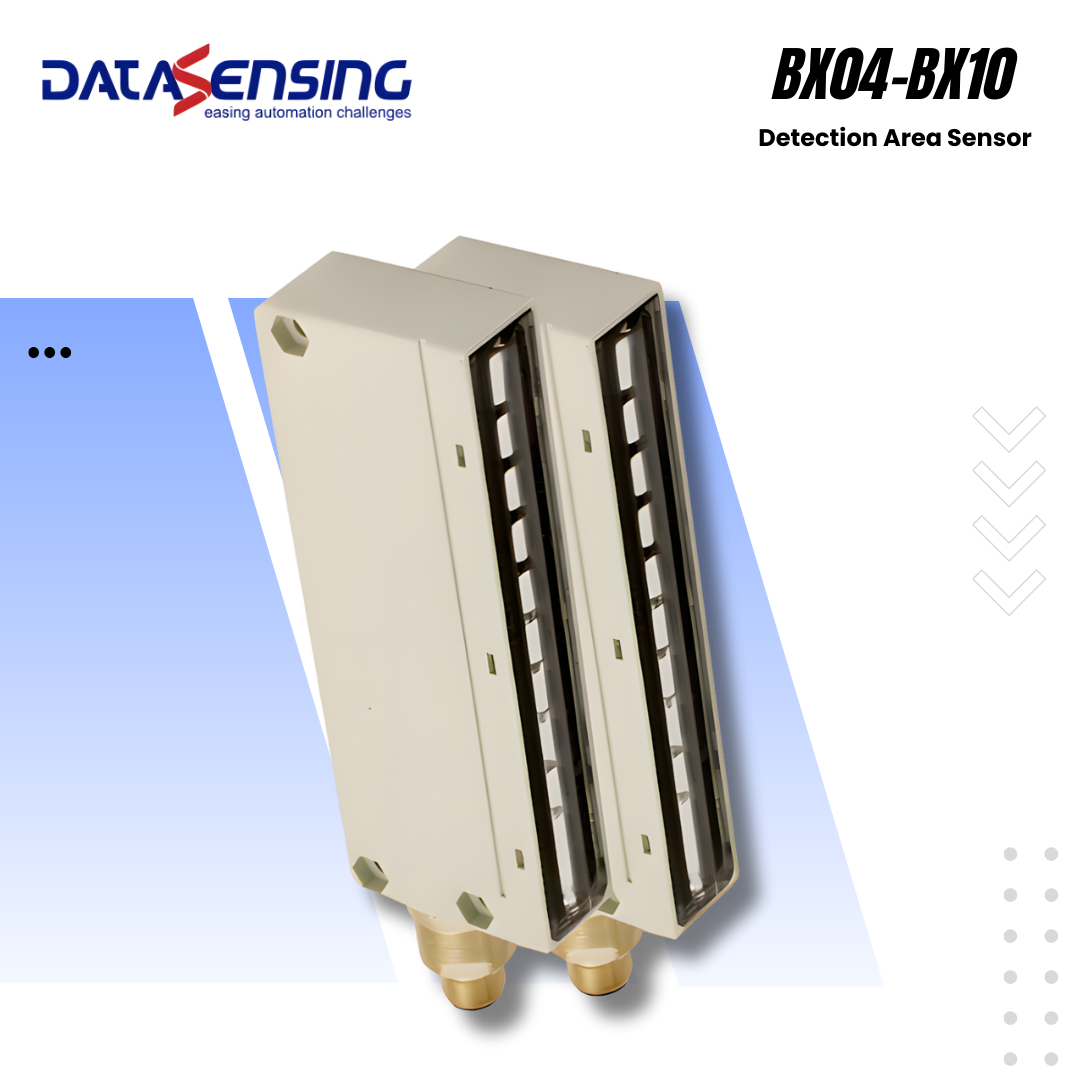
The Datasensing BX04-BX10 Series comprises compact crossed-b...
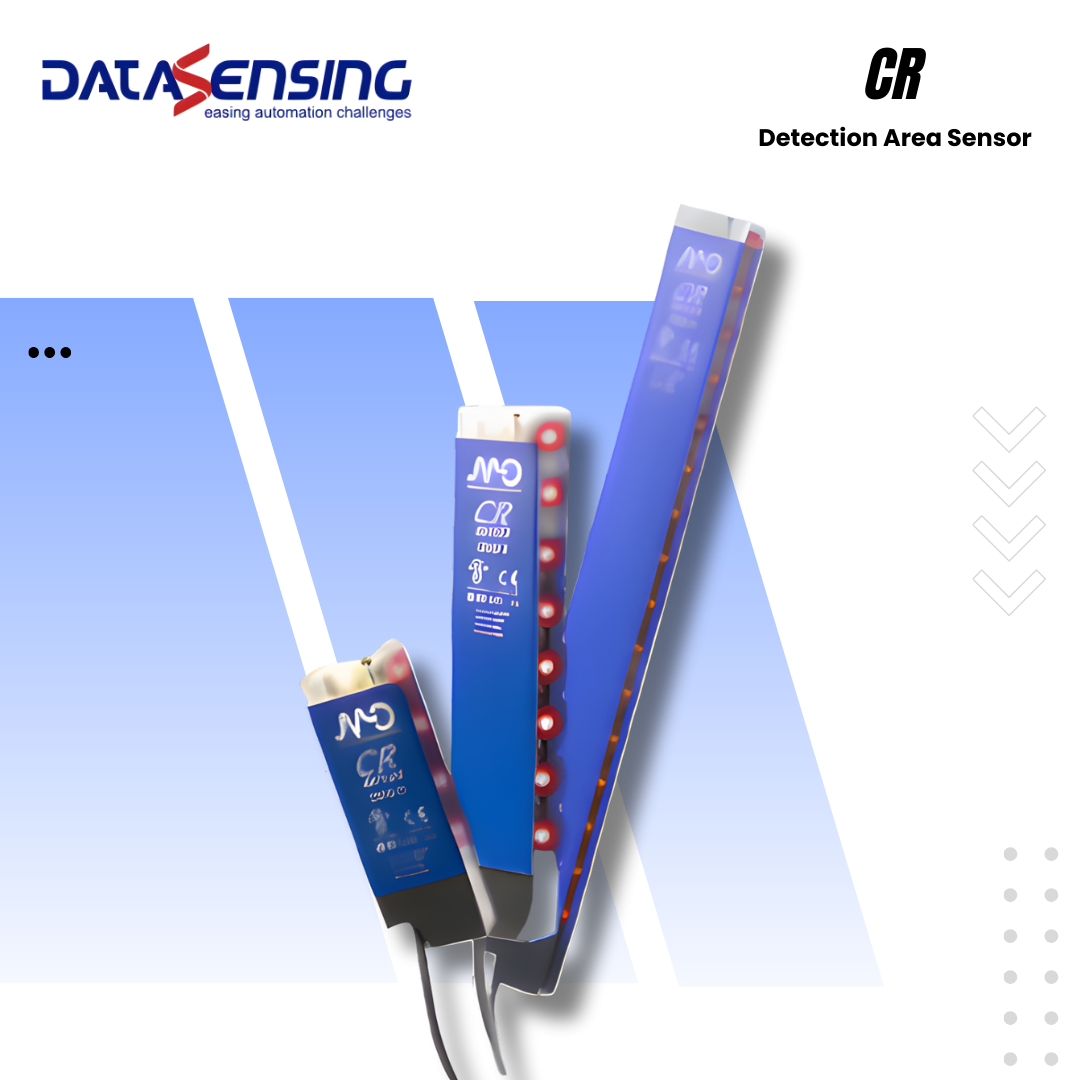
The Datasensing CR Series are polarized retro-reflective are...
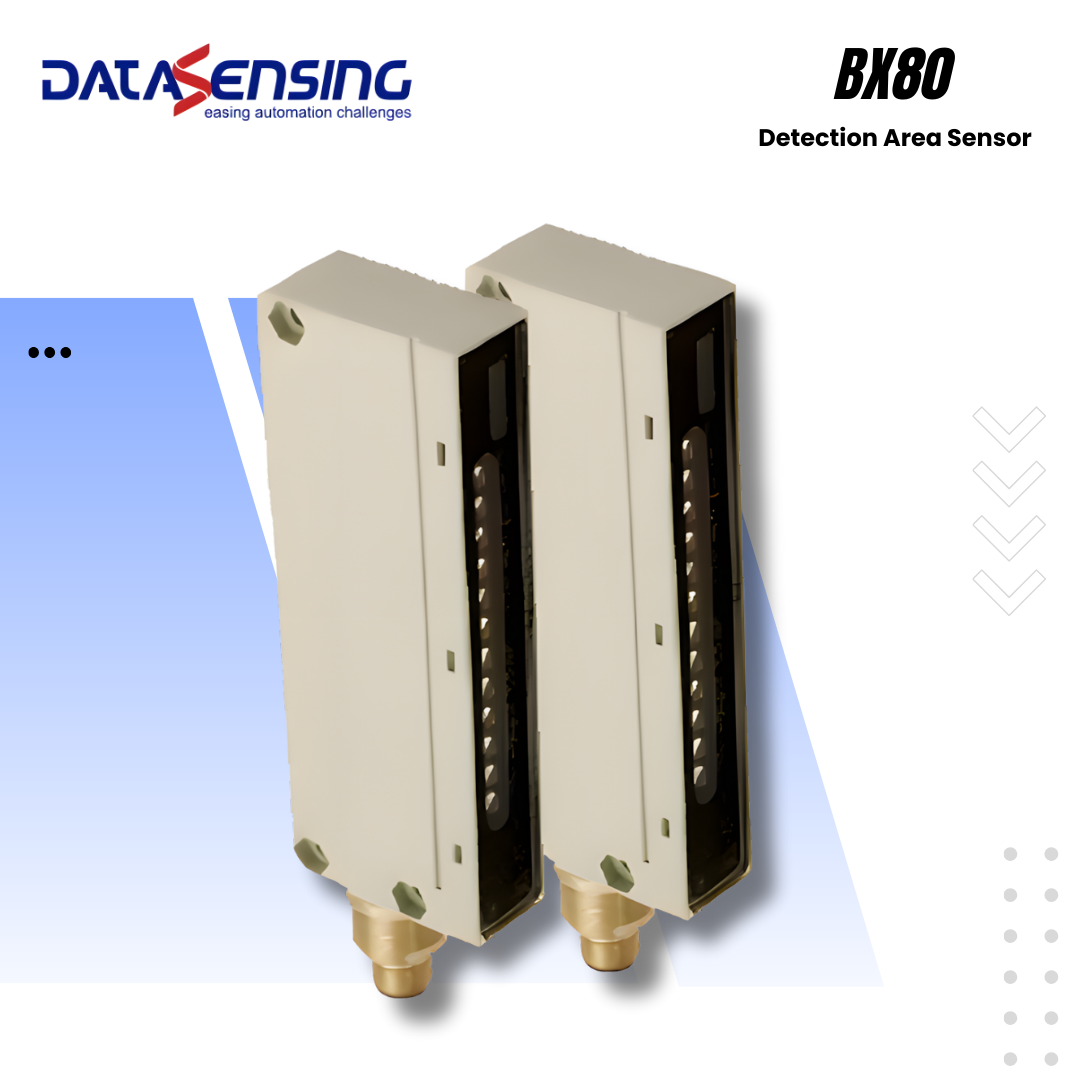
The BX80 Series are high-resolution crossed-beam area sensor...
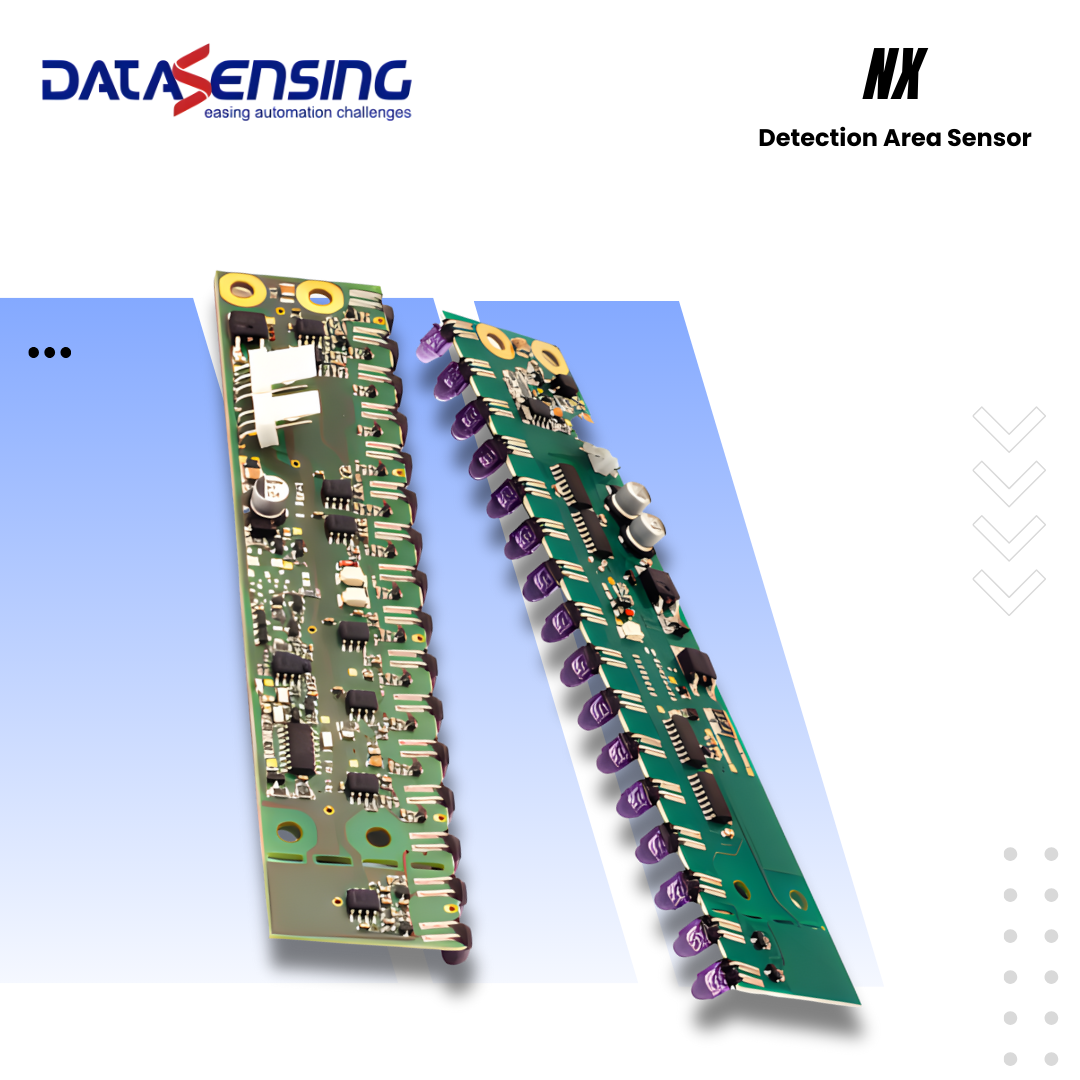
The NX Series are compact, medium-resolution crossed-beam ar...
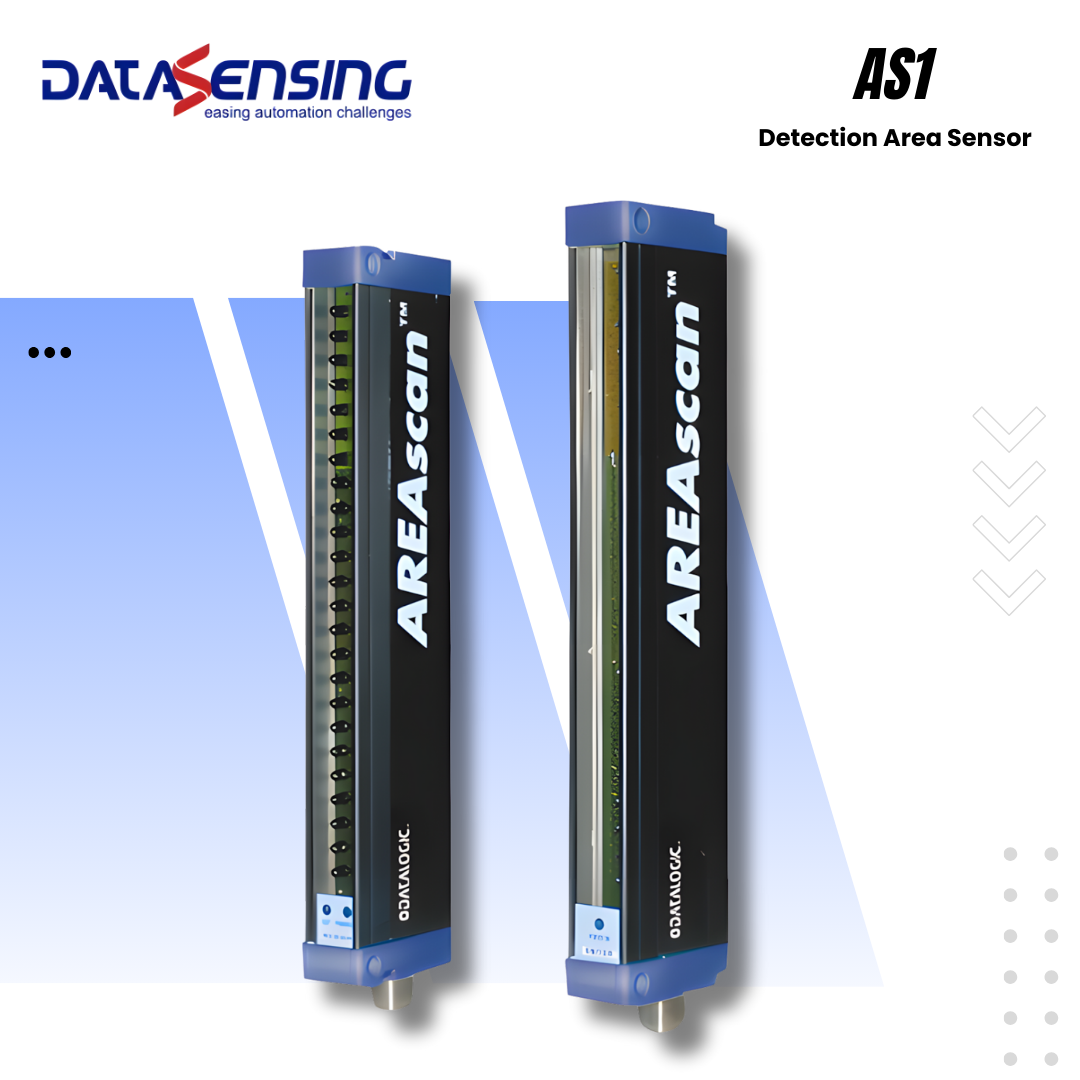
The AS1 Series are compact crossed-beam area sensors with a...
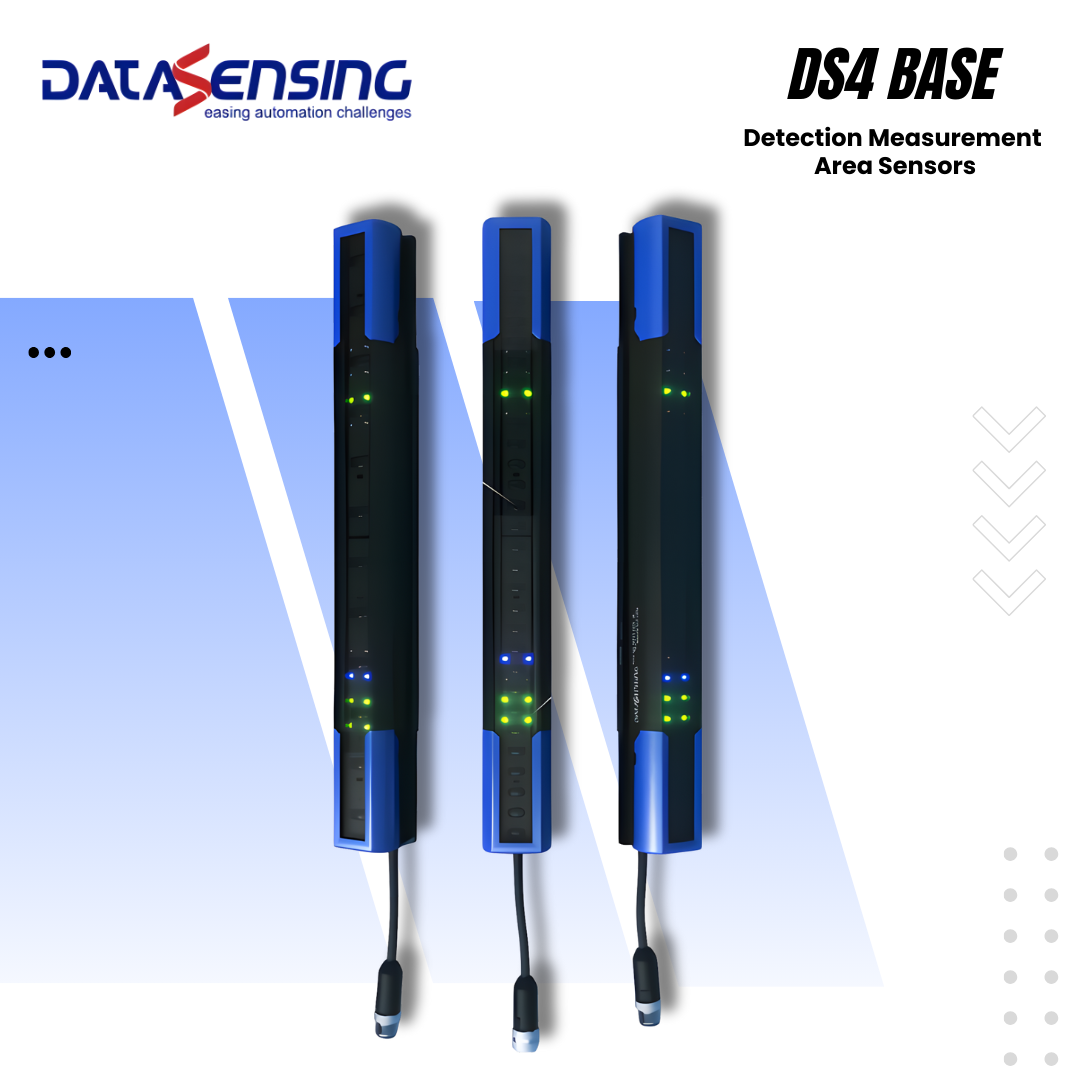
The DS4 Base Series are basic yet high-performance detection...
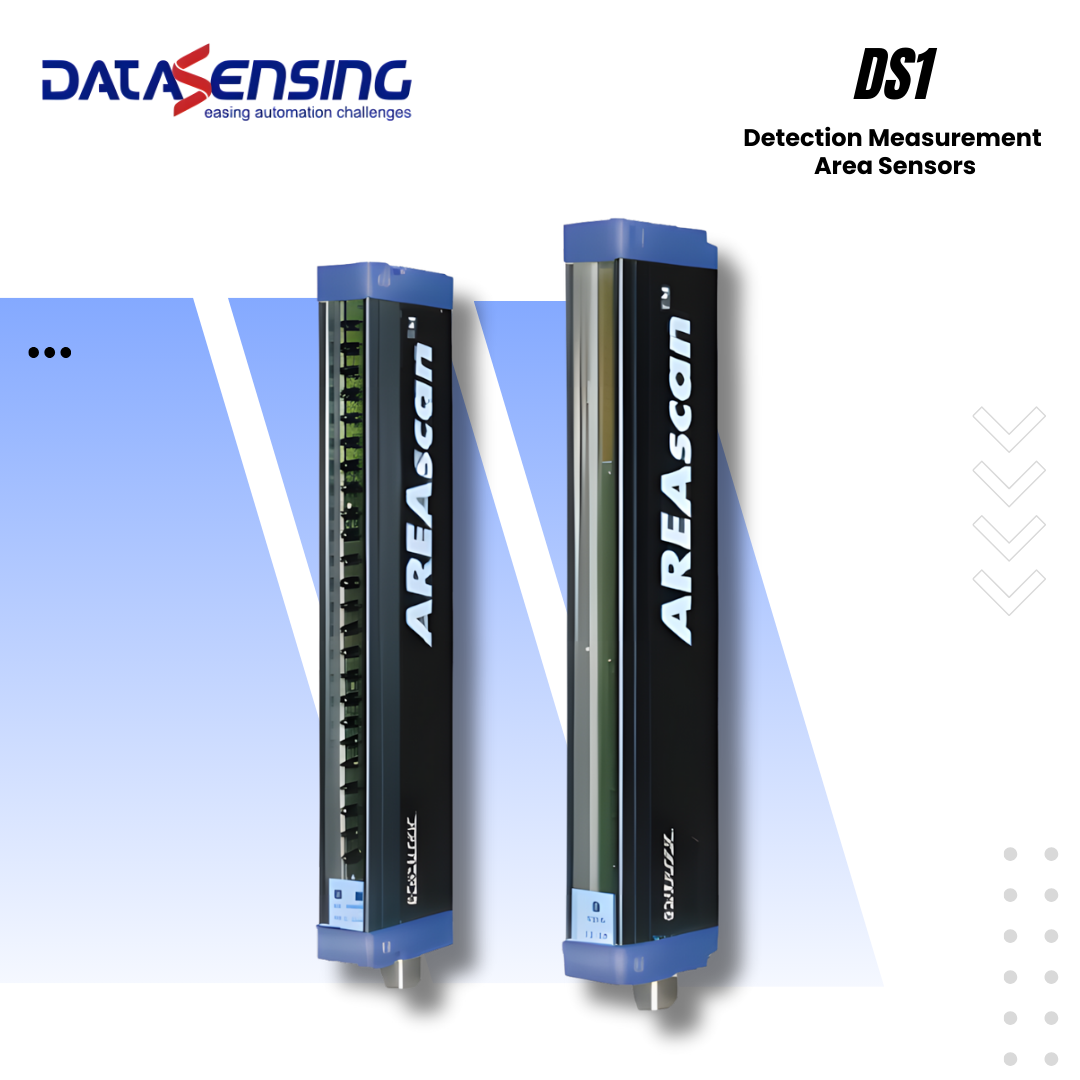
The DS1 Series are slim multi-beam detection and measurement...