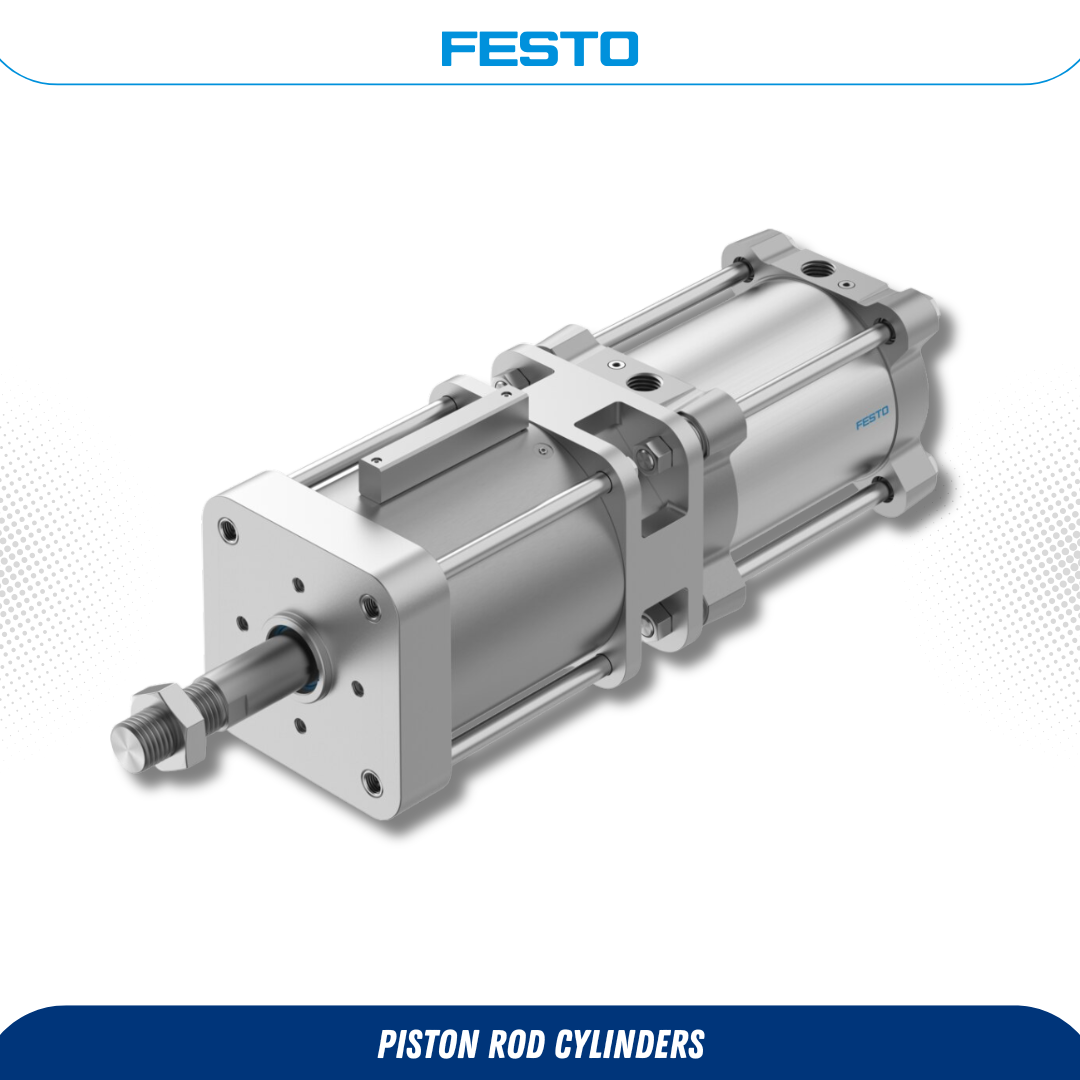
Piston Rod Cylinders
Festo piston rod cylinders are robust, high-precision pneuma...

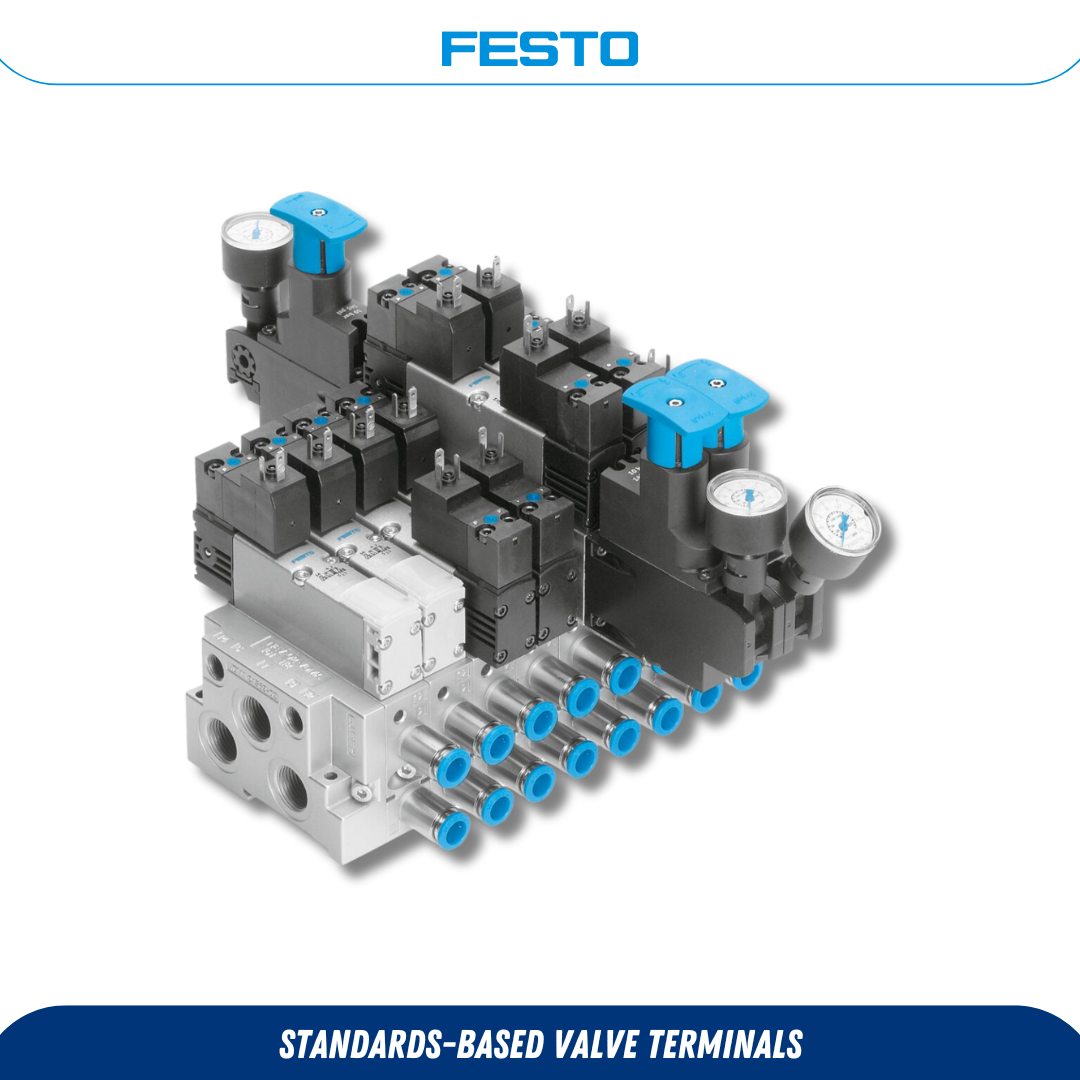
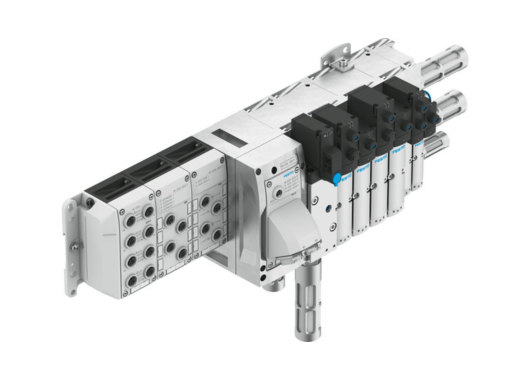
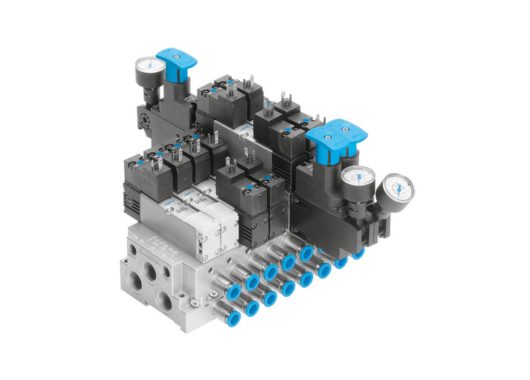
Festo’s standards-based valve terminals are engineered to provide efficient, centralized pneumatic control for modern automation systems. By integrating multiple directional control valves into one unified terminal block, these systems deliver cleaner installation, reduced piping, faster assembly, and simplified maintenance.
Built on global ISO standards, they ensure consistent performance, compatibility, and interchangeability across a wide range of industrial machinery. Valve terminals support both electrical and pneumatic actuation options, providing excellent flexibility for new installations and upgrades.
⭐ Important: Standards-based valve terminals deliver centralized pneumatic control, high modularity, and ISO compatibility—making them a core component in advanced automation environments.
Standards-based valve terminals combine several valves, flow channels, electrical interfaces, and pneumatics into a single compact unit. This design reduces tubing complexity and minimizes wiring by consolidating multiple solenoids into a shared electrical connector or bus system.
Available in multiple configurations—such as 3/2-way, 5/2-way, and 5/3-way valves—they support a broad range of actuators and motion profiles commonly used in industrial automation.
Festo offers various terminal families with options such as:
• ISO-compliant valve platforms
• Electric or pneumatic actuation
• Manifold-mounted valve inserts
• Modular expansion for additional stations
• High-flow variants for demanding pneumatic loads
• Multiple electrical interfaces (depending on family)
These terminals are designed for reliability, reduced leakage, and long service life, making them ideal for continuous-duty industrial applications.
⭐ Important: Modular construction allows engineers to expand or reconfigure valve terminals without redesigning the entire pneumatic system.
(Applied to the functional coverage of valve terminal families)
Full pneumatic control capability achieved through a wide selection of valve types, station counts, and module sizes.
Ensures complete operational coverage for multi-axis machines, packaging lines, conveyor systems, and robotic automation.
Designed to maintain stable airflow distribution across all stations—even during simultaneous valve switching under load.
(Translated as: port sizes, flow capacity, voltage and actuation options)
Valve terminals support varied flow ratings, port sizes, and actuation voltages, allowing perfect alignment with machine requirements.
Configurable options include:
• Station counts ranging from small clusters to large multi-valve arrays
• 3/2, 5/2, and 5/3 switching functions
• Electrical actuation with common industrial voltages (24V DC preferred)
• Pneumatic piloting for high-flow valves
• High-flow versions with increased nominal width
• Manual override options
• Isolation plates for independent pressure zones
This flexibility ensures optimized performance for speed, force delivery, compact layout, or energy efficiency.
⭐ Important: Broad configuration options allow valve terminals to be precisely customized for complex machine architectures.
Internal flow channels, spool assemblies, and pilot circuits ensure synchronized activation across all connected valves.
Electrical and pneumatic bus systems maintain consistent command timing, supporting high-precision automation tasks.
Provides stable, repeatable switching performance even in high-speed or multi-axis environments where timing accuracy is critical.
• Centralized pneumatic control with reduced tubing and wiring
• Efficient modular design allowing fast assembly and scaling
• High flow performance suitable for demanding industrial applications
• Long operating life thanks to durable sealing and spool mechanisms
• Streamlined maintenance and easy valve replacement
• ISO-standard interfaces ensure global compatibility
Applications: Industrial automation, packaging systems, assembly machines, robotics, conveying equipment, pick-and-place systems, and complex multi-axis control platforms.
Parameter | Standards-Based Valve Terminal (ISO-Compliant) | Modular / Electrically or Pneumatically Actuated Terminal |
|---|---|---|
| Product Type | Standards-based pneumatic valve terminal | Multi-valve terminal with electrical/pneumatic actuation |
| Valve Functions | 3/2, 5/2, 5/3 switching variants | Solenoid-actuated or pneumatically piloted valves |
| Operating Mode | Electric or pneumatic piloting | 24V DC solenoid actuation or pneumatic pilot control |
| Typical Port Sizes | ISO-standard porting / manifold ports | G1/8, G1/4, G3/8 depending on module size |
| Station Capacity | Multi-station modular array | Expandable based on terminal platform |
| Flow Capacity | Medium to high depending on nominal width | High-flow variants available |
| Operating Pressure Range | Typically 6–10 bar (model-dependent) | Same; varies by valve selection |
| Coil Voltage (Electric Models) | — | 24V DC standard (other voltages depending on platform) |
| Response Performance | High-speed spool switching | Fast electrical response with low energy use |
| Housing Material | Aluminium / composite depending on family | Same |
| Sealing Material | NBR or equivalent high-performance seals | Same |
| Mounting Options | ISO manifold, sub-base, or modular terminal rail | Modular expansion, plug-in stations |
| Typical Applications | Centralized pneumatic control, multi-axis machinery | Packaging, assembly, robotics, conveyor automation |
You may also like similar items from this category
Festo piston rod cylinders are robust, high-precision pneuma...
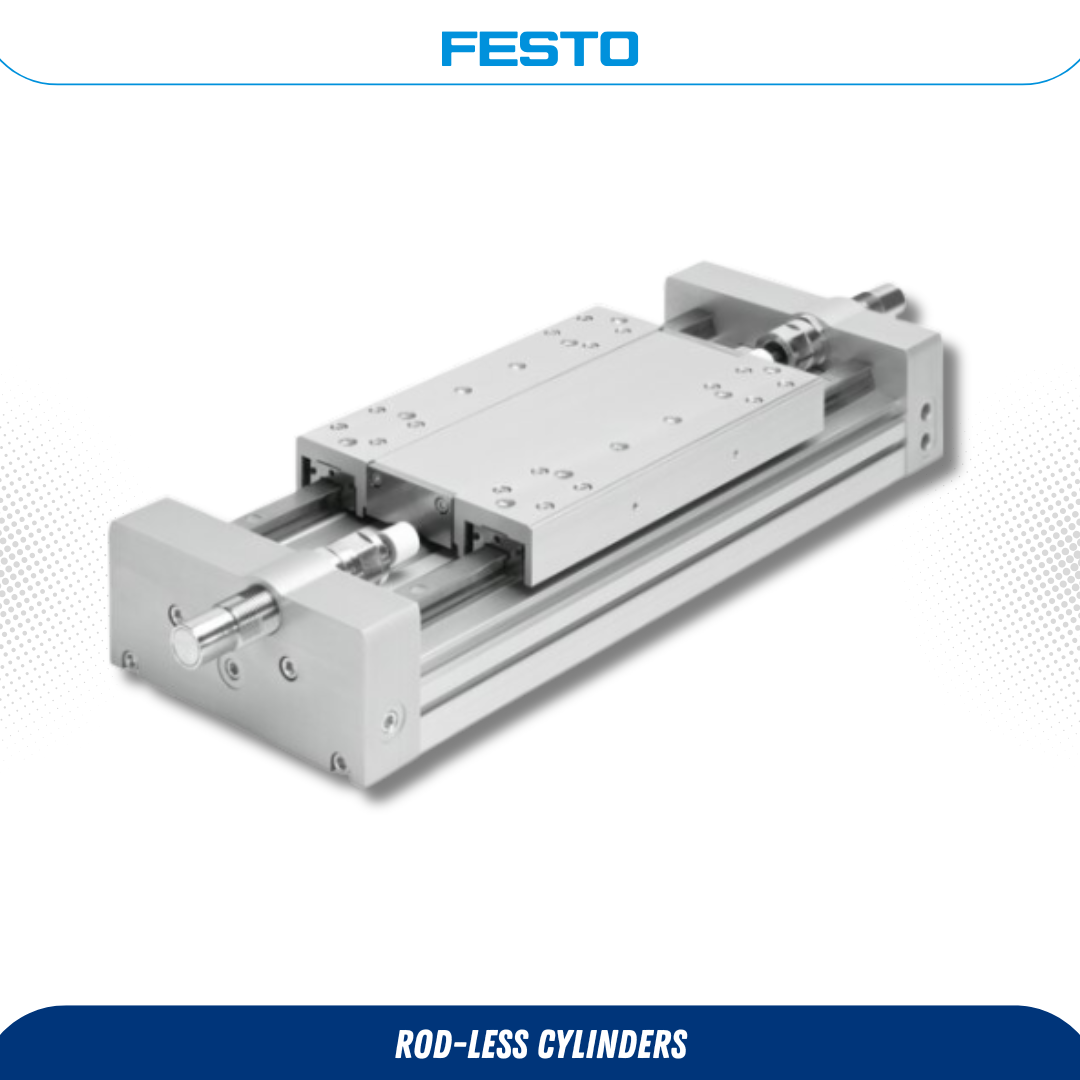
Festo Rodless Cylinders are compact, long-stroke pneumatic a...
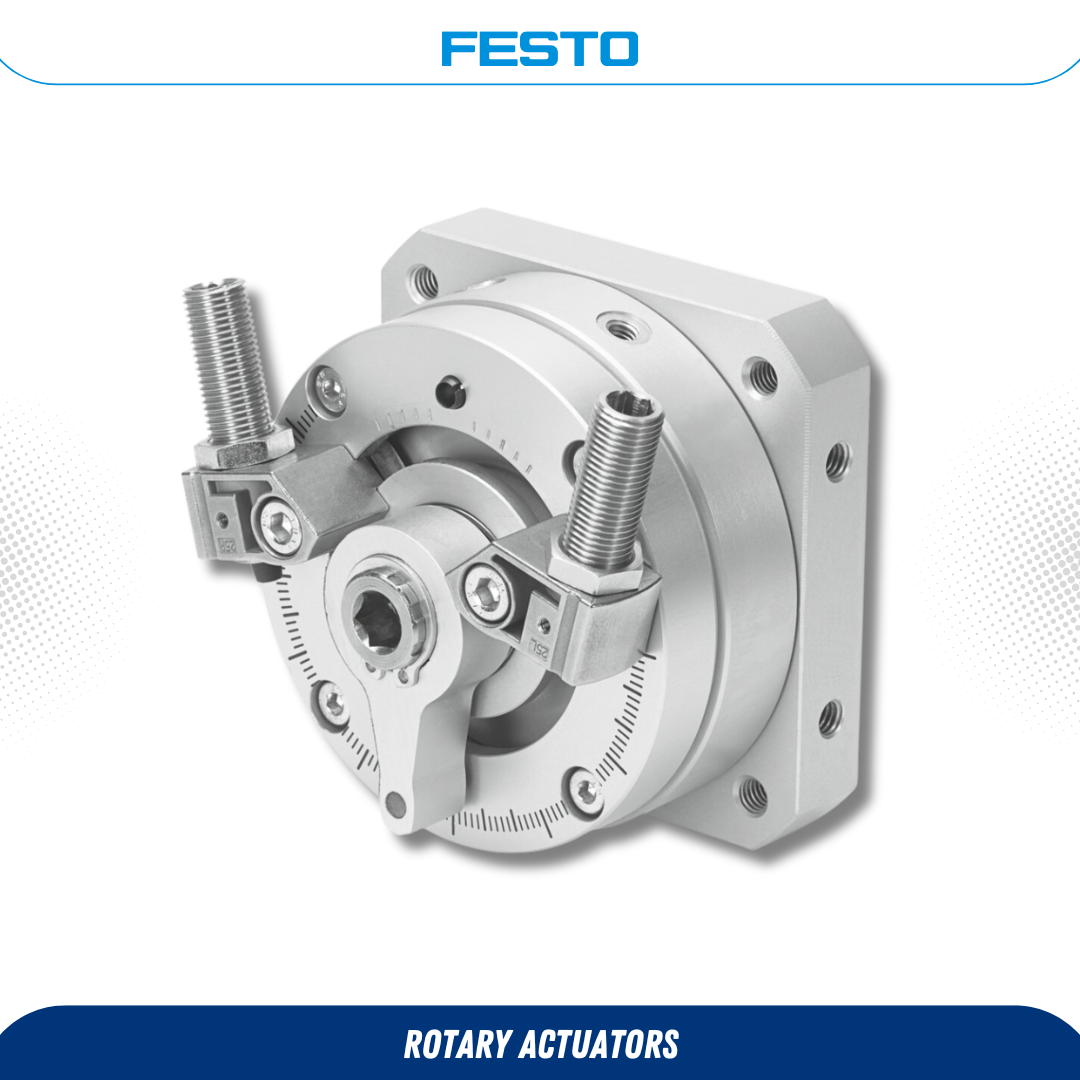
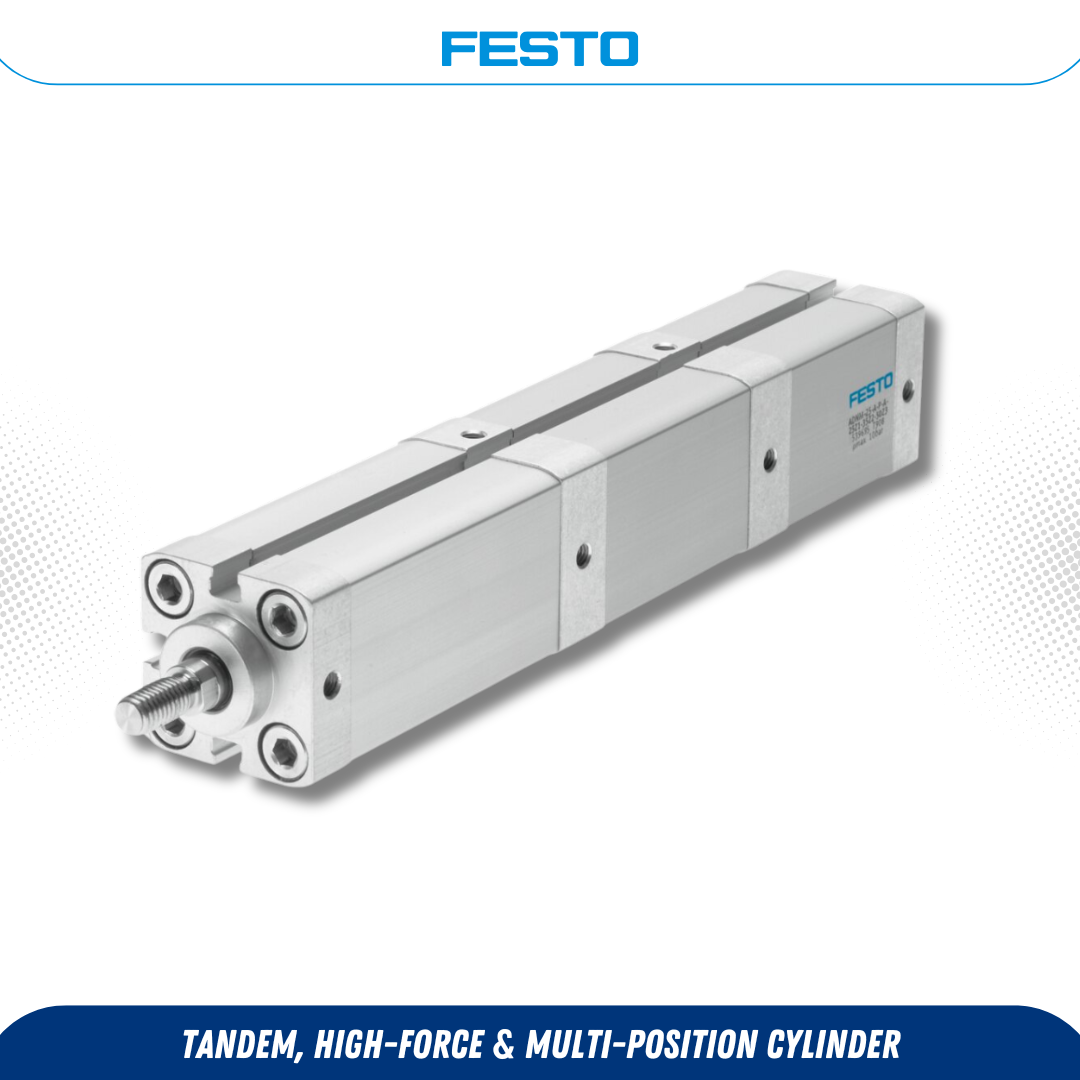
Festo tandem, high-force, and multi-position cylinders provi...
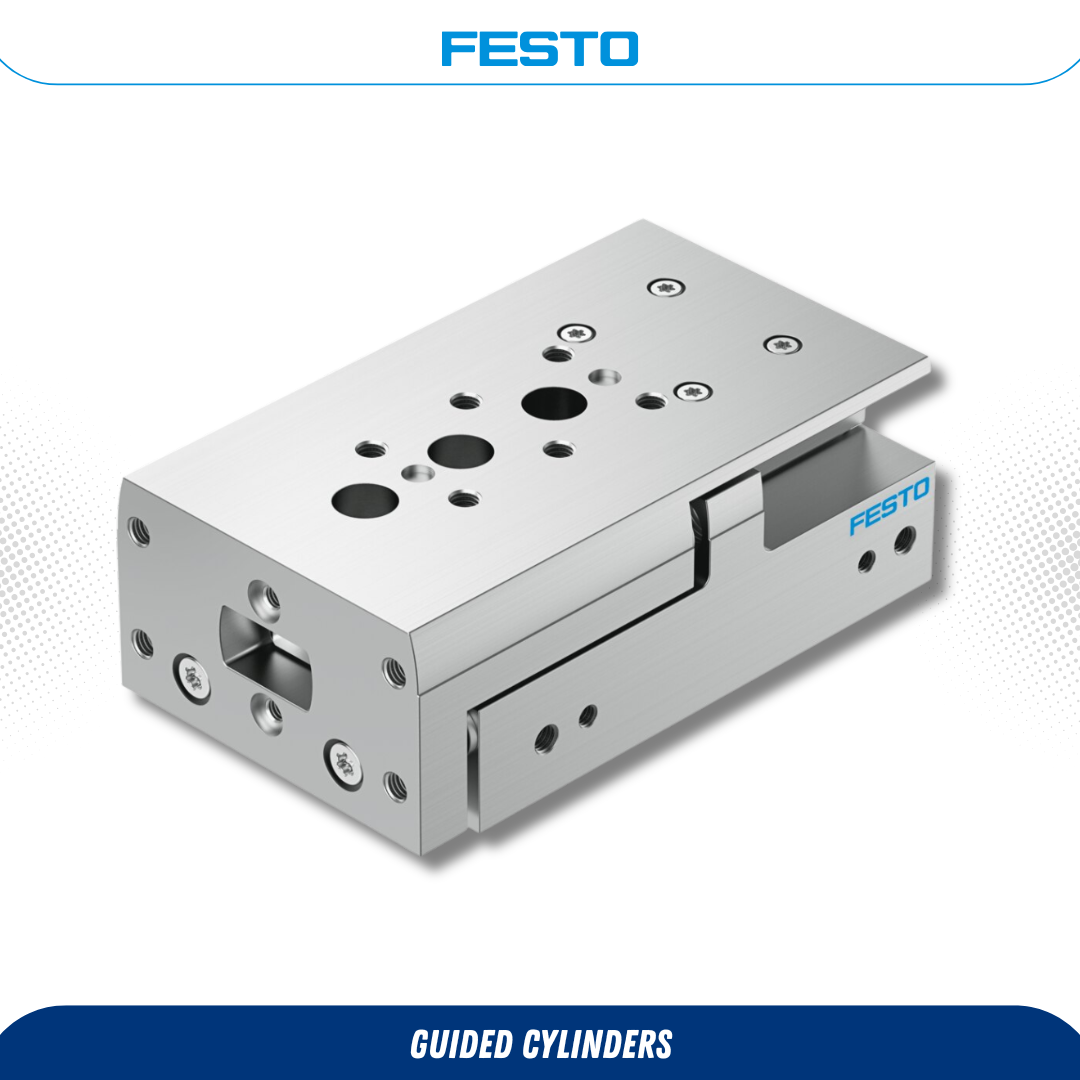
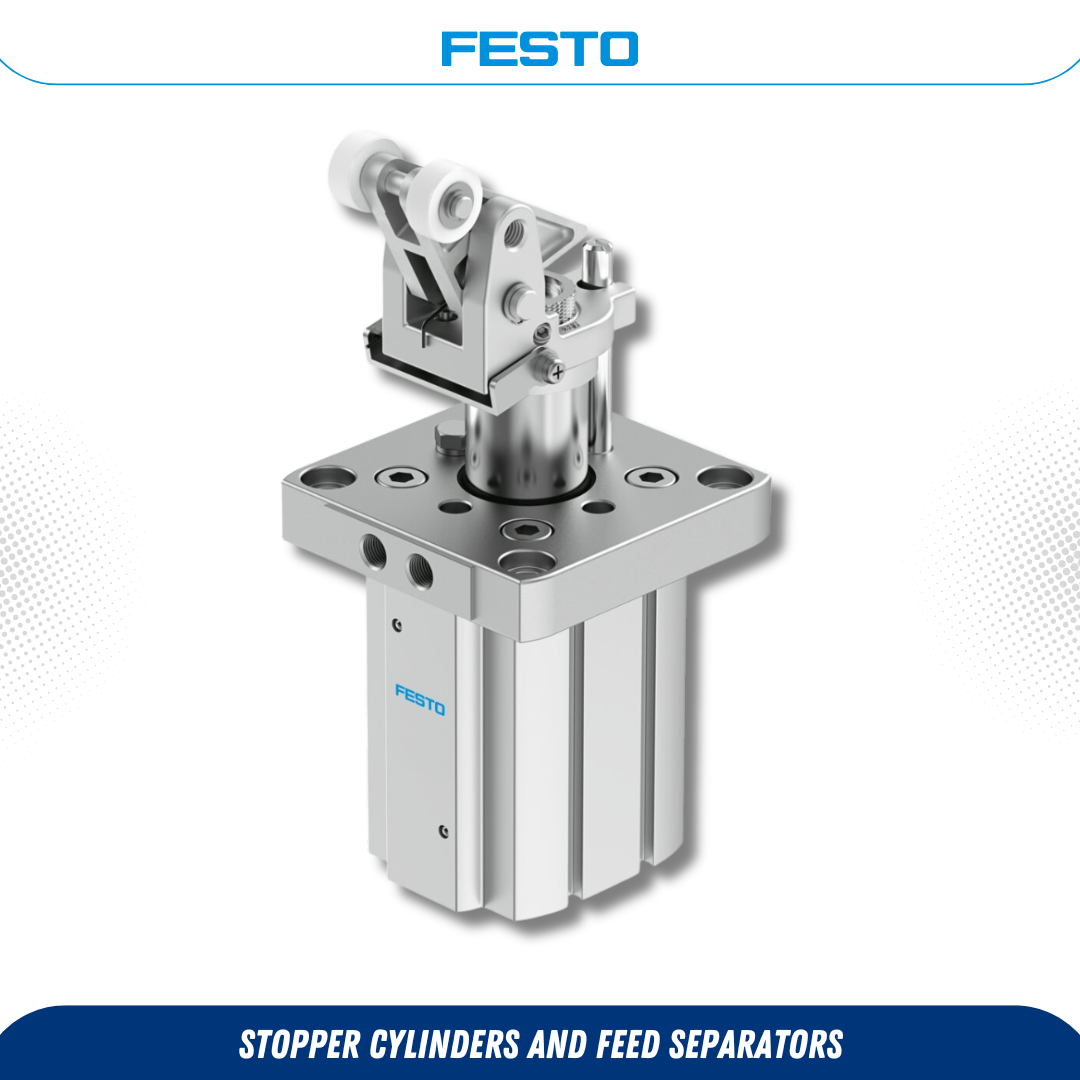
Festo Stopper Cylinders and Feed Separators are pneumatic un...
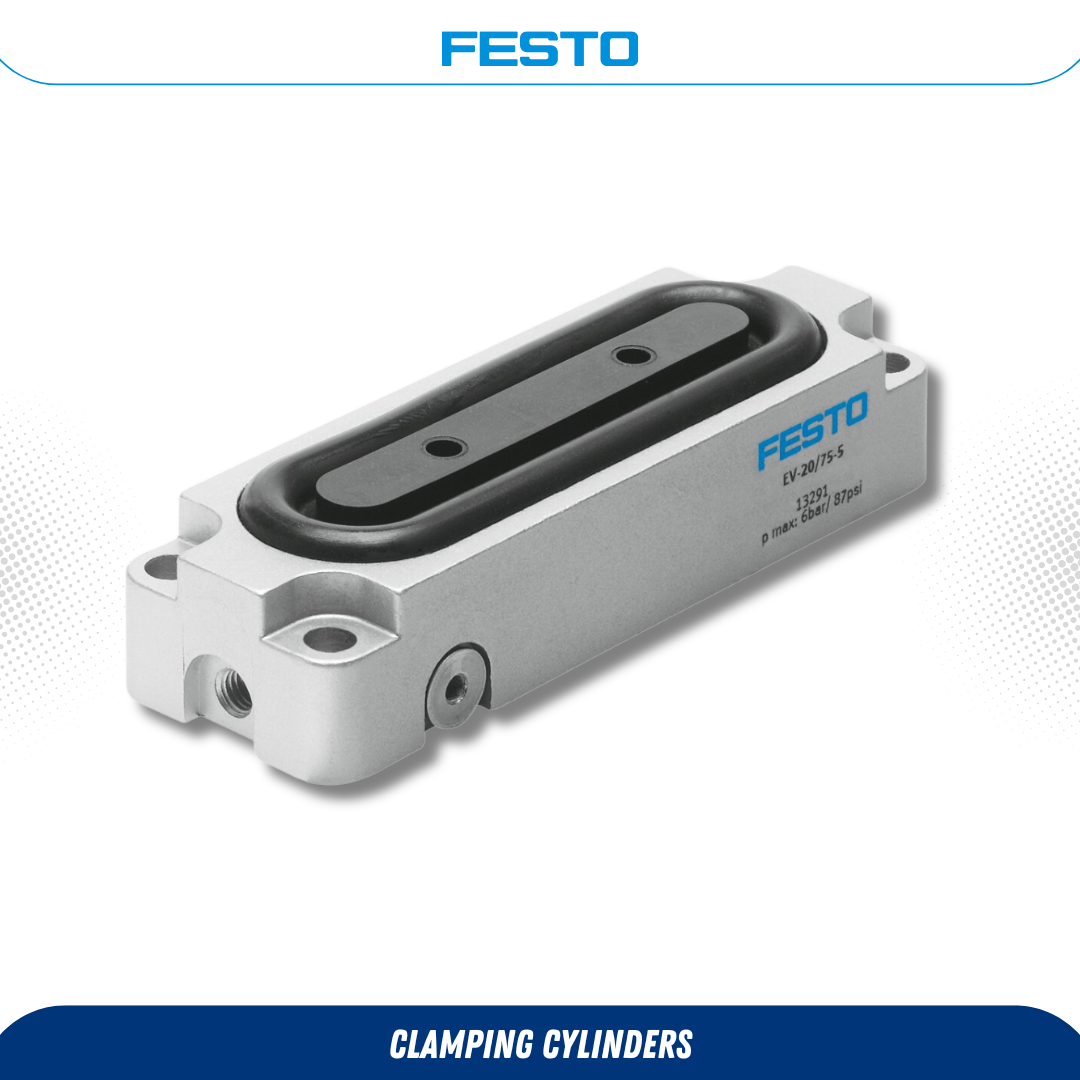
Festo Clamping Cylinders are specialized pneumatic actuators...
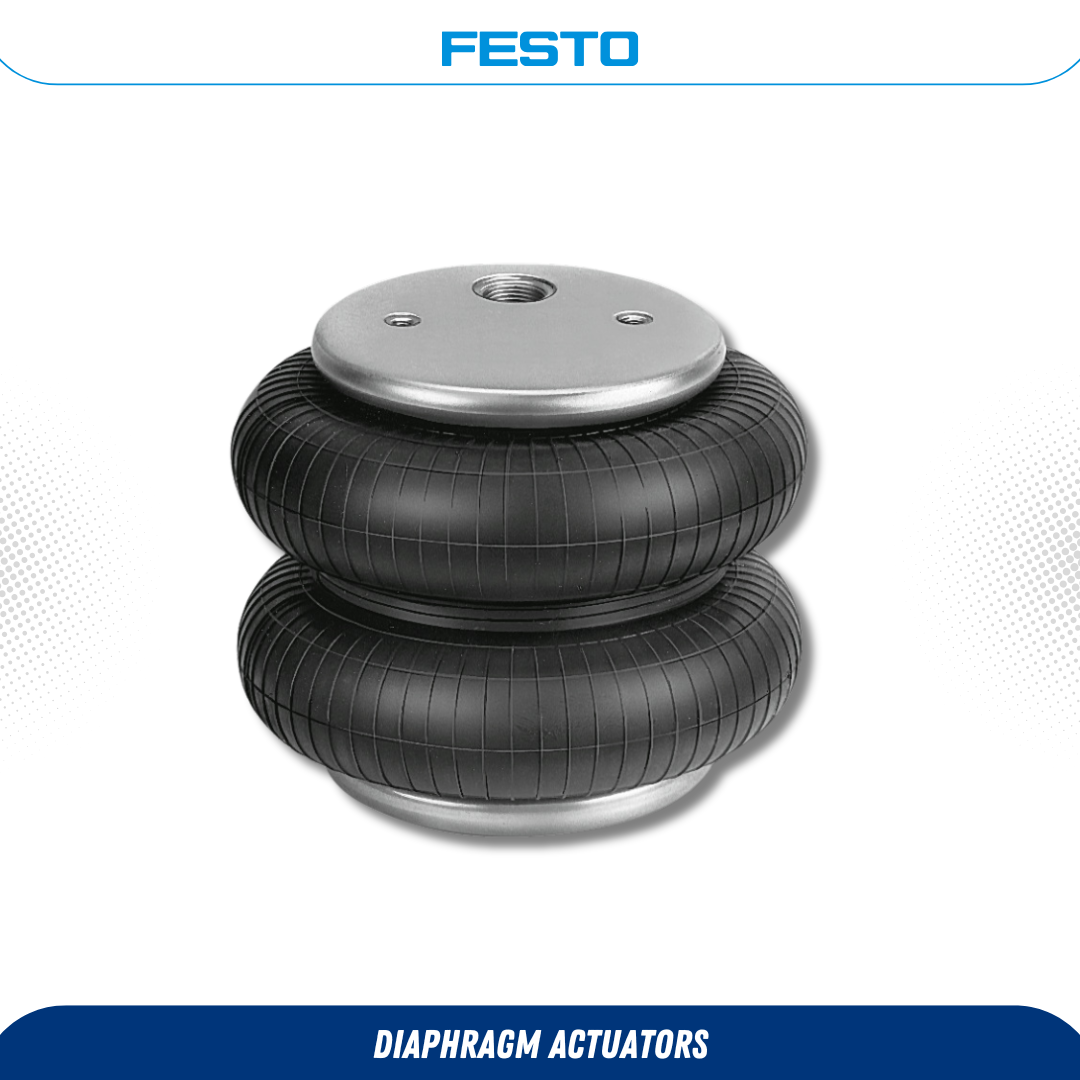
Festo Diaphragm Actuators are compact pneumatic drives desig...