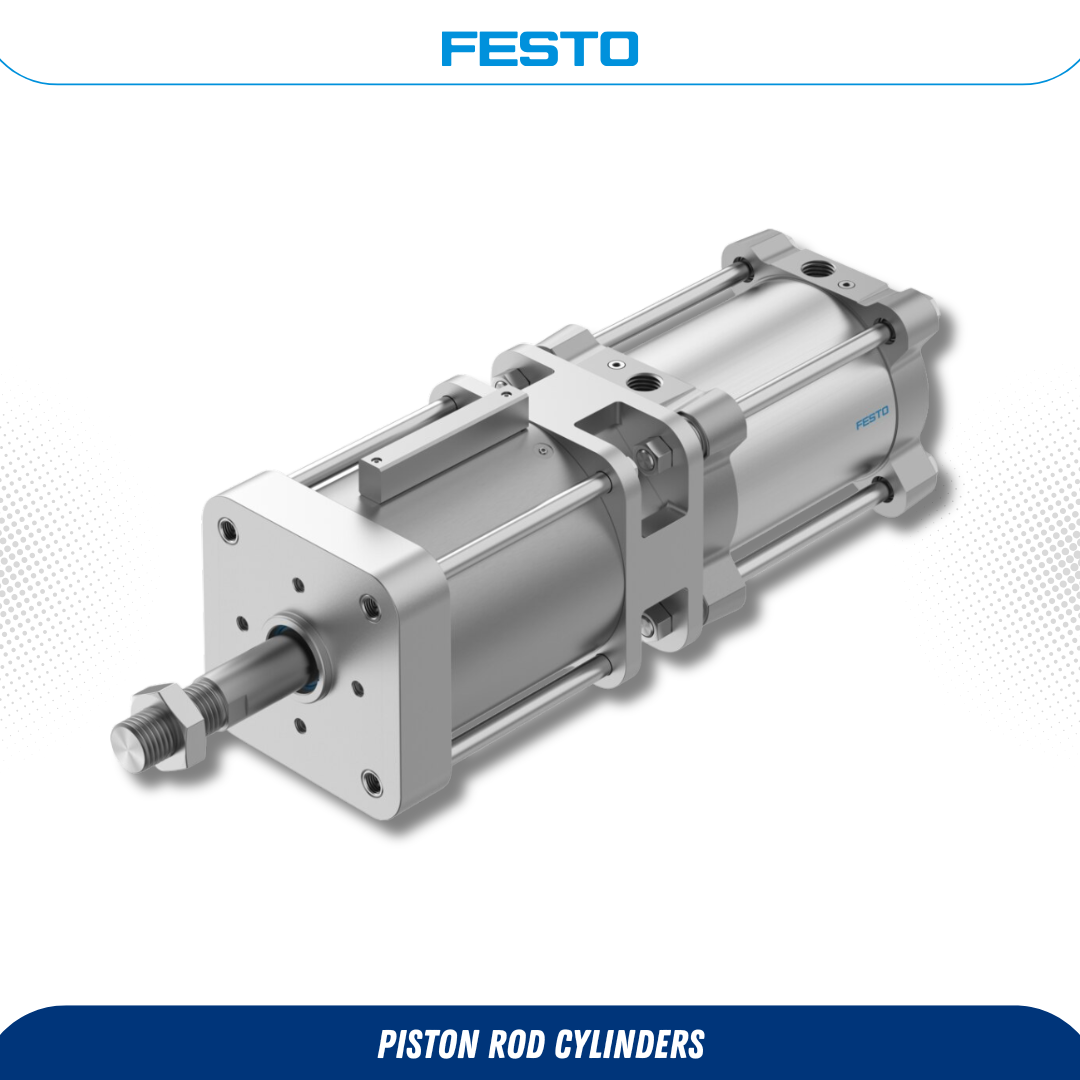
Piston Rod Cylinders
Festo piston rod cylinders are robust, high-precision pneuma...

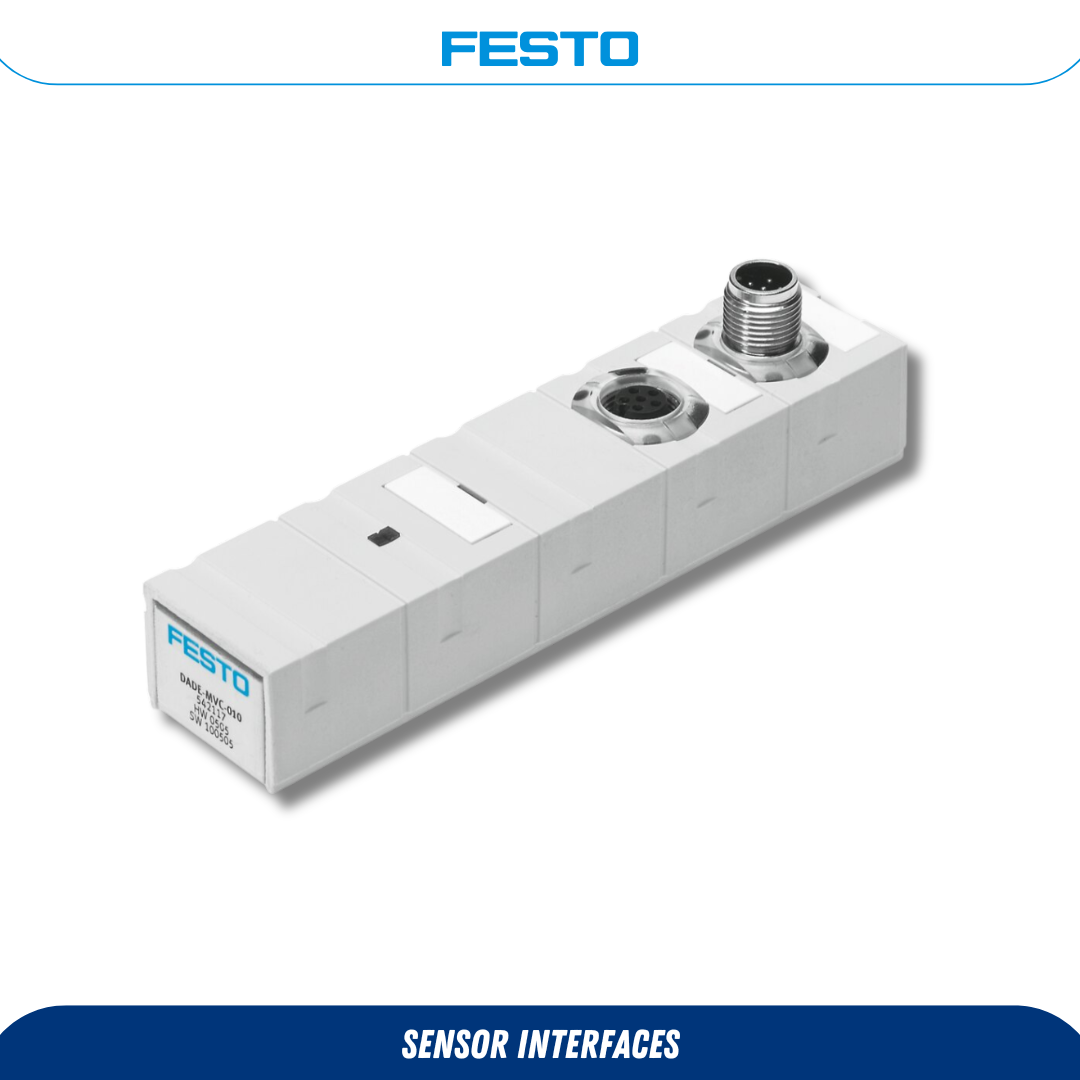
The Sensor Interfaces product family provides a series of electronic modules that act as a bridge between mechanical sensors (such as linear potentiometers, encoders, etc.) and control systems, enabling analogue/digital signal conditioning, fieldbus connectivity (e.g., IO-Link, CAN, EtherCAT) and integrating sensor signals into automation networks.
They are designed for automation systems where sensor signals must be converted, scaled, or communicated to controllers and higher-level systems, especially where pneumatic or servo-pneumatic drives are used and precise feedback is required.
⭐ Important: Sensor Interfaces enable seamless integration of sensor feedback into control systems, offering signal conditioning, fieldbus communication, and diagnostics in a compact electronic module.
⭐ Important: These modules deliver enhanced connectivity, signal processing, and automation readiness, elevating simple sensors into smart feedback systems.
(Concept adapted: complete signal path coverage and integration)
(Translated as variants in connection types, channel count, and communication interface)
Parameter | Sensor Interface – Analogue/Digital Module | Sensor Interface – Fieldbus/IO-Link Module |
|---|---|---|
| Product Type | Sensor interface module (analogue/digital) | Sensor interface module (fieldbus communication) |
| Sensor Input Types | Potentiometer, 0-10V, 4-20mA, incremental encoder | Same plus absolute encoder |
| Output Channels | 1–4 switching outputs + 1 analogue channel | Fieldbus communication + sensor value association |
| Communication Interface | Standard relay/analogue output | IO-Link, CANopen, EtherCAT |
| Mounting Format | DIN rail or panel mount | DIN rail or panel mount |
| Supply Voltage | 24 V DC typical | 24 V DC typical |
| Diagnostics | LED status indicators, error output | Parameterisation via software, status diagnostics |
| Channel Configuration | Configurable via DIP or software | Configurable via fieldbus or IO-Link, remote monitoring |
| Typical Applications | Position feedback modules, sensor conditioning | Networked sensor feedback for automation systems |
You may also like similar items from this category
Festo piston rod cylinders are robust, high-precision pneuma...
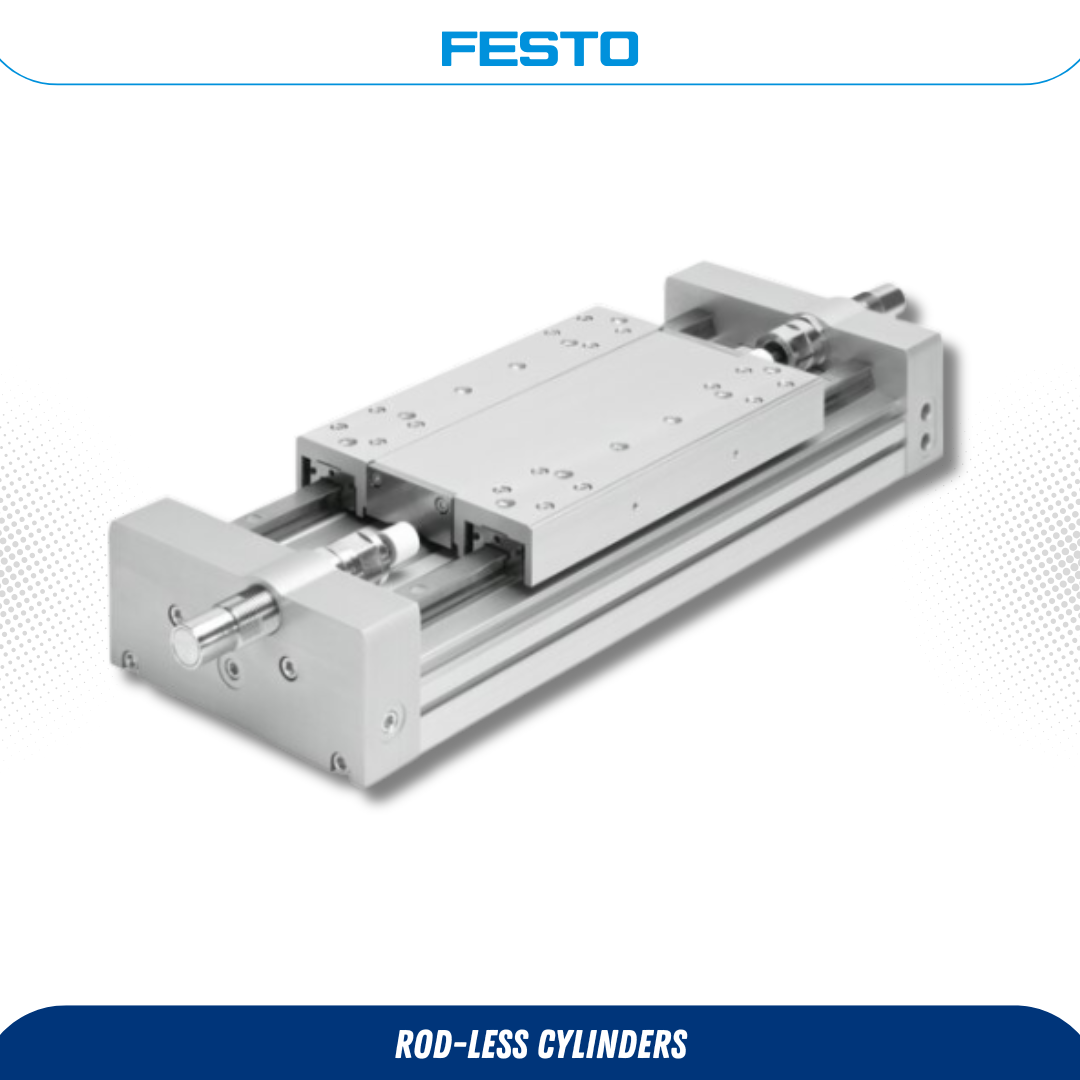
Festo Rodless Cylinders are compact, long-stroke pneumatic a...
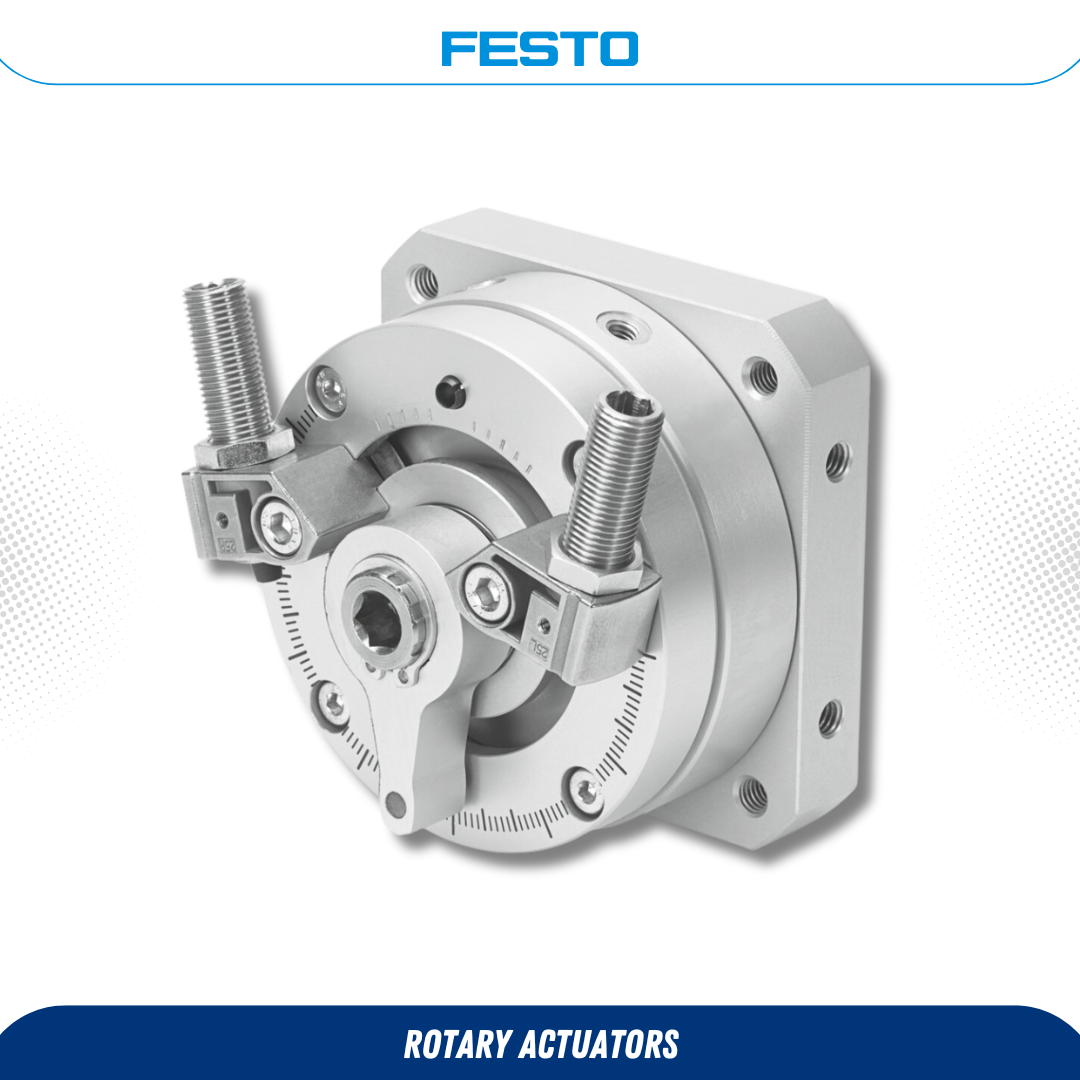
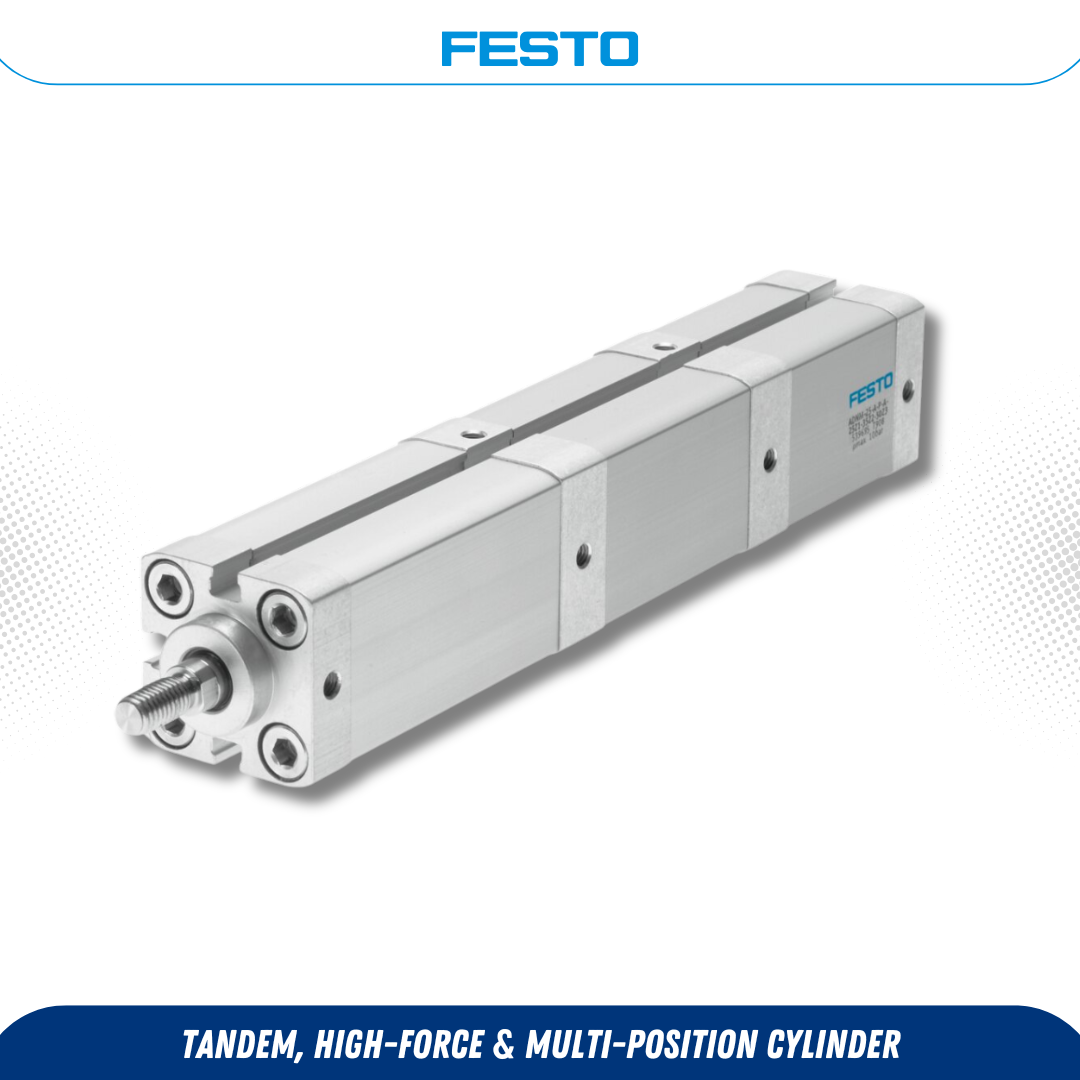
Festo tandem, high-force, and multi-position cylinders provi...
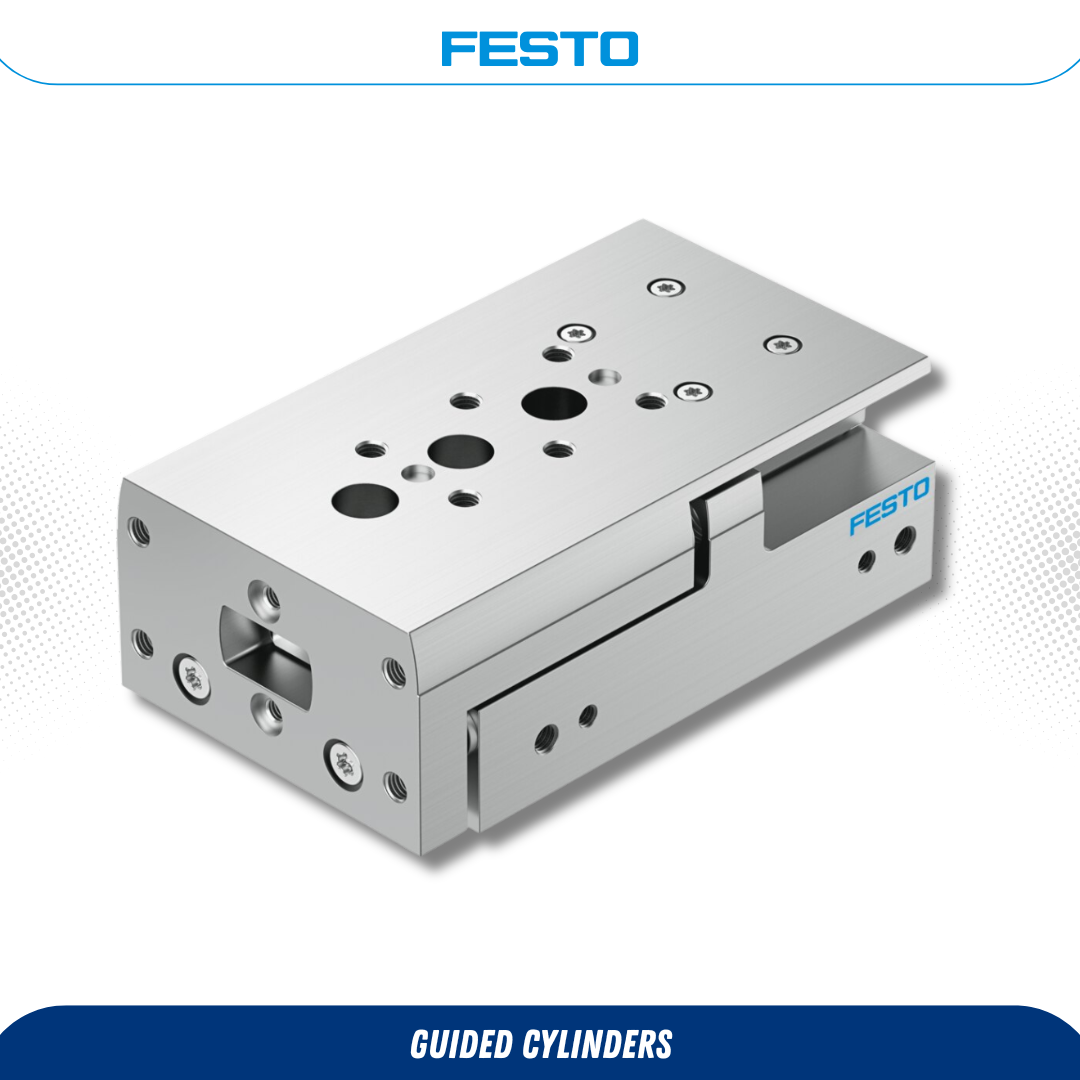
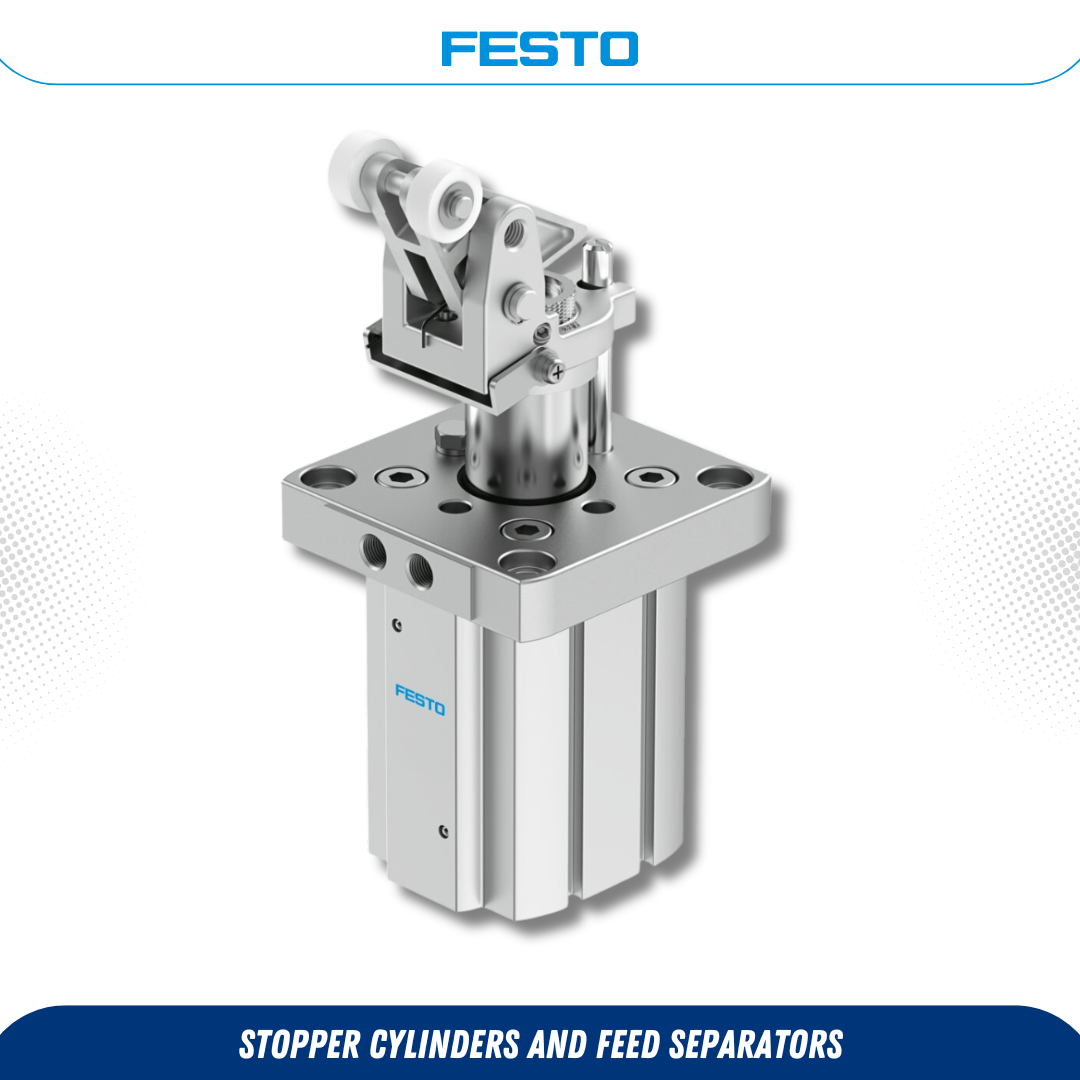
Festo Stopper Cylinders and Feed Separators are pneumatic un...
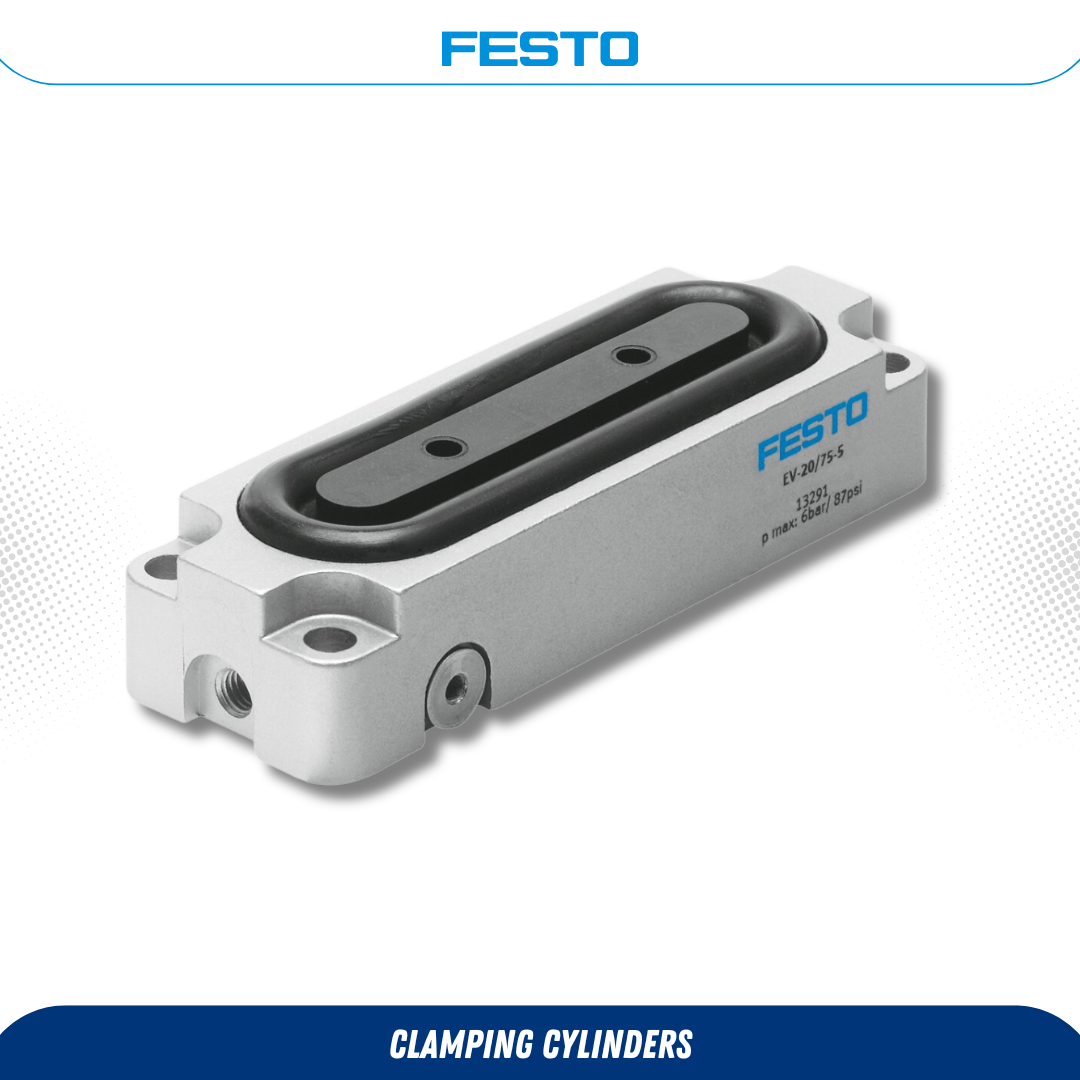
Festo Clamping Cylinders are specialized pneumatic actuators...
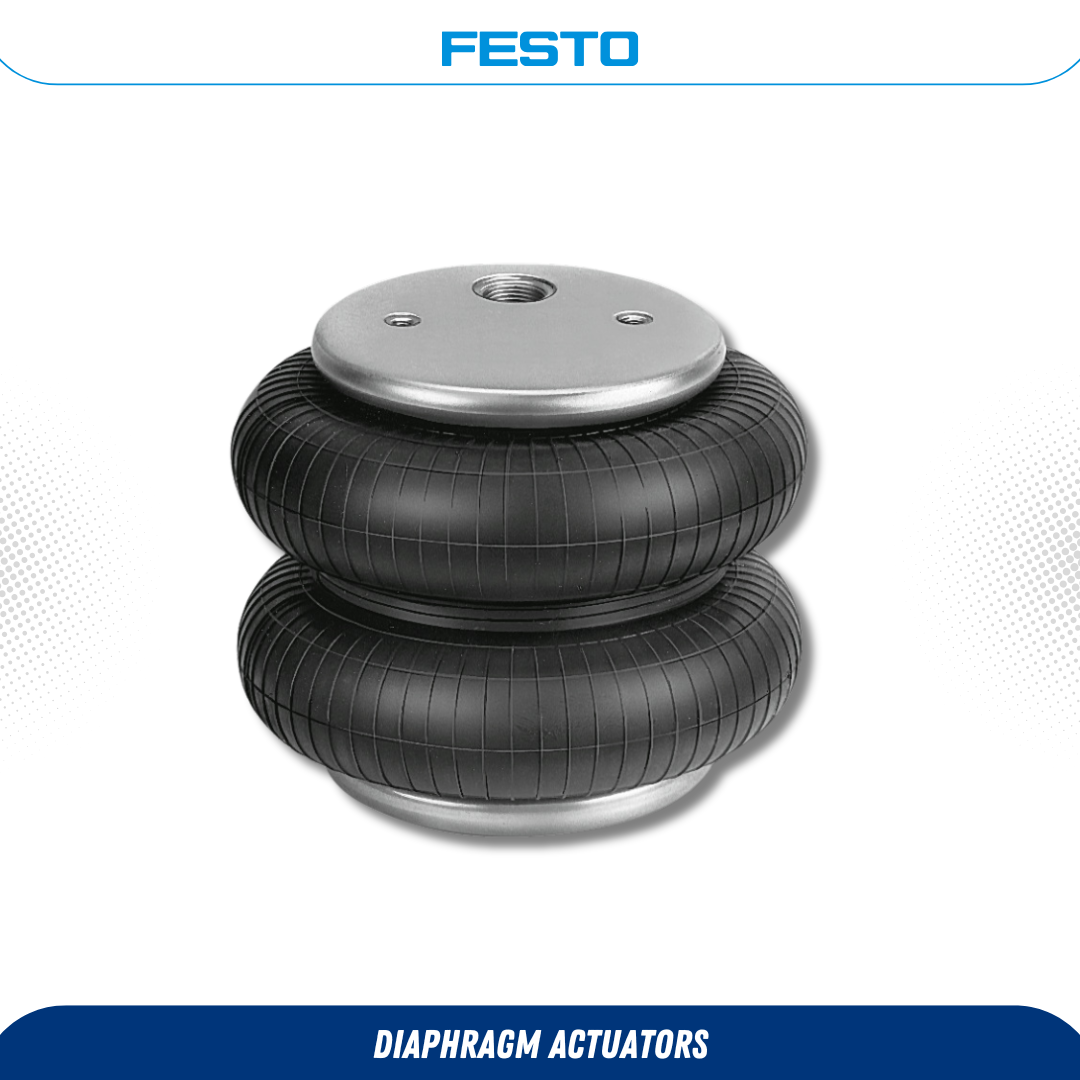
Festo Diaphragm Actuators are compact pneumatic drives desig...