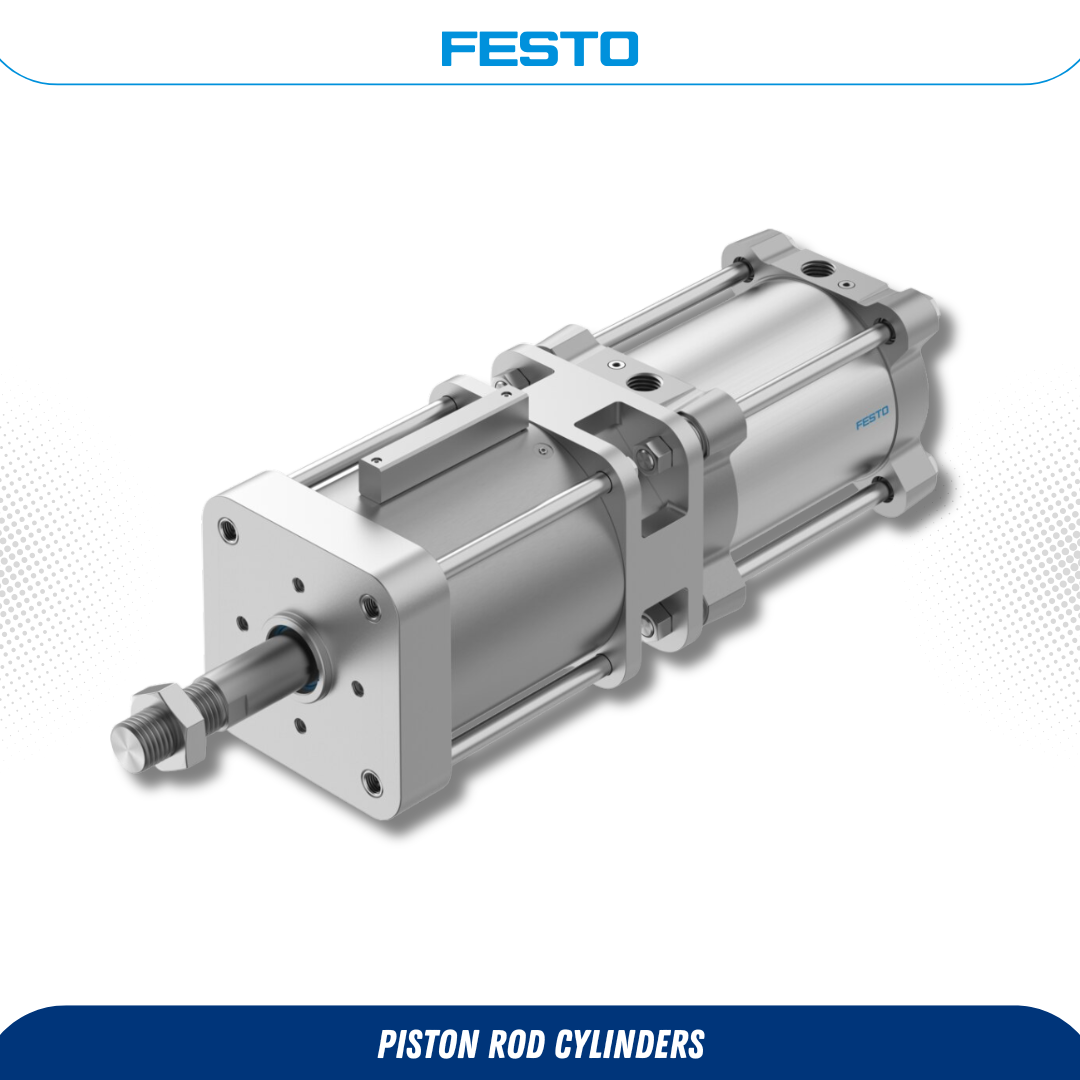
Piston Rod Cylinders
Festo piston rod cylinders are robust, high-precision pneuma...

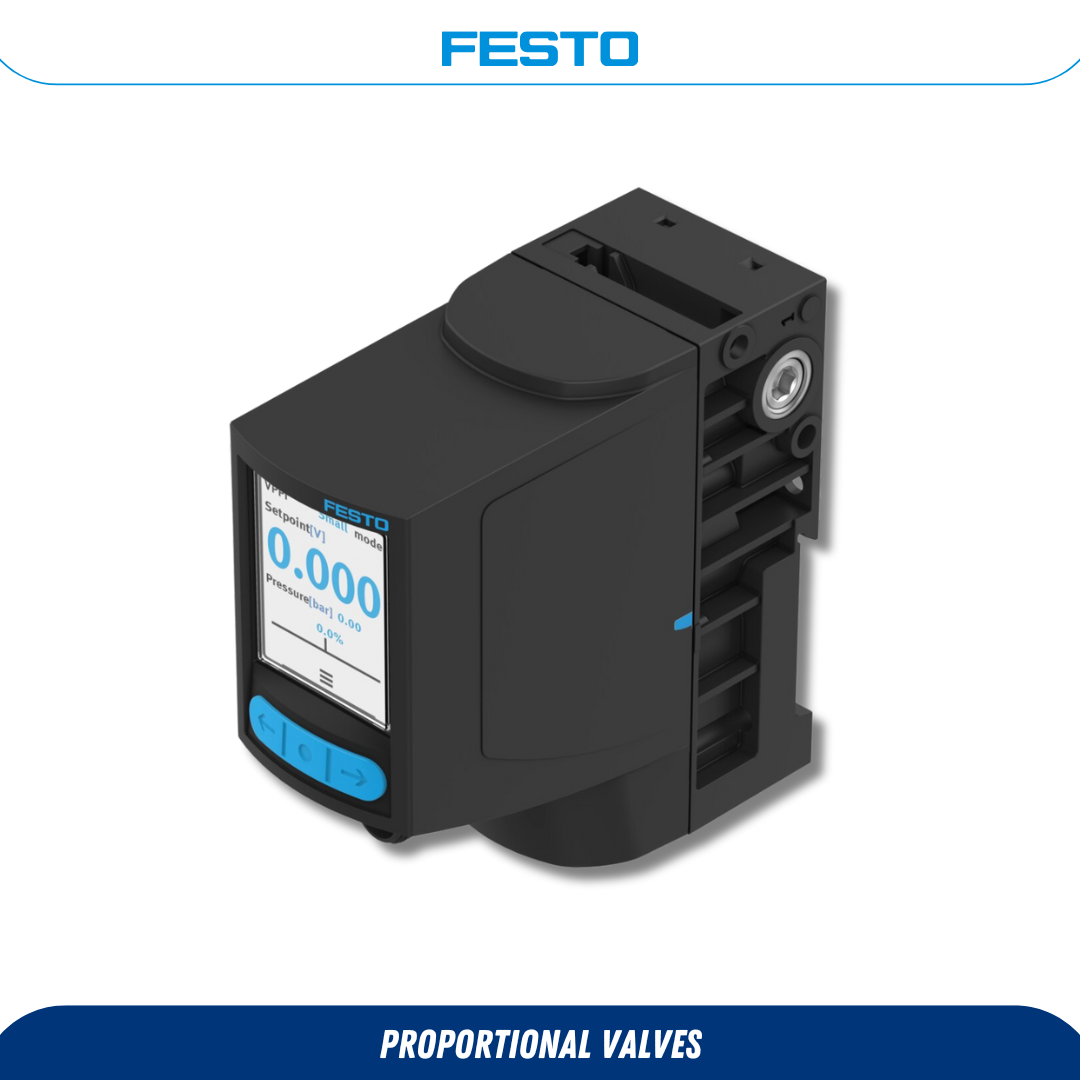
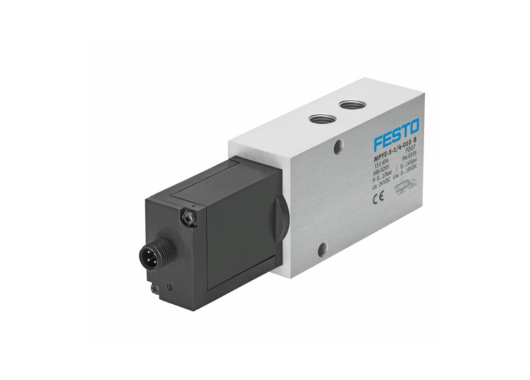
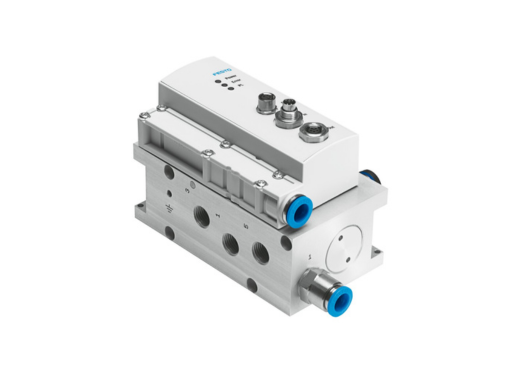
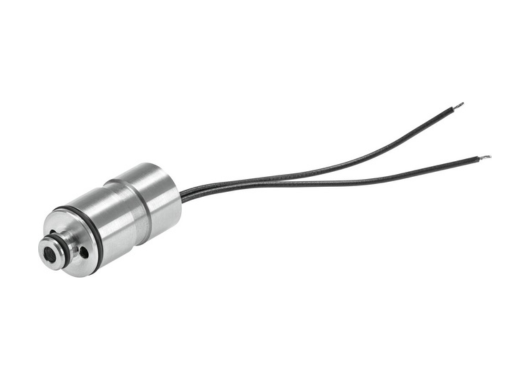
Proportional valves are advanced pneumatic control elements designed to regulate flow rate, pressure, or directional control continuously—rather than simple binary (on/off) switching. They translate an electrical set-point into a matching pneumatic output, enabling closed-loop control, dynamic regulation, and high repeatability across varied industrial applications.
These valves serve as the backbone of servo-pneumatic solutions, pneumatic positioning systems and precision flow/pressure regulation in automation, thus closing the gap between traditional pneumatics and motion-control systems.
⭐ Important: Proportional valves deliver precise regulation, smooth intermediate positioning, and integration into closed-loop control systems, making them essential for modern automation where performance and flexibility matter.
⭐ Important: Through integration of sensing, control electronics and proportional hydraulics/pneumatics, these valves provide motion-grade performance within pneumatic systems.
(Adapted concept: full regulation span rather than literal beams)
(Here interpreted as variants of valve size, flow capacity, control interfaces)
Parameter | Standard Proportional Valve | High Flow / Multi-Channel Proportional Valve |
|---|---|---|
| Product Type | Proportional control valve (flow/pressure) | Proportional valve terminal, multi-channel |
| Control Type | Analogue input (0-10 V, 4-20 mA) | Analogue / digital interface / fieldbus |
| Flow Rate / Nominal Width | ~100 … 1000 l/min depending on model | ~1000 … 2000 l/min or more (spool valve series) |
| Pressure Range | Up to ~6 bar (typical pneumatic) | Similar or higher depending on design |
| Response Time | Fast – high dynamic regulation | Very fast – designed for servo-pneumatic motion |
| Actuation Principle | Electric command drives spool or diaphragm | Electric command + integrated sensors/feedback |
| Mounting Format | Single valve or sub-base manifold | Valve terminal with up to 10 channels or more |
| Diagnostic / Feedback | Optional integrated sensors (pressure/position) | Integrated diagnostic functions, auto-identification |
| Typical Applications | Flow/pressure regulation, pneumatic positioning | Multi-channel automation, controlled force/torque systems |
You may also like similar items from this category
Festo piston rod cylinders are robust, high-precision pneuma...
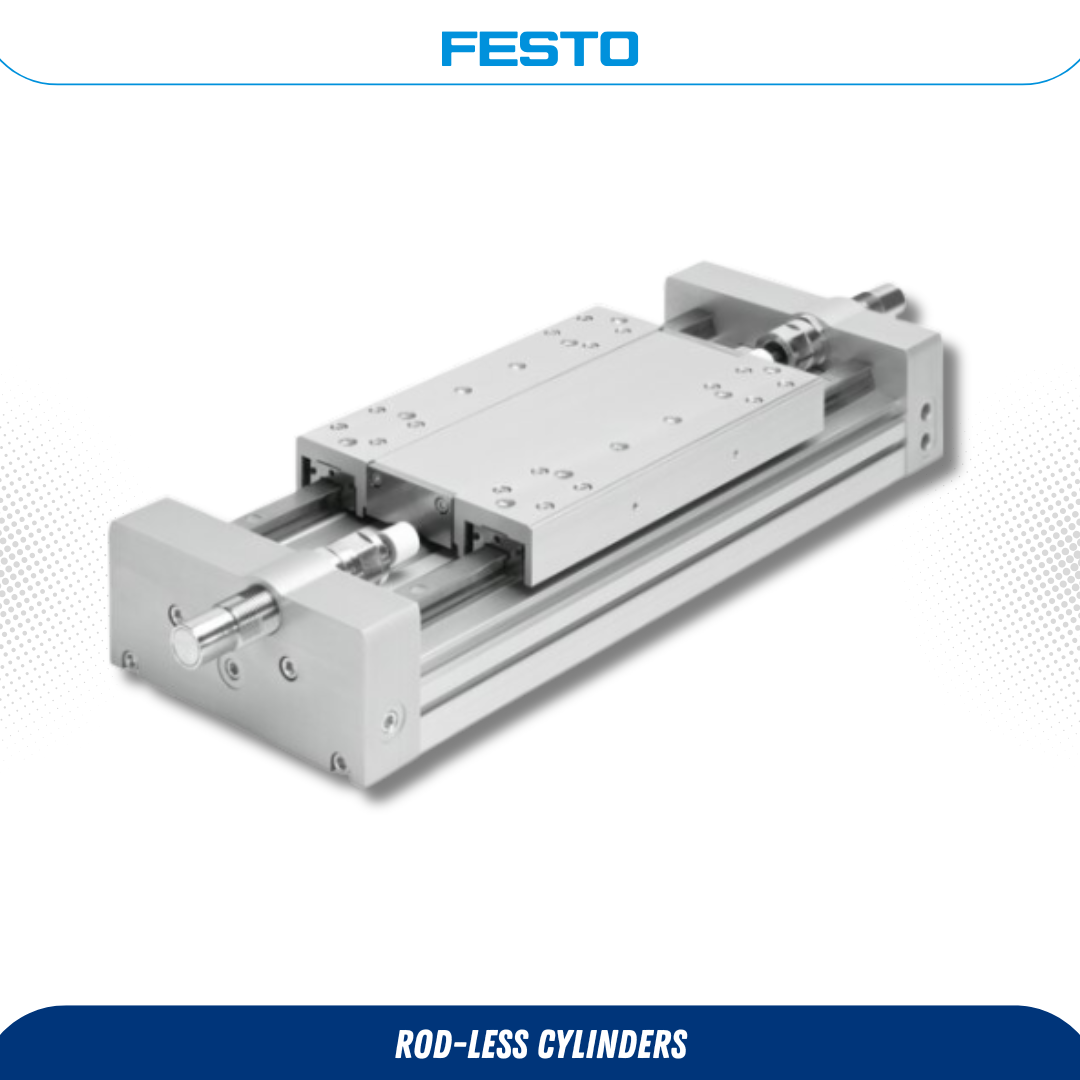
Festo Rodless Cylinders are compact, long-stroke pneumatic a...
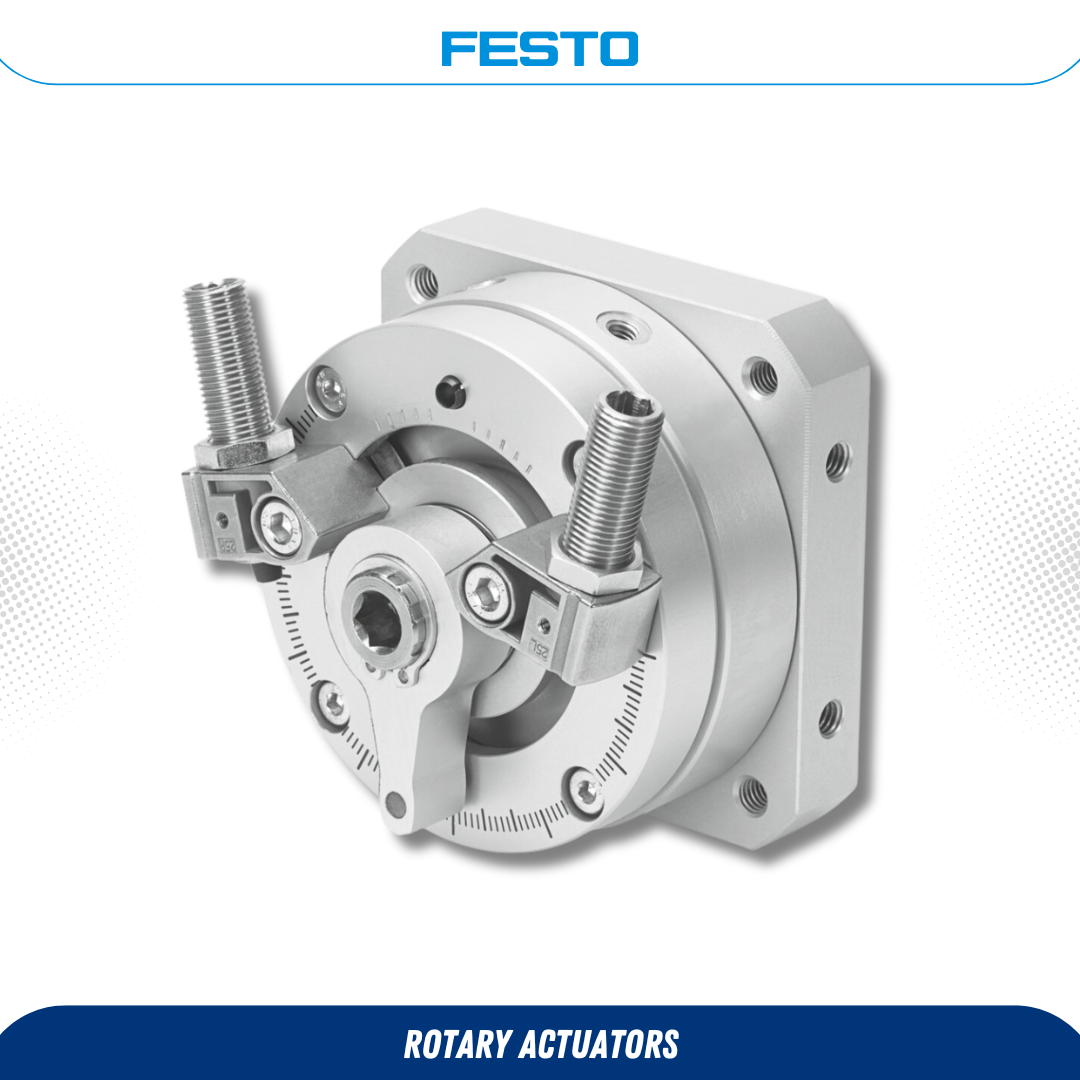
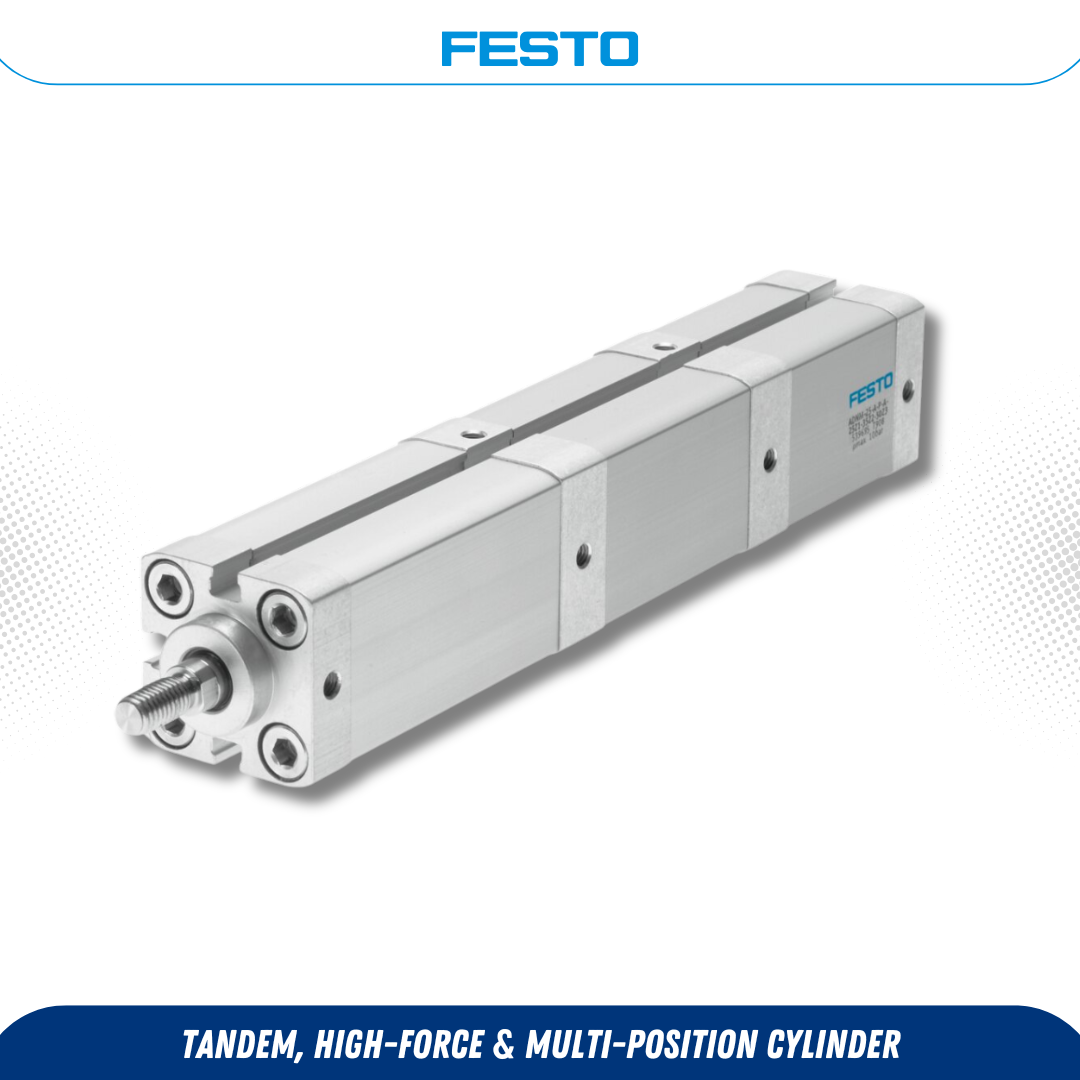
Festo tandem, high-force, and multi-position cylinders provi...
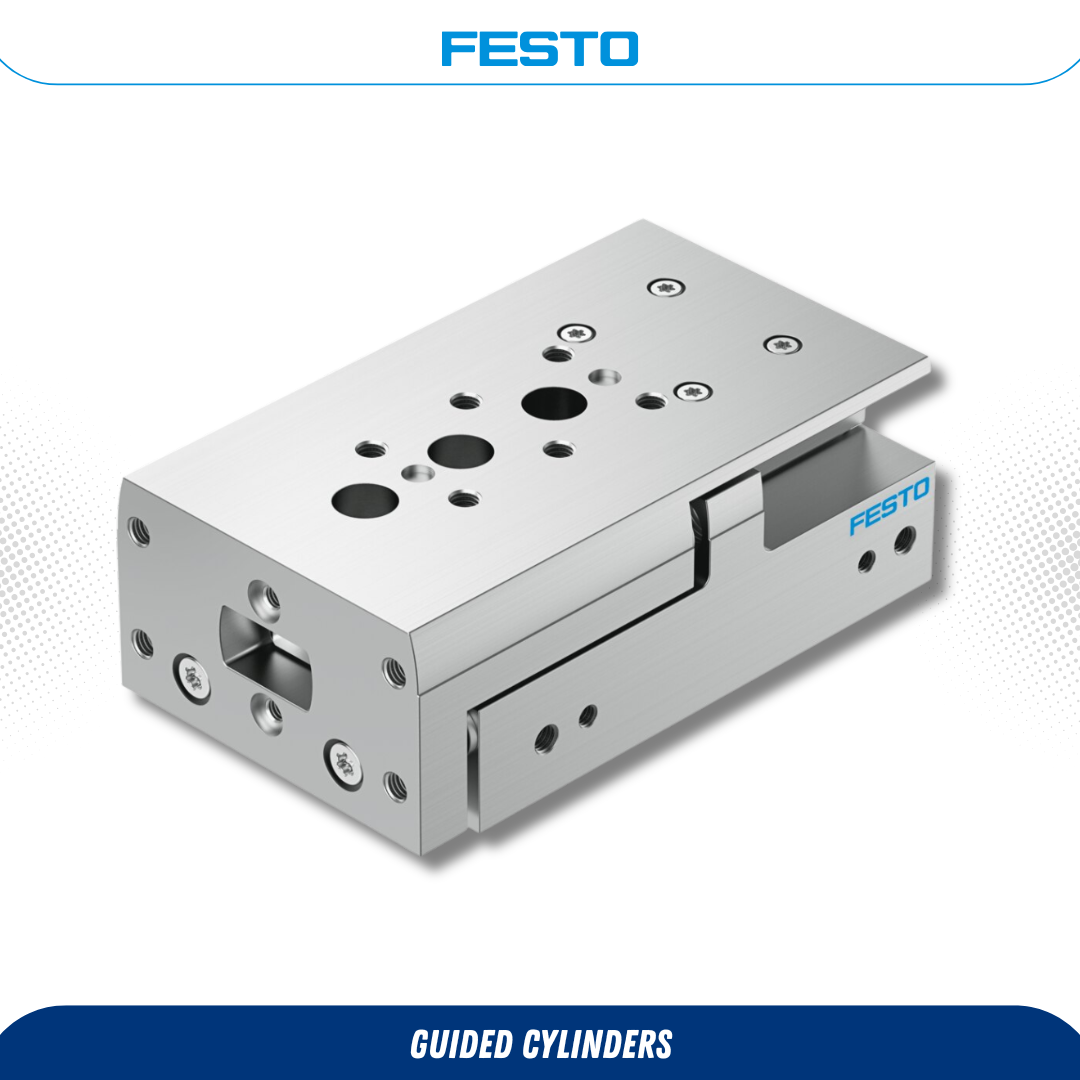
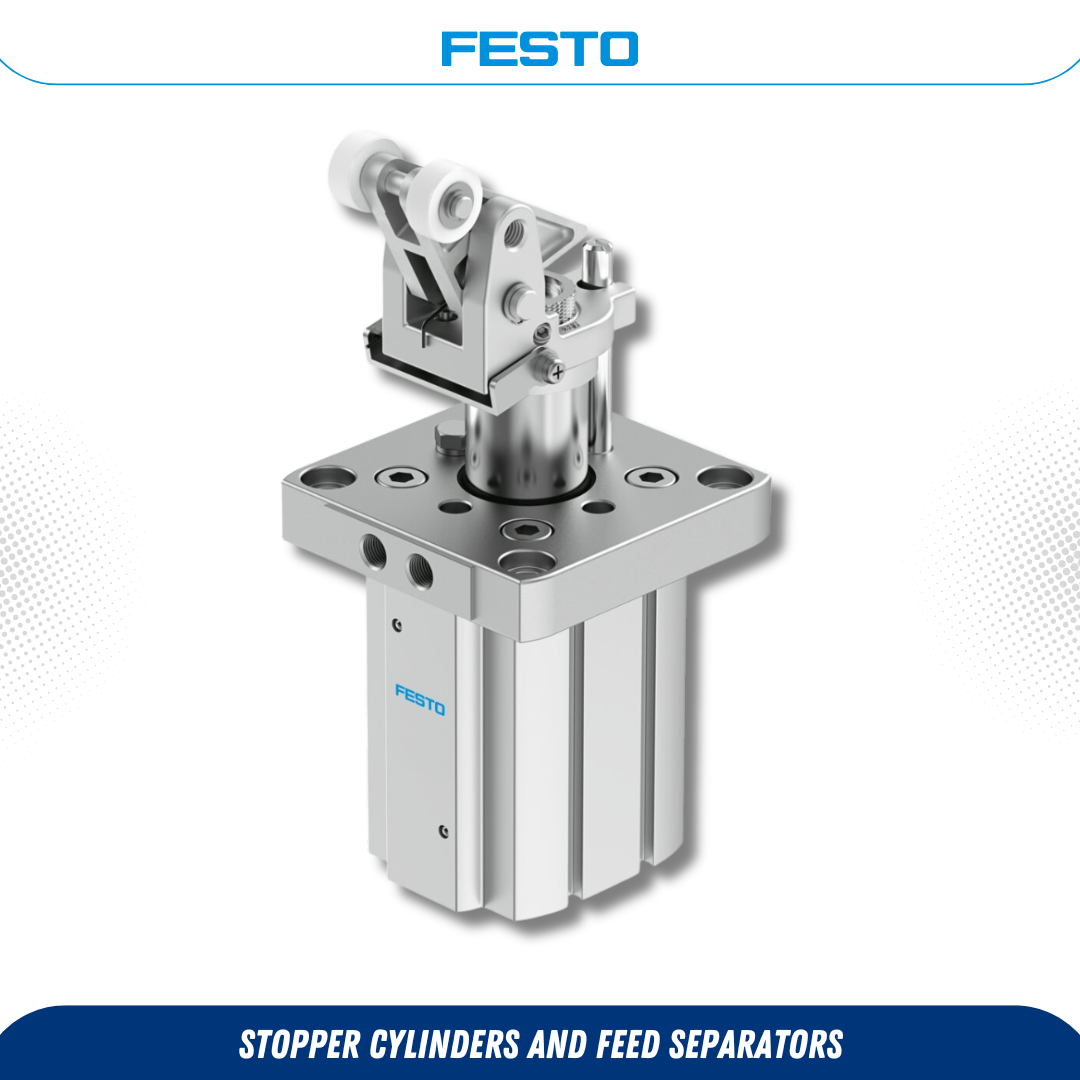
Festo Stopper Cylinders and Feed Separators are pneumatic un...
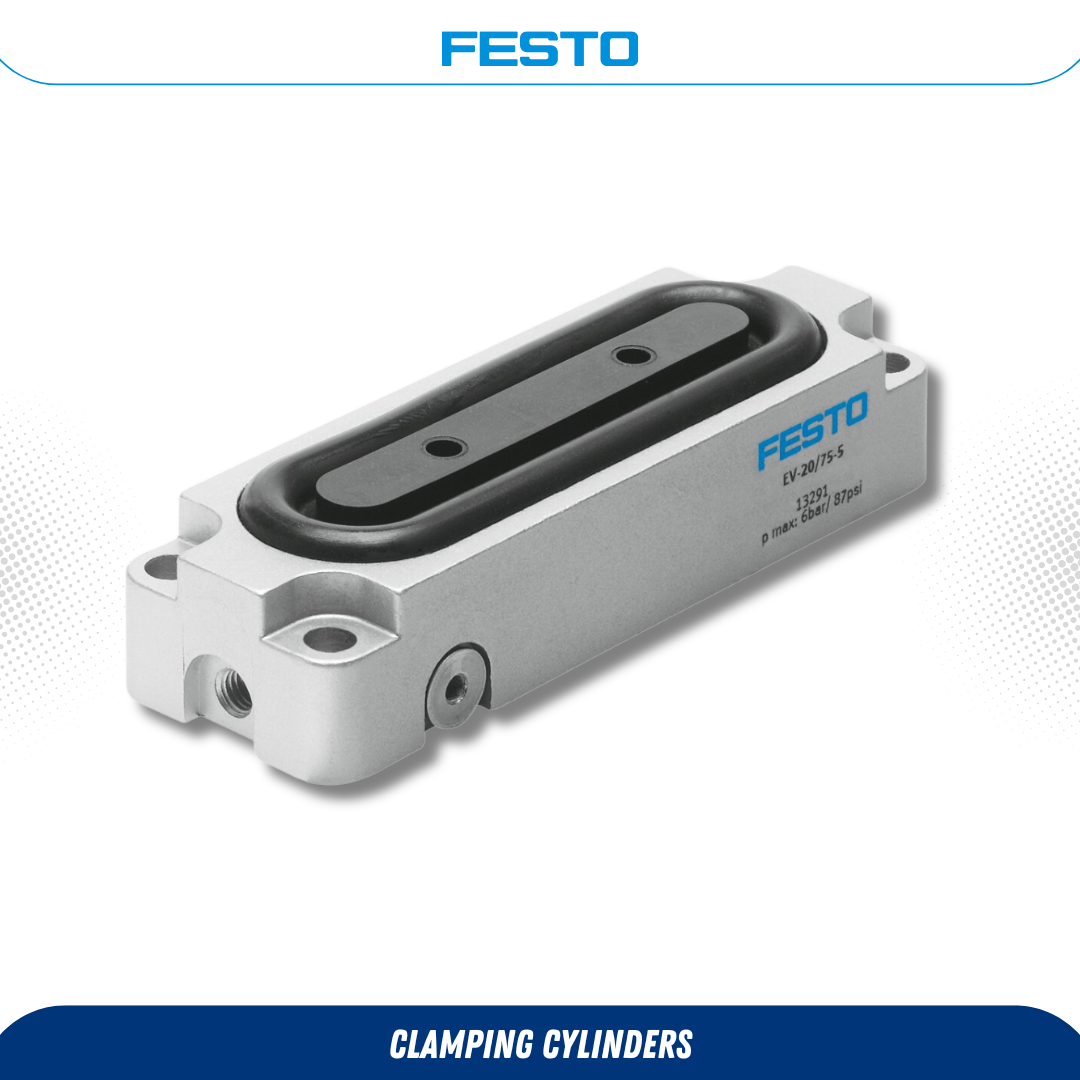
Festo Clamping Cylinders are specialized pneumatic actuators...
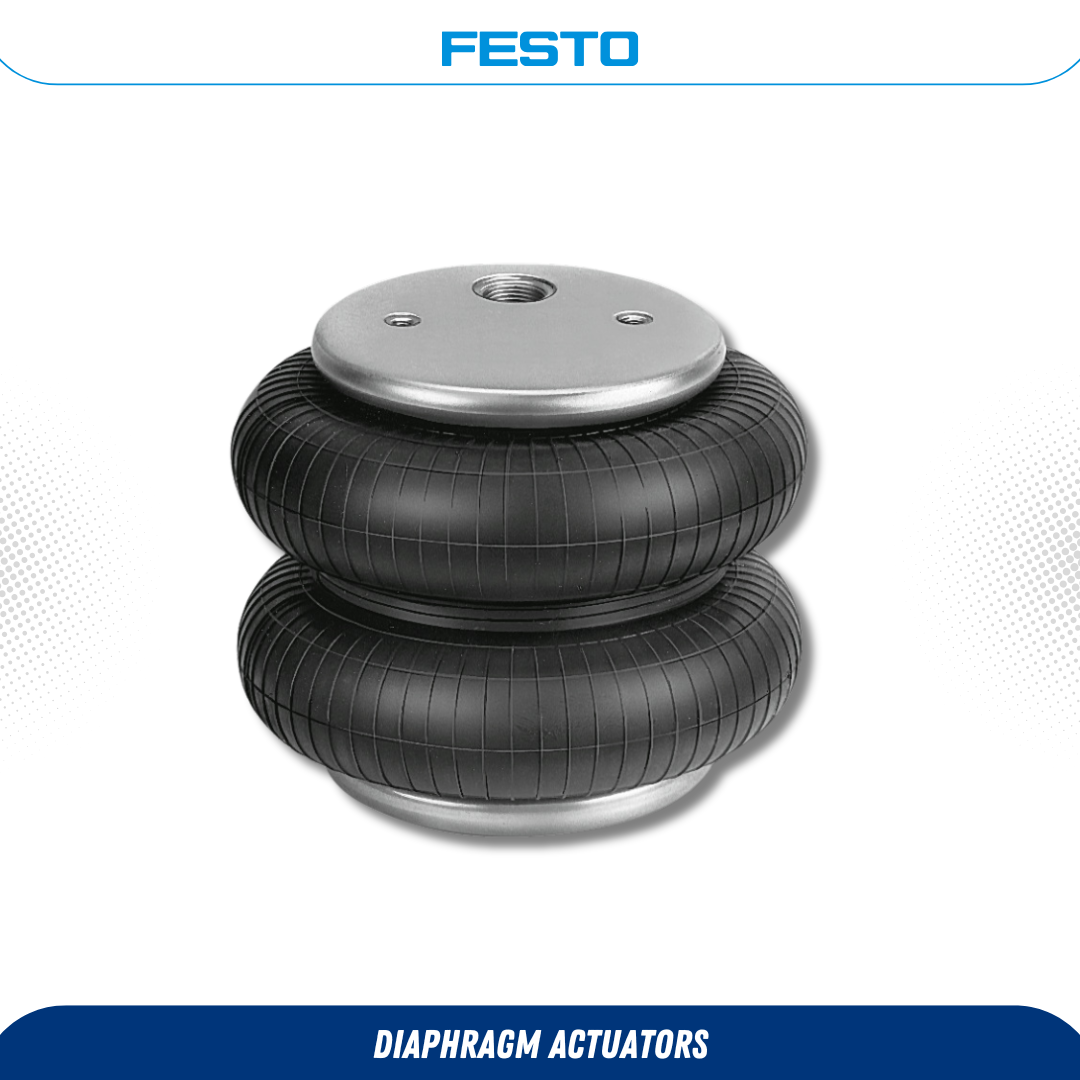
Festo Diaphragm Actuators are compact pneumatic drives desig...