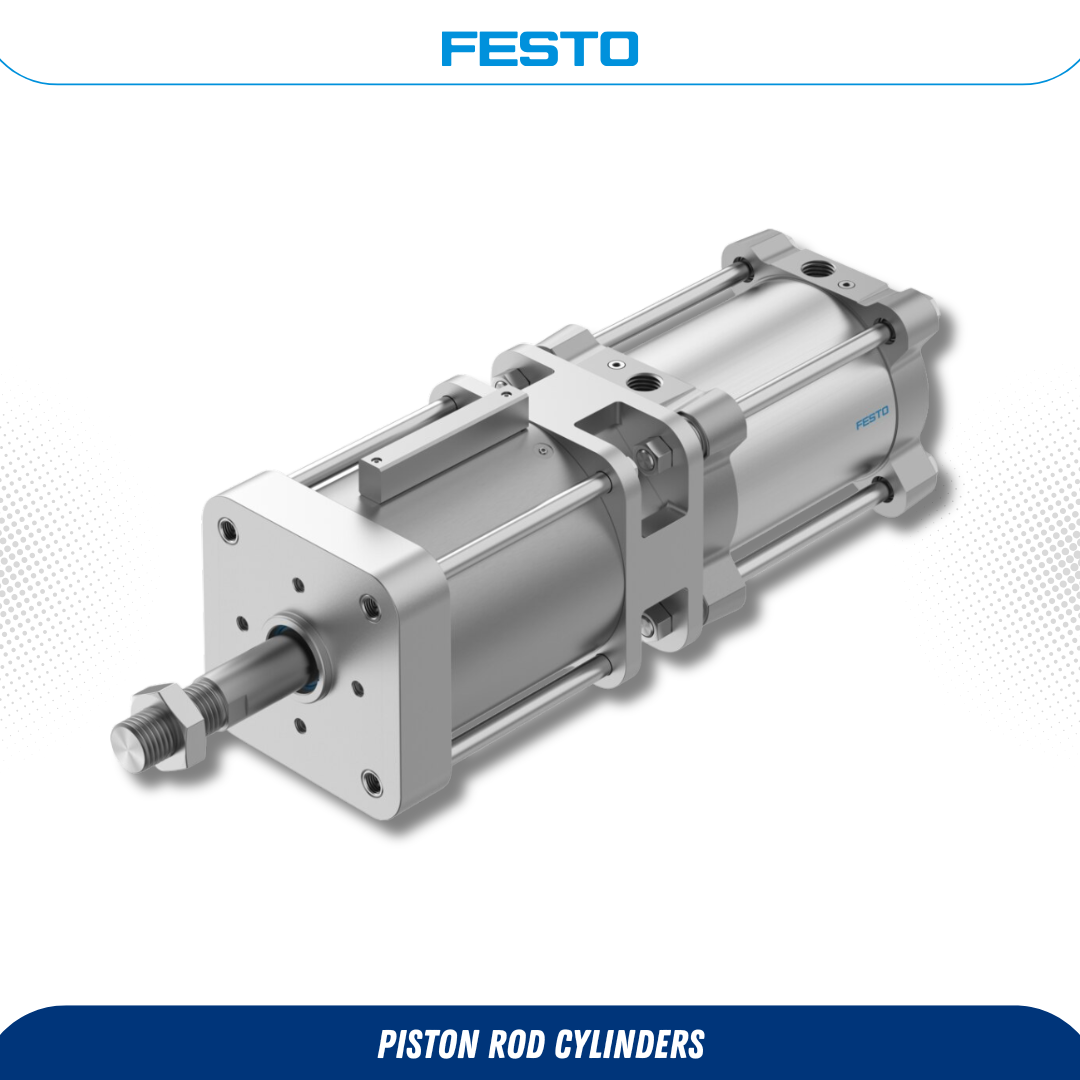
Piston Rod Cylinders
Festo piston rod cylinders are robust, high-precision pneuma...

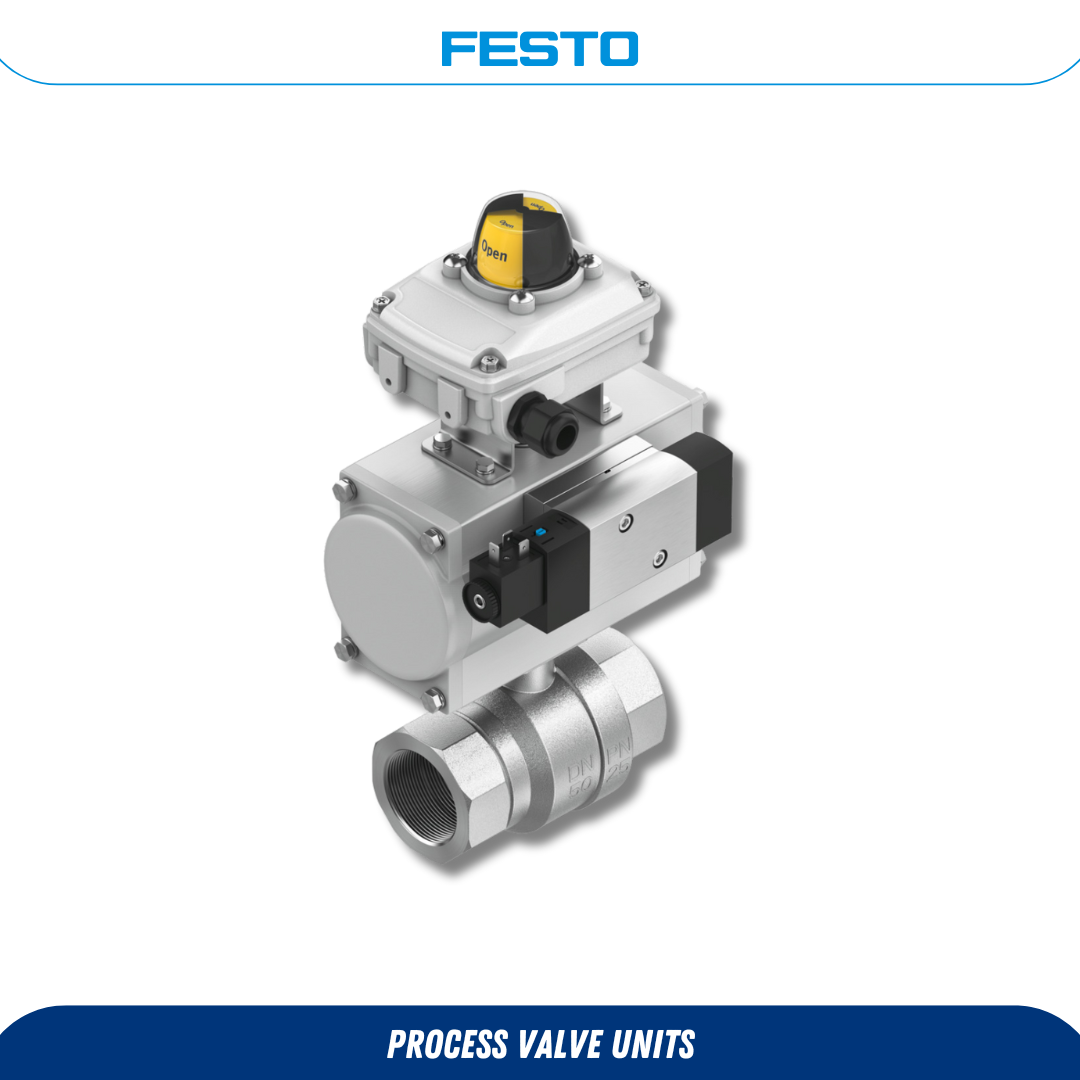
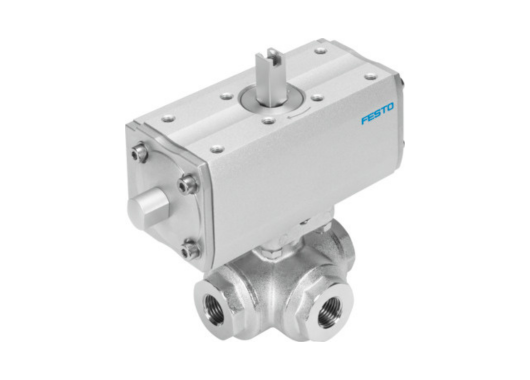
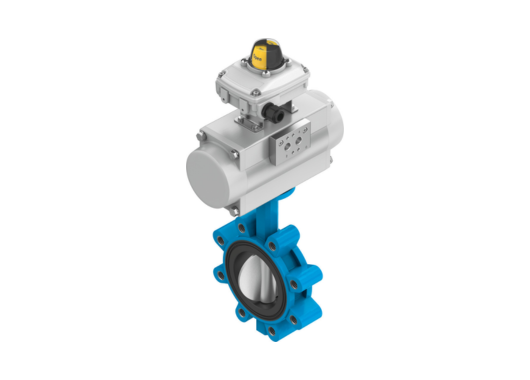
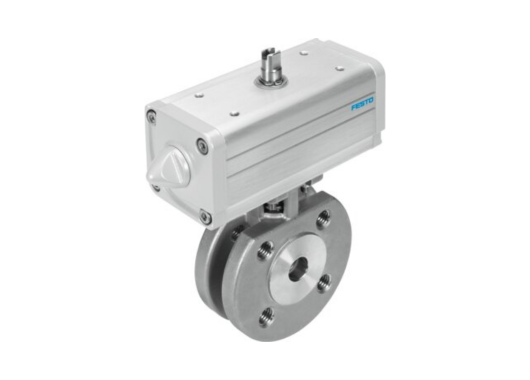
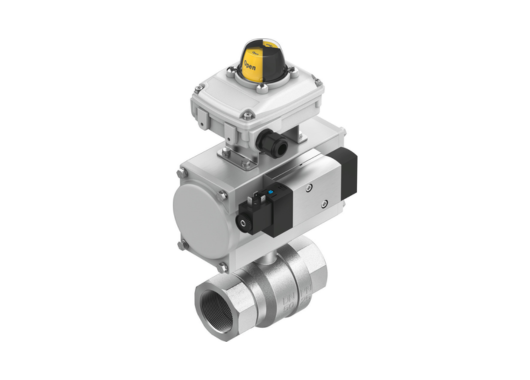
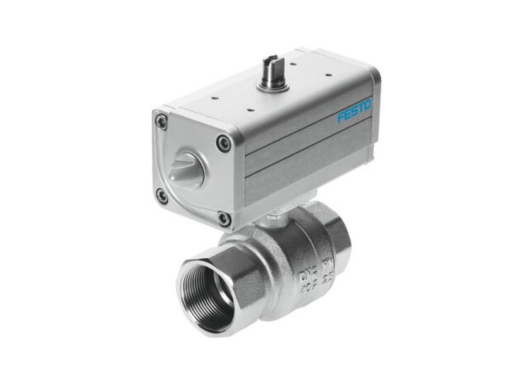
Festo process valve units integrate actuators, pilot valves, feedback modules, and sensor technology into a unified assembly engineered for controlling the flow of liquids, gases, or steam. These units are designed to simplify installation, ensure repeatability, and deliver high stability under demanding process conditions.
Built around standardized process interfaces, the units offer modularity, corrosion resistance, and easy maintainability—making them suitable for hygienic environments, continuous operation, and decentralized automation setups.
⭐ Important: Process valve units provide complete modular control, high reliability, and seamless integration with automated process systems, significantly reducing installation and maintenance effort.
Festo process valve units function by combining a process valve (such as a butterfly or ball valve) with a pneumatic or electric actuator, plus optional pilot valves, position feedback sensors, and control terminals.
This creates a full plug-and-play assembly for regulating liquid or gas flow.
Key functional elements may include:
• Pneumatic quarter-turn actuators
• Electric control terminals
• Pilot valves for switching
• Position feedback (open/close indicators or continuous sensing)
• Stainless-steel or corrosion-resistant valve bodies
• Manual override and safety shut-off options
The units ensure precise opening and closing, rapid response, and excellent media compatibility across a wide variety of industrial fluids.
⭐ Important: Integrated sensing and pilot control ensure consistent, automated switching with high repeatability and low air consumption.
(Applied to the functional coverage of process valve configurations)
Comprehensive performance coverage across multiple valve families—ball valves, butterfly valves, angle-seat valves, and shut-off valves.
Engineered to deliver stable flow control, reliable switching cycles, and durable operation even under pressure fluctuations or continuous media exposure.
Designed to maintain operational capability regardless of pipe size, medium type, or mounting orientation.
(Translated as: actuator sizes, valve types, build variants)
Multiple configuration choices for adapting the valve unit to different processing requirements:
• Quarter-turn or linear actuators
• Ball valves, butterfly valves, or angle-seat valves
• Stainless steel, brass, or polymer valve bodies
• On/off or proportional control
• Pilot-controlled or electrically actuated switching
• Optional feedback modules for digital or analog monitoring
Additional options include:
• High-temperature variants
• Hygienic/wash-down compatible housings
• ATEX-compliant versions
• Manual override mechanisms
• Communication modules for fieldbus integration
⭐ Important: Multiple valve and actuator combinations ensure optimal performance for high-pressure, hygienic, and corrosive media applications.
Actuator and valve components are designed to operate in synchronized motion, ensuring consistent and accurate switching across thousands of cycles.
Optional guided motion and sensor feedback increase precision, allowing the unit to maintain exact positioning even in vibration-prone or high-flow environments.
Ensures stable performance and repeatable process control over long operational periods.
• Reliable opening/closing under varying pressures and media types
• Reduced installation effort due to fully integrated components
• Long service life with minimal maintenance
• Corrosion-resistant materials suitable for harsh and hygienic environments
• Accurate position monitoring for consistent process quality
• Modular design supports easy replacement and upgrades
Applications: Food and beverage systems, water and wastewater plants, chemical dosing units, process skids, steam control, mixing lines, and general industrial fluid handling.
Parameter | Process Valve Unit (General Purpose) | Advanced / Automated Process Valve Unit |
|---|---|---|
| Product Type | Integrated process valve with actuator | Process valve with actuator + control module |
| Valve Type Options | Ball, butterfly, or angle-seat | Same, with advanced feedback/sensing |
| Actuation Method | Pneumatic quarter-turn or linear | Pneumatic or electric actuation |
| Switching Function | Open/close (on/off) | On/off or proportional control |
| Typical Port Sizes | DN15 – DN100 (model dependent) | Same, including larger DN options |
| Housing / Body Materials | Stainless steel, brass, polymer | Stainless steel or chemical-resistant alloys |
| Operating Pressure Range | Medium to high (varies by valve type) | Same; optimized for process automation |
| Temperature Capability | Suitable for cold/hot liquids and gases | High-temperature variants available |
| Feedback Options | Mechanical position indicator | Electric feedback sensors / analog modules |
| Control Interface | Manual or pneumatic pilot control | Electrical terminals, fieldbus, IO-Link |
| Sealing Materials | Media-compatible elastomers | Food-grade, chemical-resistant options |
| Mounting Variants | ISO process interfaces, flanged | Same, plus manifold or control panel integration |
| Typical Applications | General process flow control | Automated dosing, batching, mixing, CIP systems |
You may also like similar items from this category
Festo piston rod cylinders are robust, high-precision pneuma...
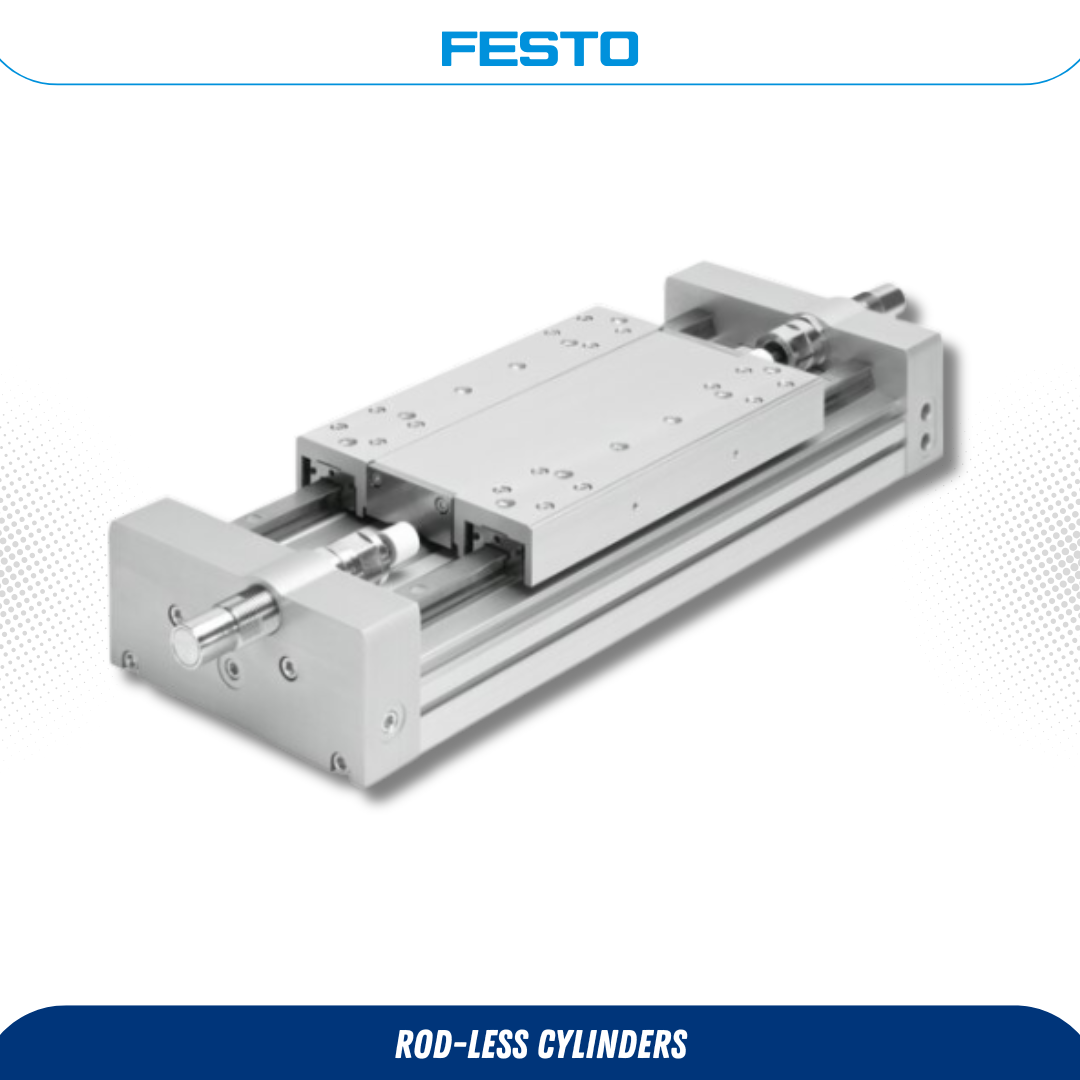
Festo Rodless Cylinders are compact, long-stroke pneumatic a...
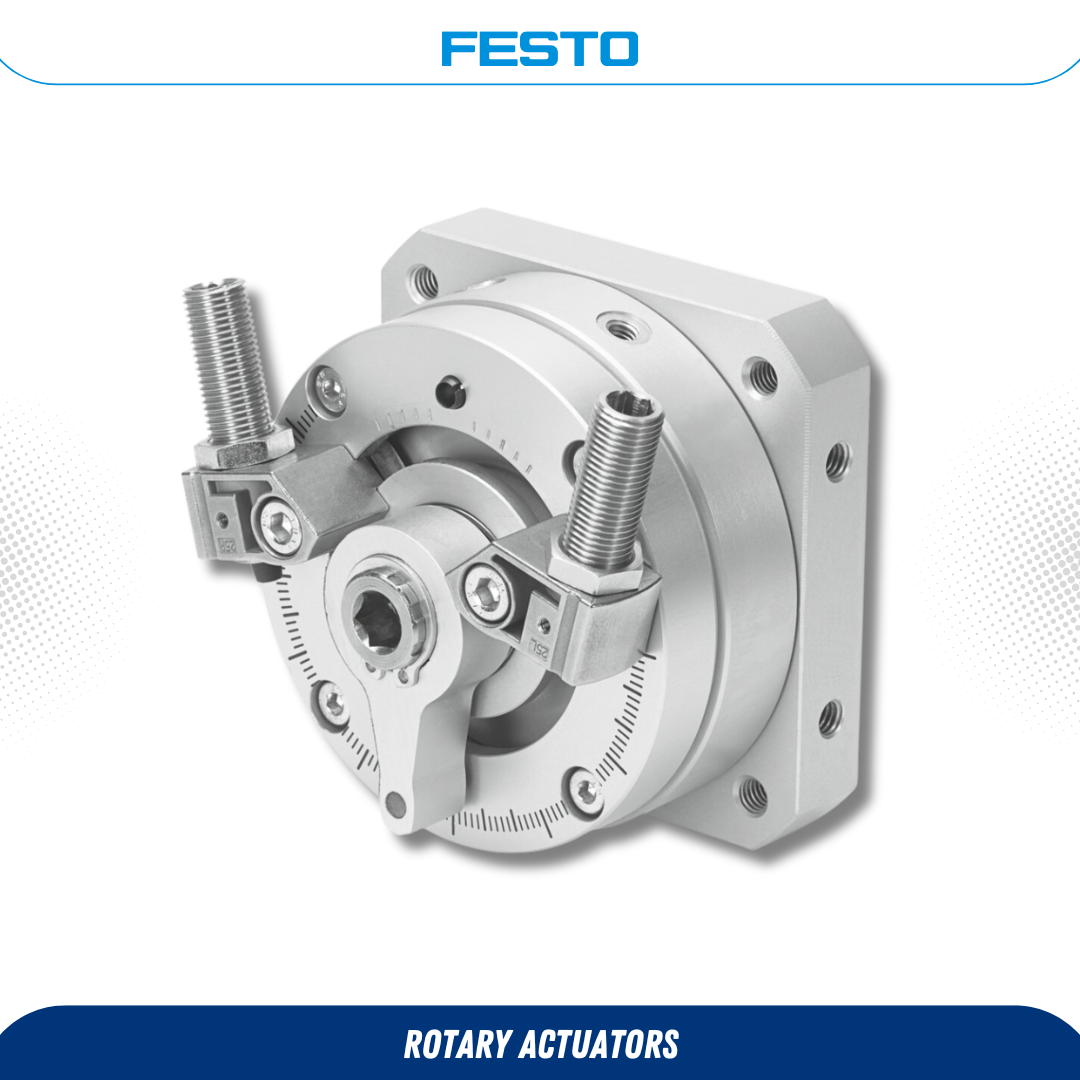
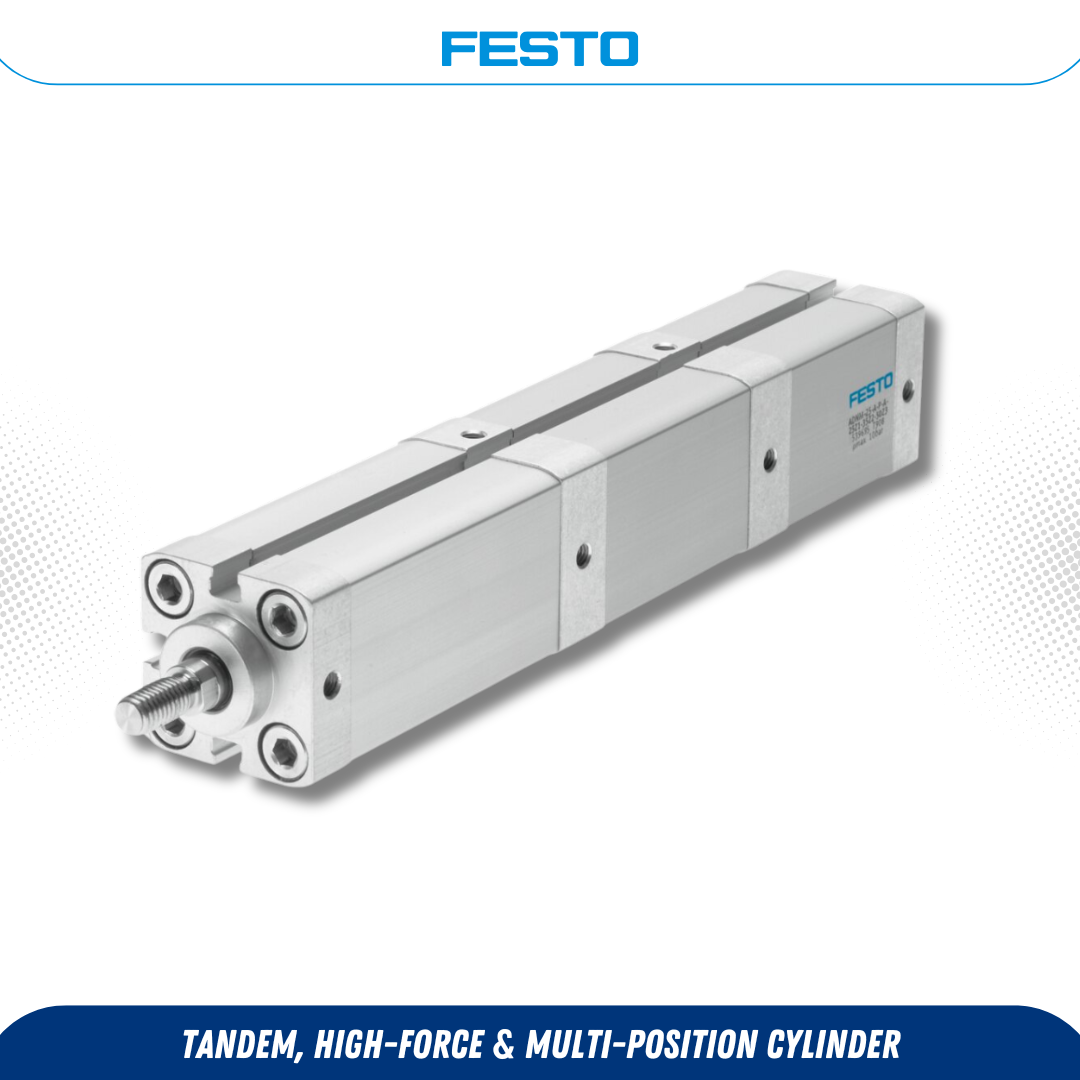
Festo tandem, high-force, and multi-position cylinders provi...
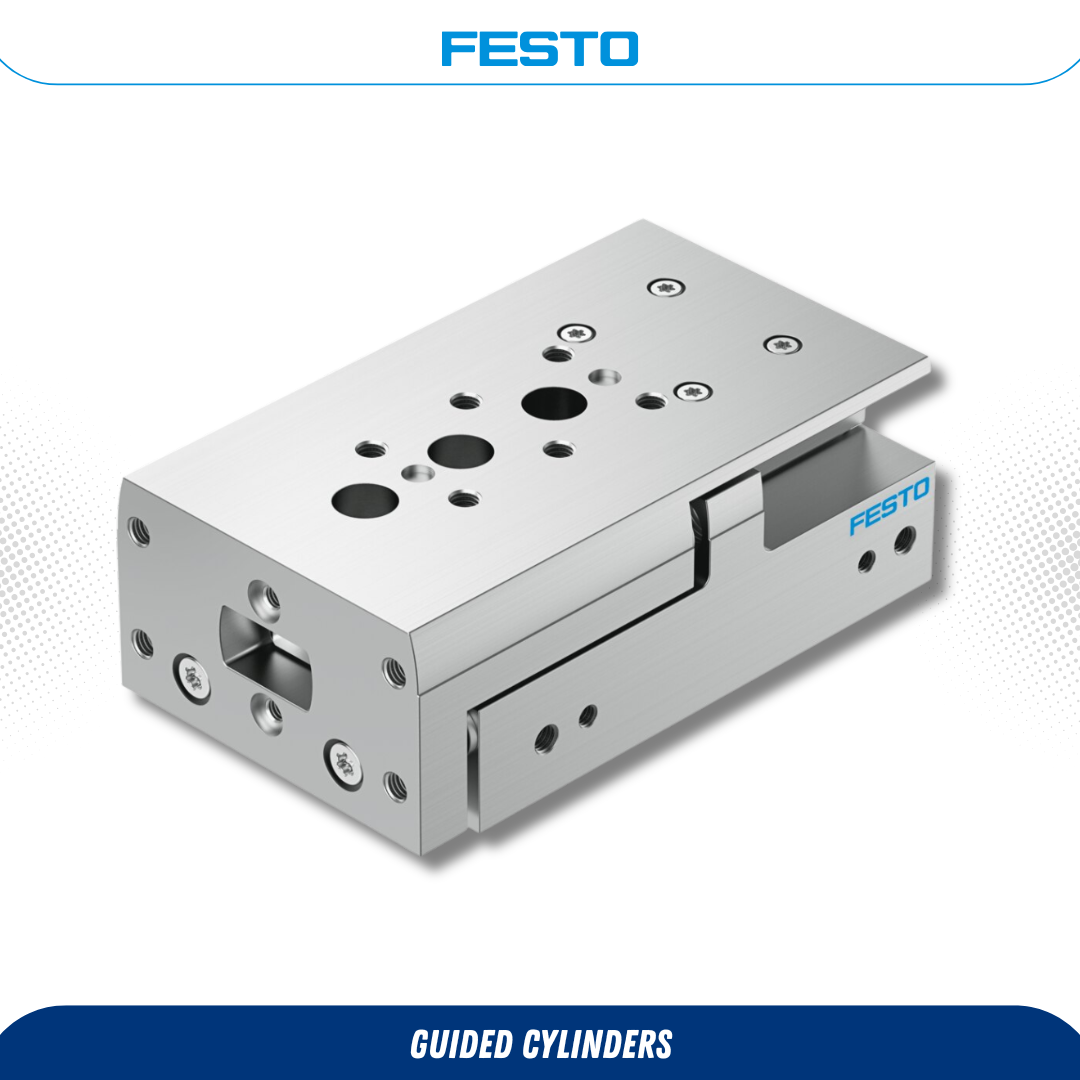
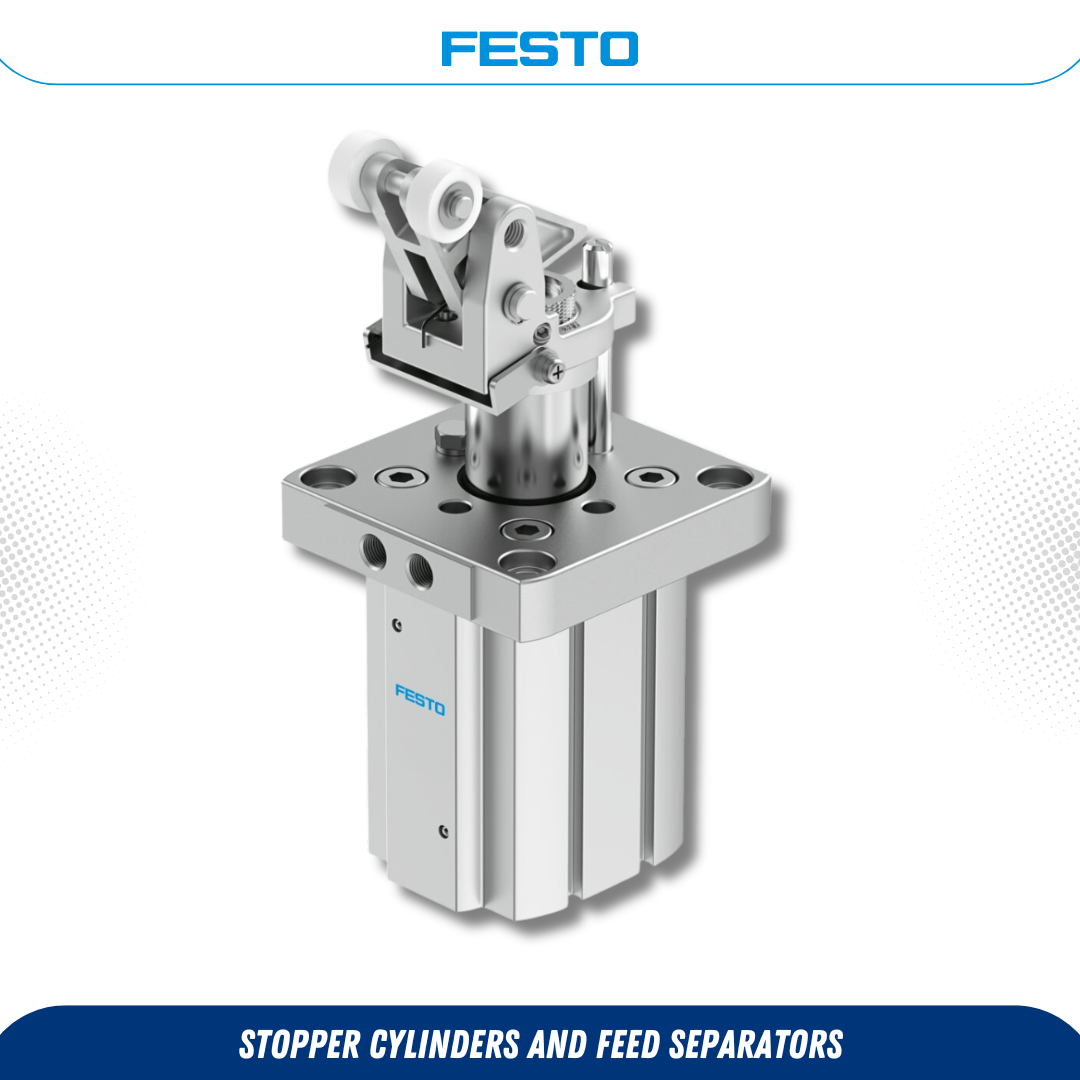
Festo Stopper Cylinders and Feed Separators are pneumatic un...
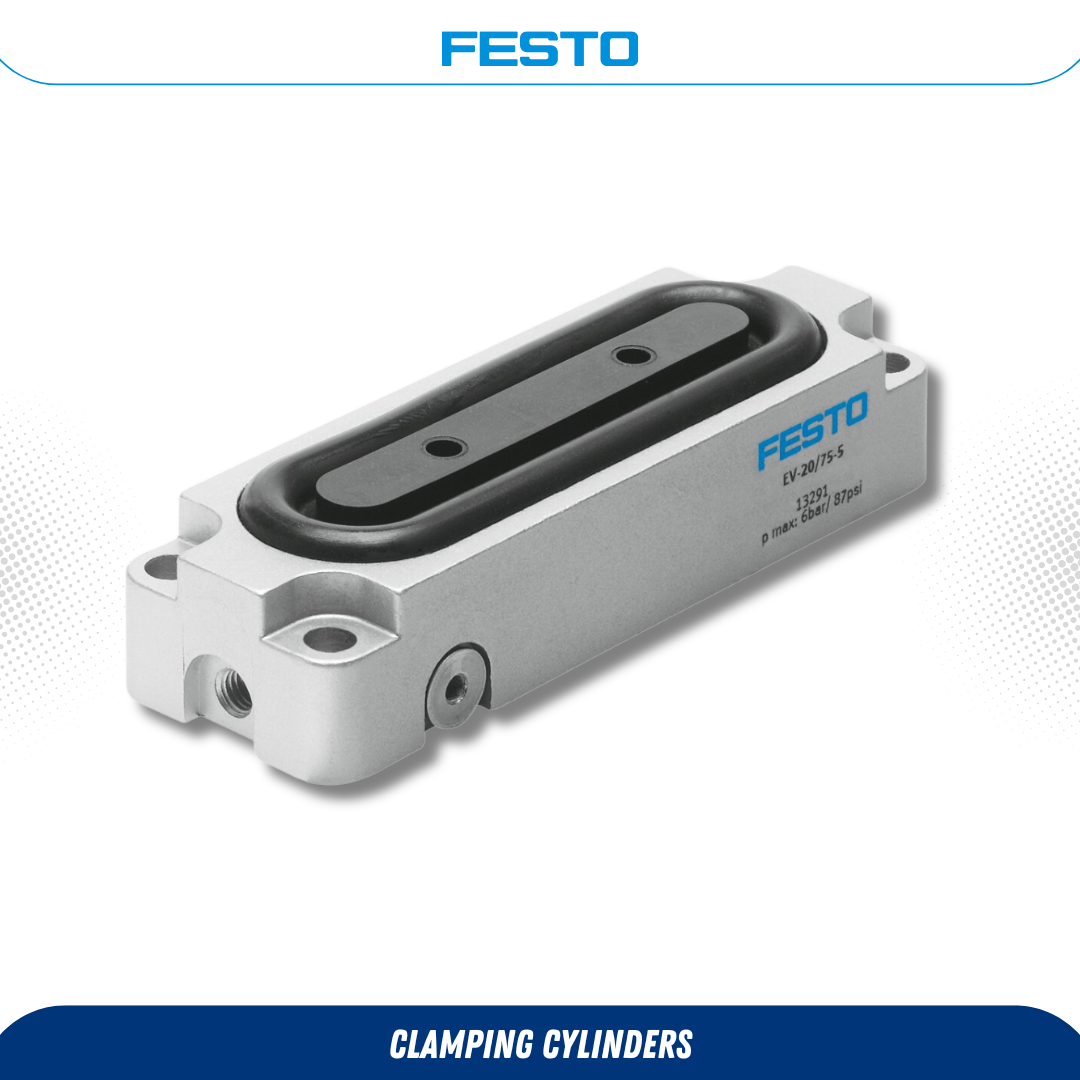
Festo Clamping Cylinders are specialized pneumatic actuators...
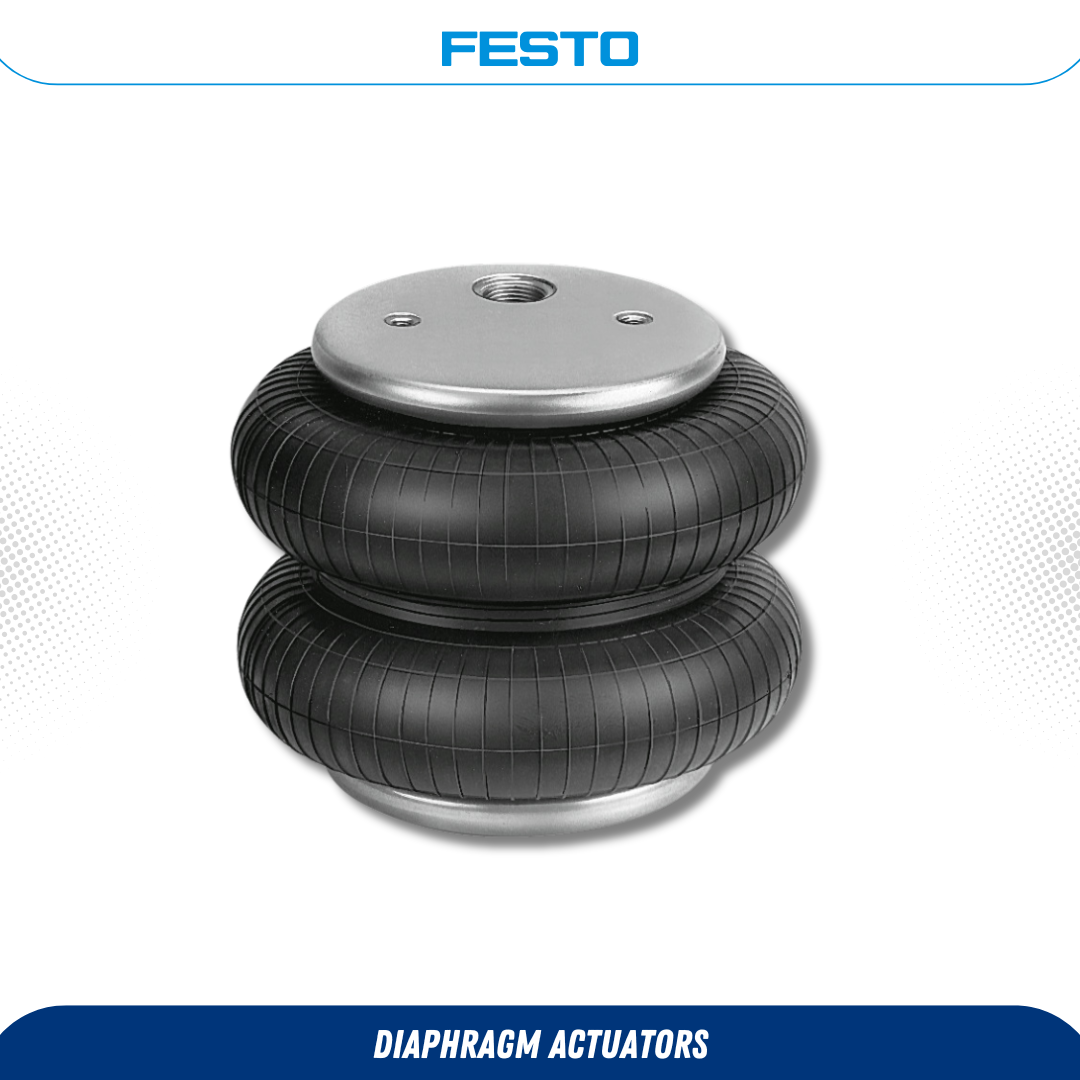
Festo Diaphragm Actuators are compact pneumatic drives desig...