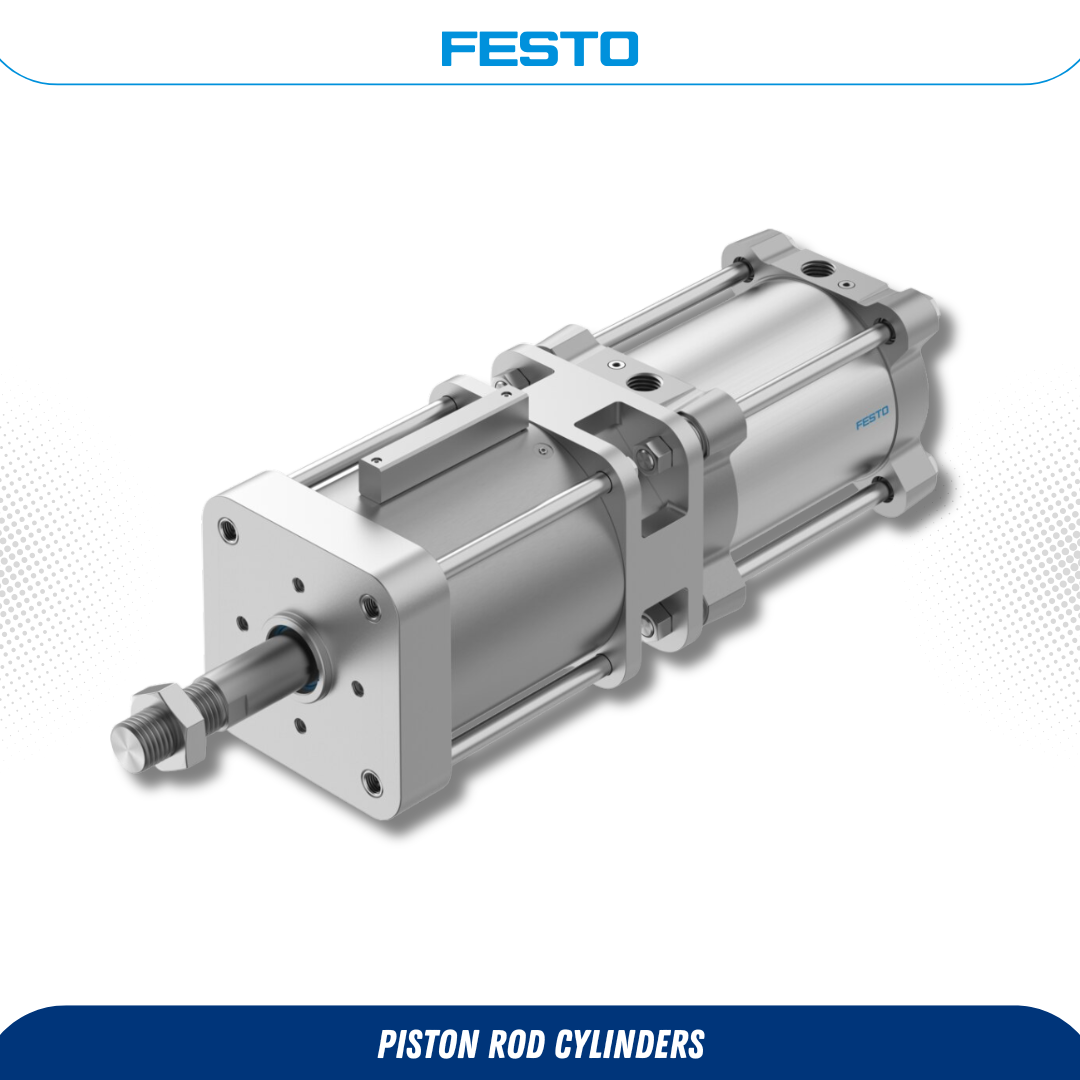
Piston Rod Cylinders
Festo piston rod cylinders are robust, high-precision pneuma...

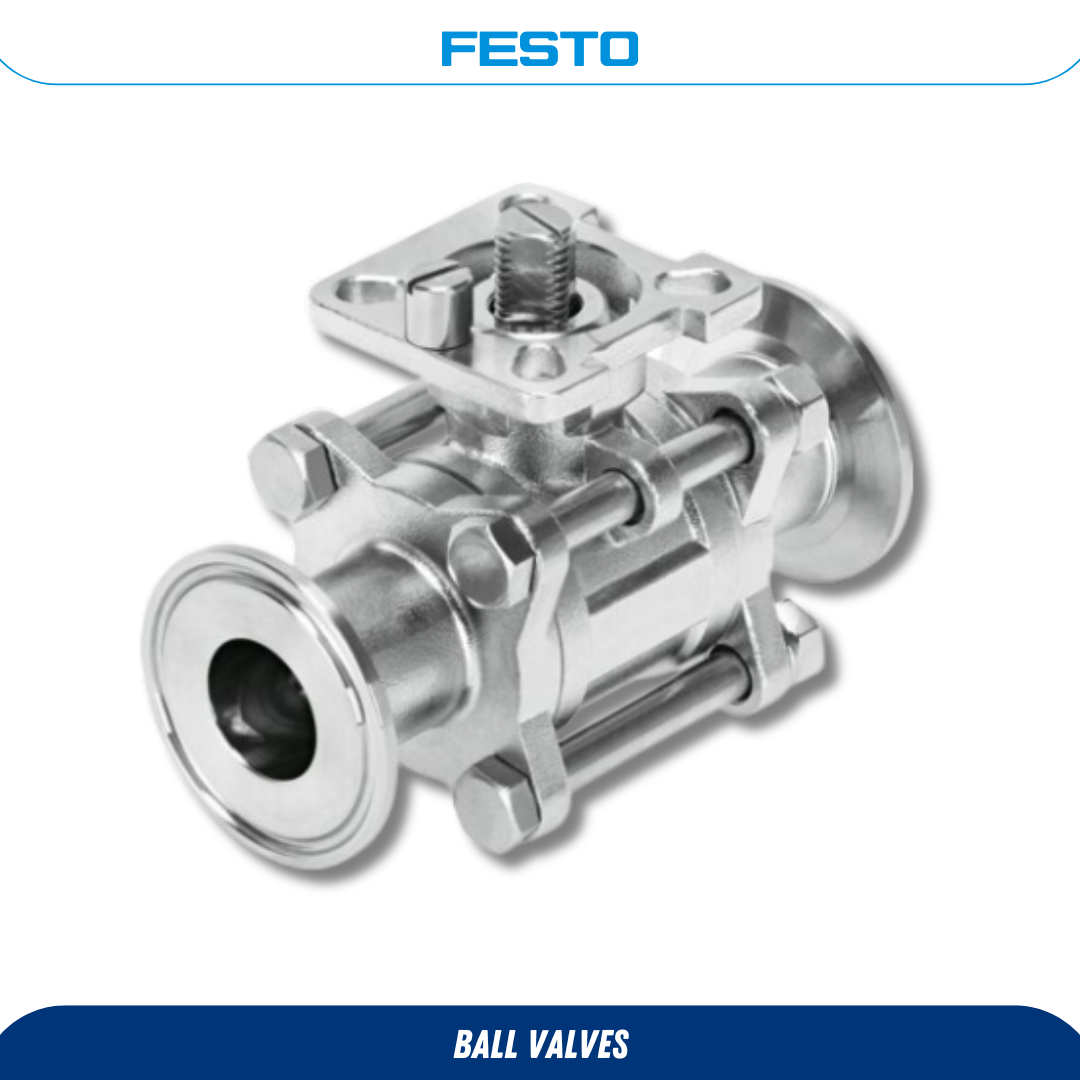
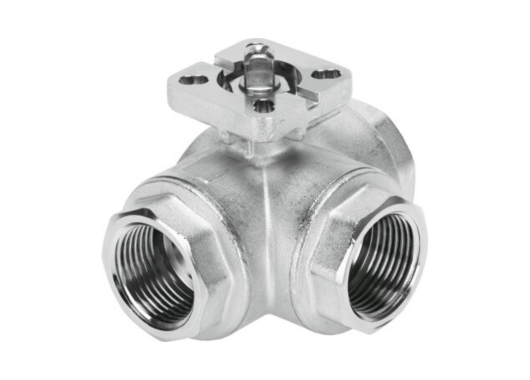
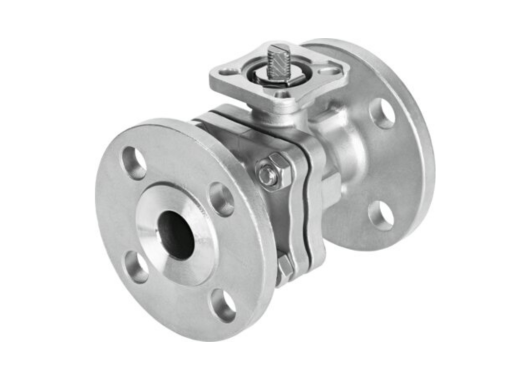
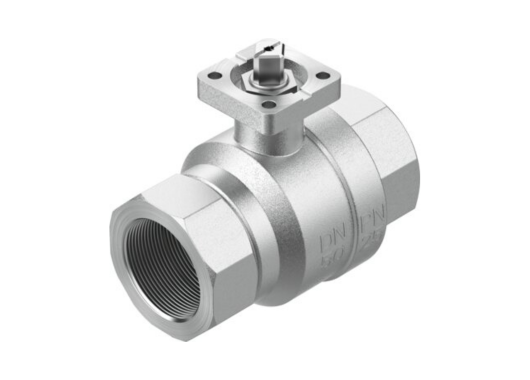
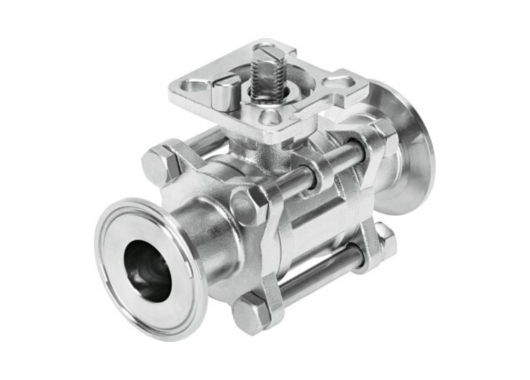
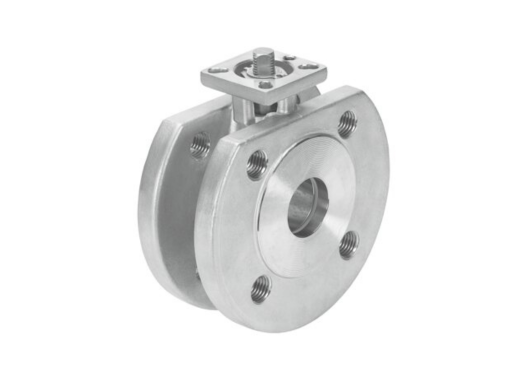
Festo ball valves enable precise control and switching of media by rotating a ball to seal the flow path. The sealing system is composed of the ball and one or more seat rings, making these valves reliable for a wide range of applications—from standard industrial automation to chemical or pharmaceutical processes.
These valves are designed for durability, high pressure ratings, and compatibility with various connection standards (pipe thread, welding ends, flanges) and materials (brass, stainless steel).
⭐ Important: Ball valves deliver robust sealing, very low leak-through, and quarter-turn operation — making them ideal for high-performance shut-off and media control in demanding installations.
Ball valves operate by rotating a hollow sphere (the ball) inside the valve body, aligning its bore with the flow (open) or rotating it perpendicular (closed). Thanks to this simple, effective mechanism they ensure reliable shut-off, fast actuation and minimal pressure drop.
Versions are available with:
• 2-way or 3-way flow paths (including L-hole or T-hole for 3-way)
• Manual operation or automation-ready (with actuators)
• Various connection standards: threaded, welding, flange, ISO 5211 mounting for actuator integration
• Different materials and sealing systems tuned to media, pressure and temperature demands.
⭐ Important: The availability of multiple connection types, 2-way/3-way variants, and material choices ensures the valve matches the exact requirements of your media, pressure and installation.
This indicates the broad range of ball valve families from Festo that cover 2-way manual, 2-way automated, 3-way L-hole/T-hole, welded/flanged versions, ensuring full coverage of standard industrial and process requirements.
The design ensures consistent flow control and stable performance for various media and operating conditions.
Translated into product terms: bore size, connection type, material, actuation method and nominal pressure.
Typical options include:
• Bore sizes from small (DN 8) up to large (DN 100+) depending on model.
• Pressure classes up to PN 63 bar for stainless steel versions.
• Sealing variants (PTFE, soft seating) and media compatibility (compressed air, inert gases, liquids)
⭐ Important: The wide selection of bore sizes, pressure classes and actuation styles allows optimized valve performance for both standard and demanding process applications.
The internal ball, stem, and sealing assembly are designed to work together for reliable quarter-turn motion, minimal residual play and consistent sealing performance cycle to cycle.
When automation is required, the valve can be mounted on ISO 5211 sub-bases or actuators to maintain alignment, registration and repeatability.
• Reliable, leak-tight shut-off for media control and isolation
• Quarter-turn actuation for fast switching and minimal wear
• Broad compatibility with materials (brass, stainless steel) and connection types for versatility
• Automated ready versions enable seamless integration into process systems
• Long service life and low maintenance due to simple design and robust components
Applications: Process plants (chemical, pharmaceutical, food & beverage), compressed air and inert gases, liquid control systems, machine tool utilities, shut-off and divert functions in pipelines.
Parameter | Specification (Typical Range) |
|---|---|
| Product Type | Ball valve, 2-way or 3-way flow path |
| Flow Path Configuration | 2/2-way (standard), 3/2-way (L-hole or T-hole) |
| Connection Standards | Pipe thread (EN 10226-1), Welding ends (EN 12627), Flanges (EN 1092-1) |
| Nominal Pressure (PN) | Up to 63 bar in stainless steel versions |
| Bore / Nominal Width (DN) | DN 8 up to DN 100+ depending on model |
| Flow Rate (Kv) | 7 … 1414 m³/h for 2-way stainless steel series |
| Temperature Range | Typically –10 … +200 °C for stainless steel series |
| Materials | Housing: high-alloy stainless steel 1.4408 or brass; Ball: stainless steel or chrome-plated brass; Seals: PTFE or reinforced PTFE |
| Mounting Position | Any (in-line installation) |
| Actuation Options | Manual lever or automation-ready with actuators (pneumatic, electric) |
| Corrosion Resistance Class (CRC) | CRC 3 for high corrosion stress outdoor exposure (in stainless steel series) |
You may also like similar items from this category
Festo piston rod cylinders are robust, high-precision pneuma...
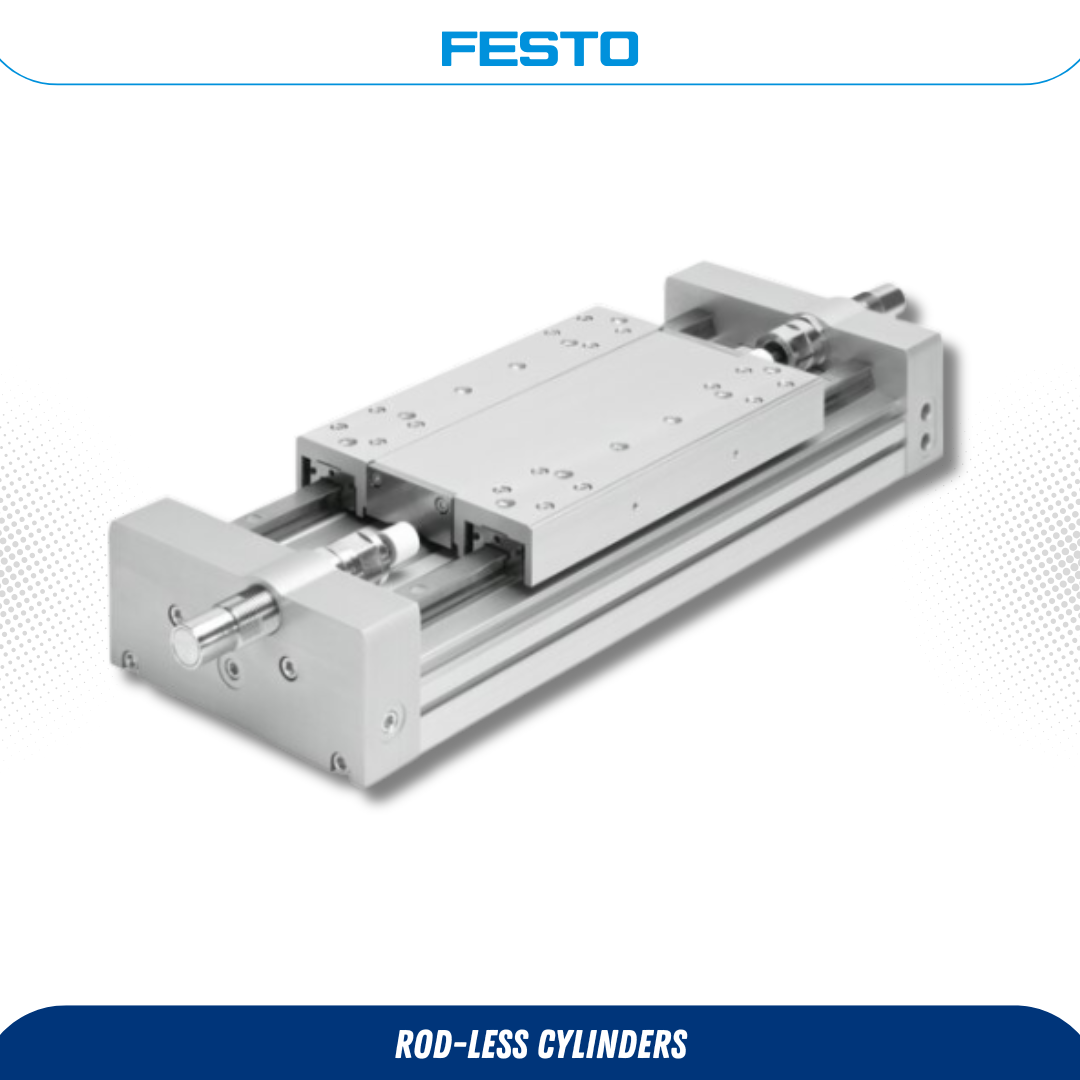
Festo Rodless Cylinders are compact, long-stroke pneumatic a...
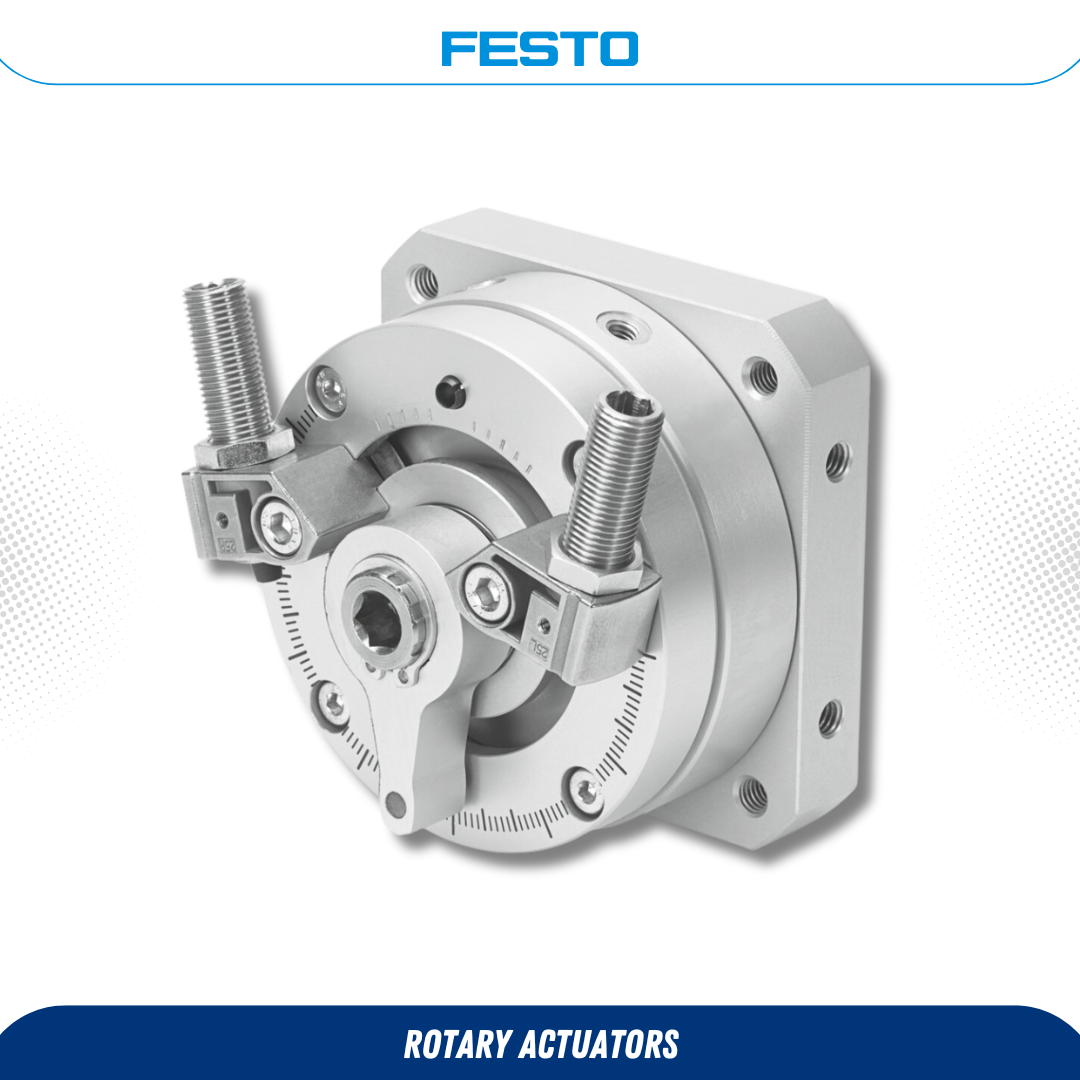
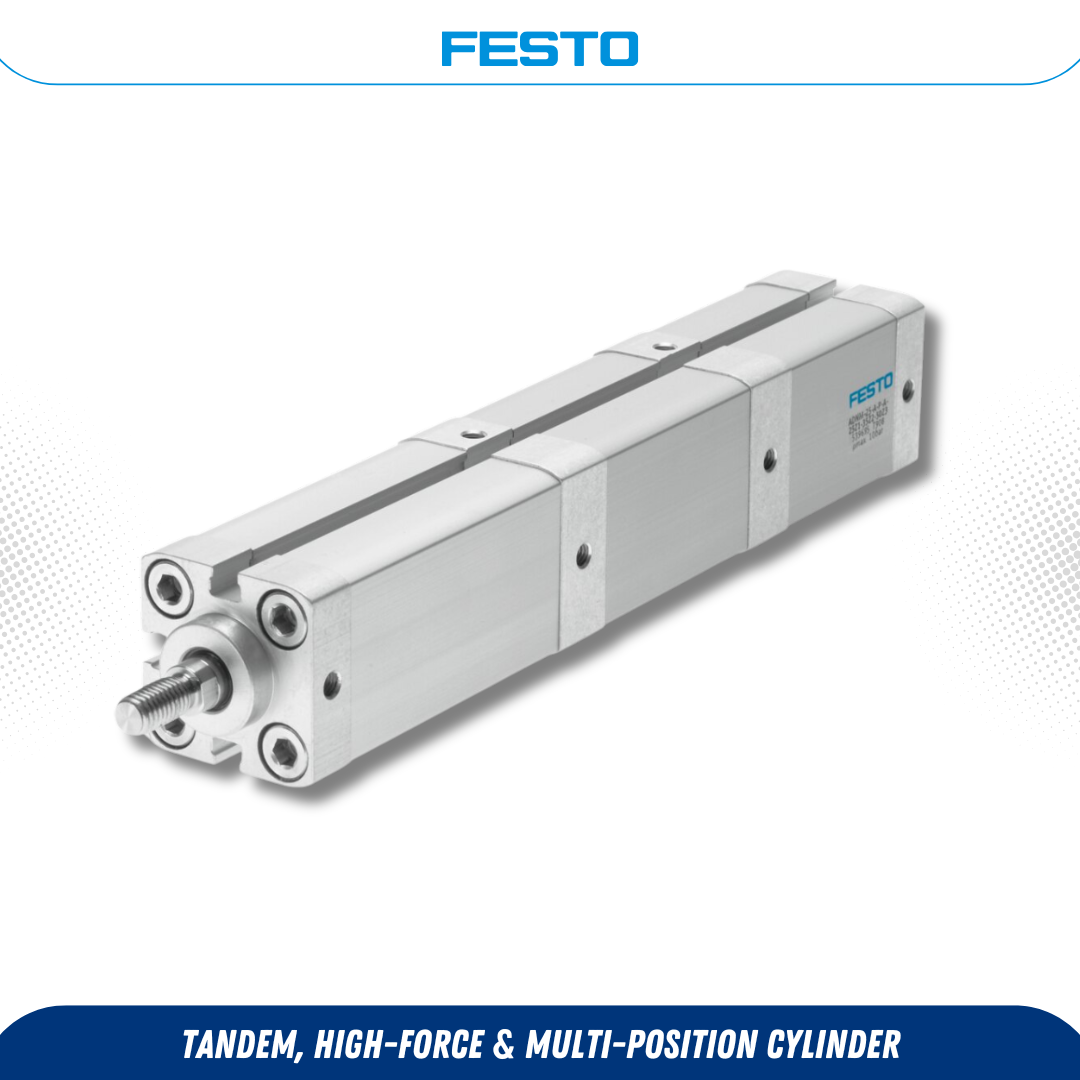
Festo tandem, high-force, and multi-position cylinders provi...
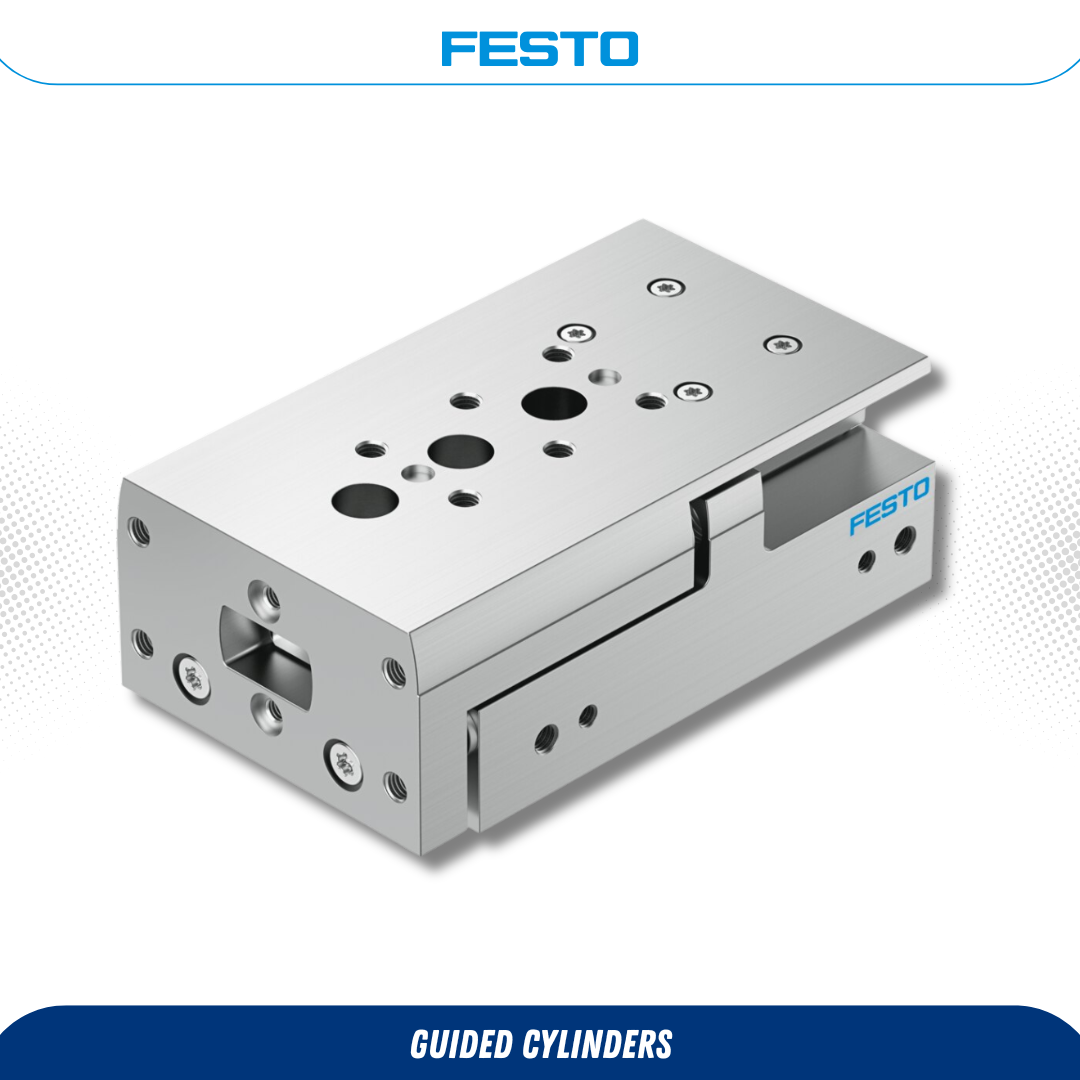
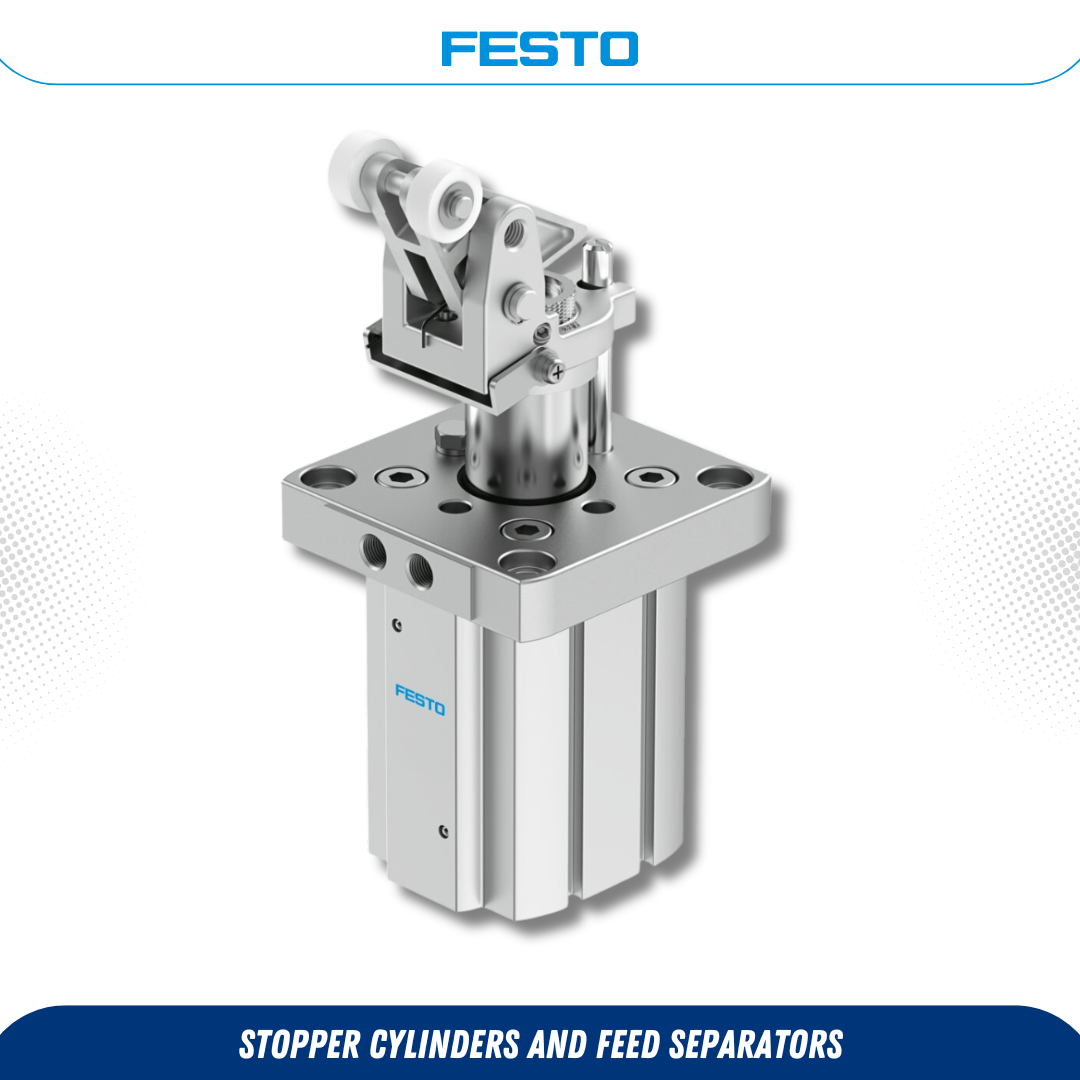
Festo Stopper Cylinders and Feed Separators are pneumatic un...
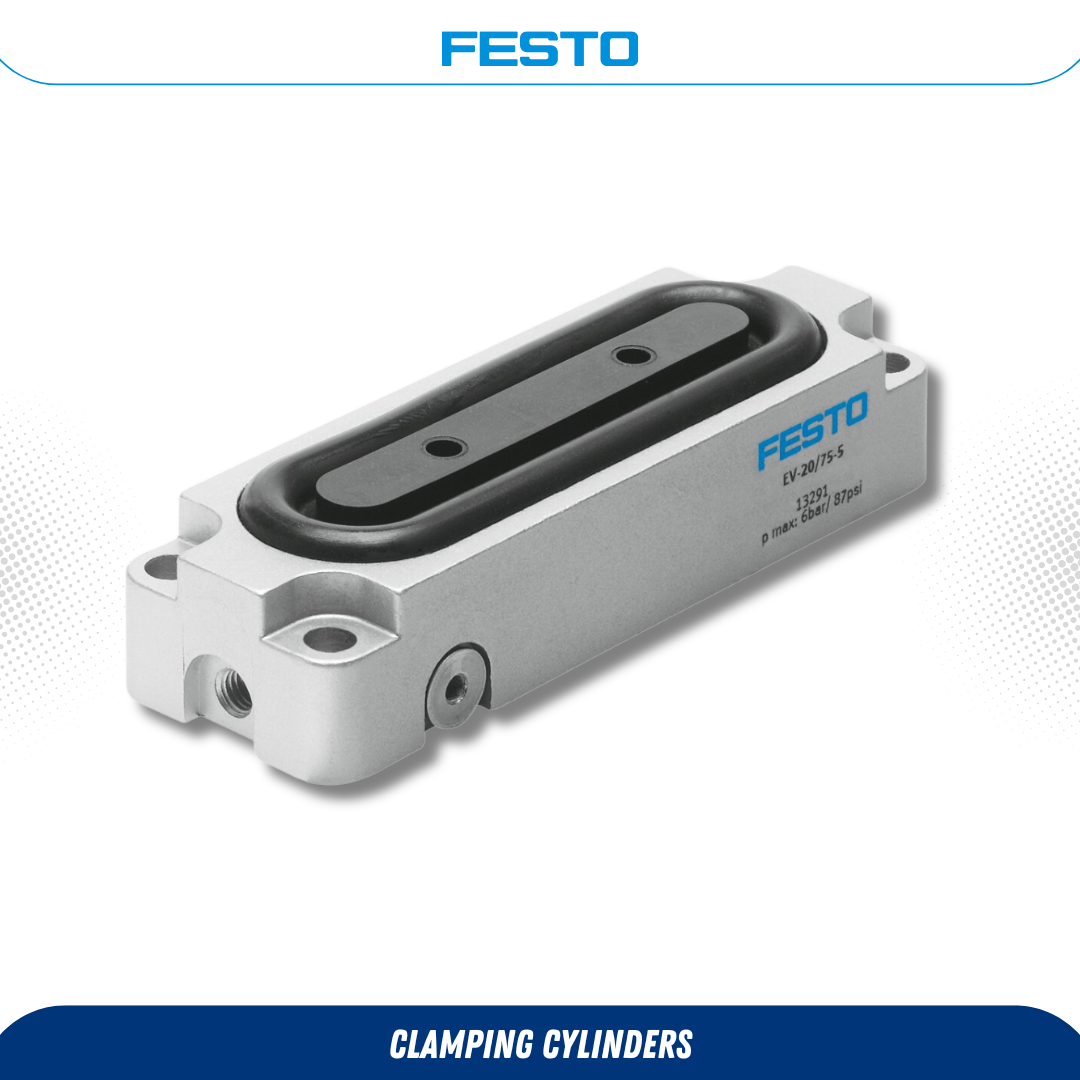
Festo Clamping Cylinders are specialized pneumatic actuators...
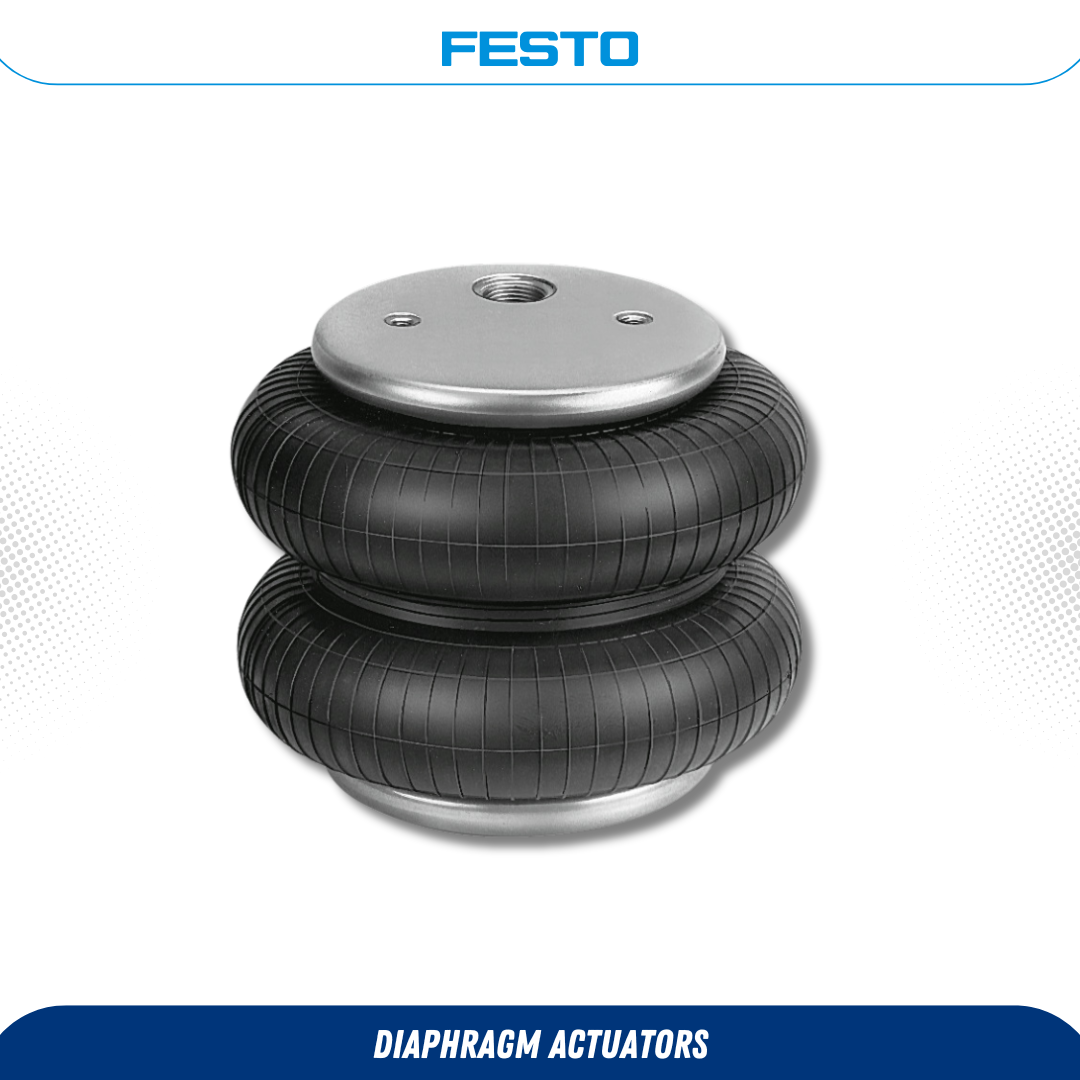
Festo Diaphragm Actuators are compact pneumatic drives desig...